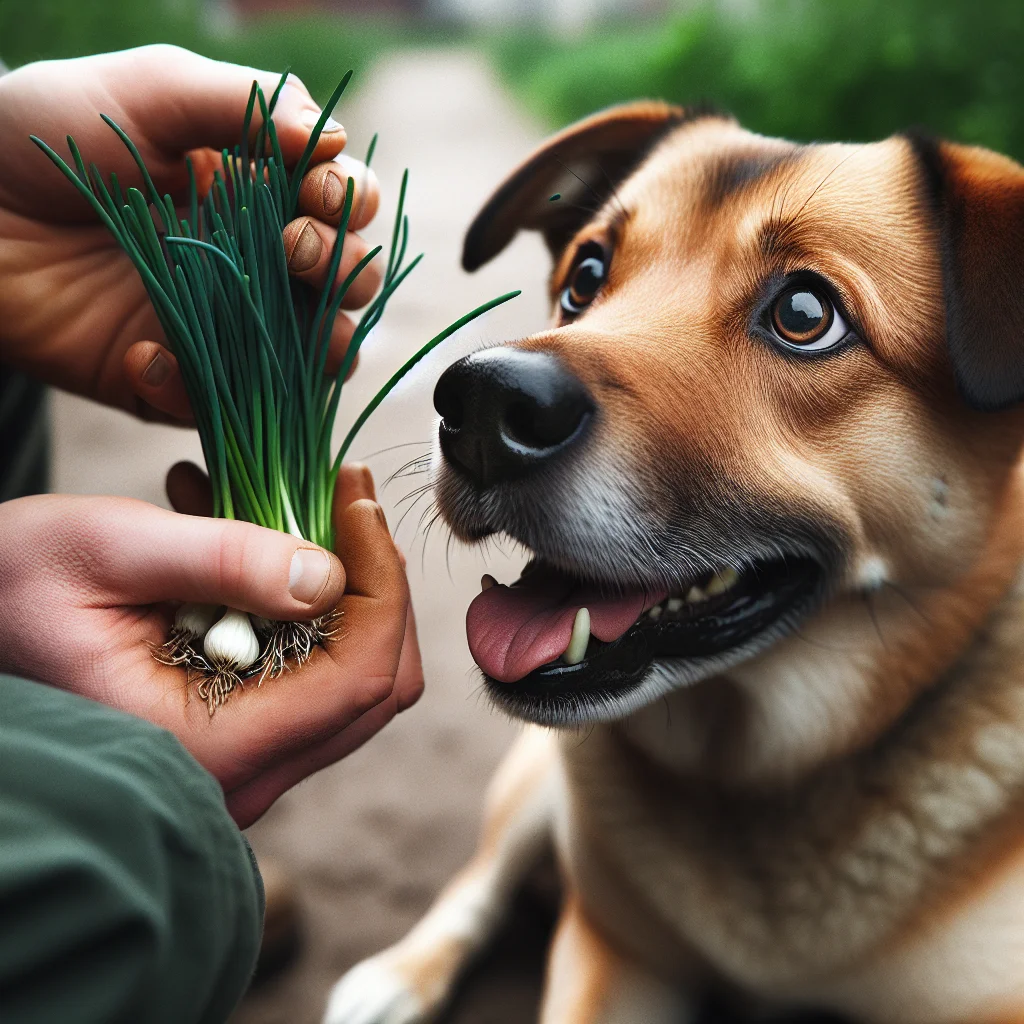
If you suspect your pet has ingested this food, do not wait for symptoms. Contact your veterinarian immediately.
Toxic. Chives, known in the scientific community as Allium schoenoprasum, contain sulfur compounds called thiosulfates, which are highly toxic to dogs. These compounds can cause oxidative damage to red blood cells, leading to hemolytic anemia, a condition where the body destroys red blood cells faster than it can produce them. This introduction will guide you through understanding the risks associated with chives for your beloved pet and how to handle potential exposure.
Why are chives dangerous for dogs?
Chives belong to the Allium family, which also includes onions, garlic, and leeks. The primary cause of their toxicity is thiosulfates, which are indigestible for dogs. When ingested, these compounds can lead to oxidative damage to a dog's red blood cells, causing them to rupture. This condition is known as hemolytic anemia. Unlike humans, dogs lack the specific enzyme needed to break down these sulfur compounds, making them particularly susceptible to their harmful effects. Even small amounts of chives can lead to severe health issues, so it's crucial to keep this herb away from your canine companions.
What are the symptoms of chive poisoning in dogs?
If your dog ingests chives, symptoms may not appear immediately. It might take several hours or even days for signs to manifest. Common symptoms include vomiting, diarrhea, and signs of gastrointestinal distress. As the condition progresses, your dog may exhibit lethargy, weakness, and pale gums due to anemia. In severe cases, you might notice rapid breathing or an increased heart rate. If you observe any of these symptoms, it is essential to contact your veterinarian immediately for a professional evaluation and appropriate treatment.
How much chive is toxic to dogs?
The toxicity level of chives depends on the amount consumed and the size of the dog. Generally, even a small amount can be dangerous, especially for small breeds. For example, a few grams of chives can cause serious harm to a small dog, while larger breeds might tolerate a slightly higher amount before showing symptoms. However, it is always best to err on the side of caution and avoid feeding chives to dogs altogether. If you suspect your dog has ingested chives, monitor them closely and consult with a veterinarian immediately.
What should I do if my dog eats chives?
If you suspect that your dog has ingested chives, act quickly. First, try to determine how much your dog has eaten. Do not attempt to induce vomiting unless instructed by a veterinarian, as this can sometimes cause more harm than good. Contact your veterinarian or an emergency animal clinic right away for guidance. Your vet may recommend bringing your dog in for observation and treatment, which could include inducing vomiting, administering activated charcoal to prevent further absorption of toxins, or providing supportive care such as IV fluids and oxygen therapy.
Are there any safe alternatives to chives for dogs?
If you're looking to add flavor to your dog's meals, consider safe alternatives like carrots, peas, or plain cooked pumpkin. These options not only enhance the taste but also provide nutritional benefits without the risk of toxicity. Always ensure that new foods are introduced gradually and in moderation. Consult with your veterinarian before making significant changes to your dog's diet, especially if they have pre-existing health conditions. By choosing safe alternatives, you can keep your furry friend happy and healthy without compromising their well-being.
Toxicity Levels
| Type | Amount | Risk |
|---|---|---|
| Chives (fresh) | 1-2 grams | High |
| Chives (dried) | 0.5-1 gram | High |
| Chive Powder | Less than 0.5 gram | High |
| Chive Infused Oil | Few drops | Moderate |
| Chive Extract | 1-2 ml | Moderate |
Symptoms to Watch For
- Vomiting
- Diarrhea
- Lethargy
- Pale Gums
- Rapid Breathing
Frequently Asked Questions
Can a small amount of chives be safe for dogs?
How long does it take for symptoms of chive poisoning to appear in dogs?
What immediate actions should I take if my dog eats chives?
Are all members of the Allium family dangerous for dogs?
Can chive poisoning in dogs be treated?