
If you suspect your pet has ingested this food, do not wait for symptoms. Contact your veterinarian immediately.
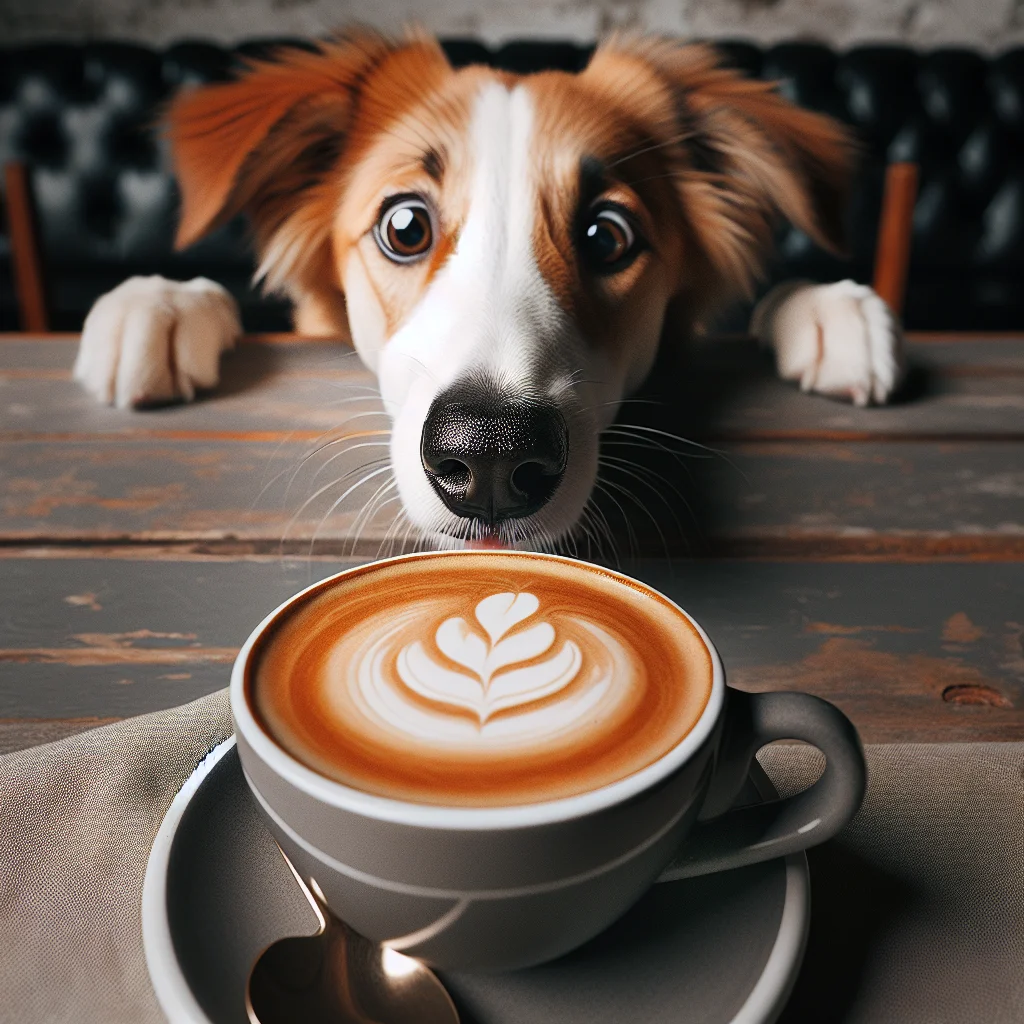
Latte is not safe for dogs, mainly due to its caffeine and dairy content. Caffeine, found in coffee, is a potent stimulant that can cause significant adverse effects in dogs, including restlessness, increased heart rate, and even more severe symptoms like seizures. Additionally, the lactose in milk can lead to digestive upset in dogs, particularly those that are lactose intolerant. Understanding these risks is crucial for dog owners who want to ensure the safety of their beloved pets.
What Happens If a Dog Drinks Latte?
If a dog consumes latte, the combination of caffeine and dairy can lead to a range of symptoms. Caffeine stimulates the central nervous system, causing symptoms like restlessness, rapid breathing, and heart palpitations. In severe cases, caffeine ingestion can lead to seizures or cardiac arrest. The milk in lattes can also cause gastrointestinal issues such as diarrhea and vomiting, especially in lactose-intolerant dogs. It's essential to monitor your dog closely if they accidentally ingest latte and seek veterinary attention if symptoms occur.
How Much Latte is Dangerous for Dogs?
The caffeine content in a latte is the primary concern. Even small amounts of caffeine, equivalent to just a few sips of a latte, can be dangerous for dogs, especially smaller breeds. The risk increases with the quantity of latte consumed. It's also important to consider the milk content, which can exacerbate symptoms in dogs with lactose intolerance. To ensure your dog's safety, it's best to avoid sharing any caffeinated beverages, including lattes, with your pet.
What Are the Symptoms of Caffeine Poisoning in Dogs?
Symptoms of caffeine poisoning in dogs can appear within hours of ingestion. Common signs include restlessness, hyperactivity, panting, and a racing heart. Dogs may also exhibit muscle tremors or seizures in severe cases. Additionally, gastrointestinal symptoms like vomiting and diarrhea may occur. If you suspect your dog has ingested a caffeinated beverage like a latte, it is crucial to contact a veterinarian immediately for advice and potential treatment.
How Can I Prevent My Dog from Drinking Latte?
Prevention is key when it comes to protecting your dog from the risks associated with latte consumption. Ensure that all caffeinated beverages are kept out of reach of your pet. Educate family members and guests about the dangers of feeding dogs human beverages like lattes. Furthermore, consider offering your dog safe alternatives, such as specially formulated dog-friendly drinks, to satisfy their curiosity without risking their health.
Are There Any Safe Alternatives to Latte for Dogs?
While traditional lattes are not suitable for dogs, there are safe alternatives that can be enjoyed by your pet. Consider offering your dog herbal teas or specially formulated pet beverages that mimic the coffee experience without harmful ingredients. These products are caffeine-free and often designed to be gentle on a dog's digestive system. Always check with your veterinarian before introducing new foods or drinks to your dog's diet to ensure they are suitable for your pet's specific health needs.
Toxicity Levels
| Type | Amount | Risk |
|---|---|---|
| Caffeine | Small sip | High |
| Caffeine | Half cup | Very High |
| Milk | Small sip | Moderate |
| Milk | Half cup | High |
| Full Latte | Full cup | Severe |
Symptoms to Watch For
- Vomiting
- Diarrhea
- Restlessness
- Panting
- Muscle Tremors
Frequently Asked Questions
Can a small amount of latte harm my dog?
What should I do if my dog accidentally drinks latte?
Is there a safe way to share a coffee experience with my dog?
Why is caffeine dangerous for dogs?
Are all dairy products harmful to dogs?