If you suspect your pet has ingested this food, do not wait for symptoms. Contact your veterinarian immediately.
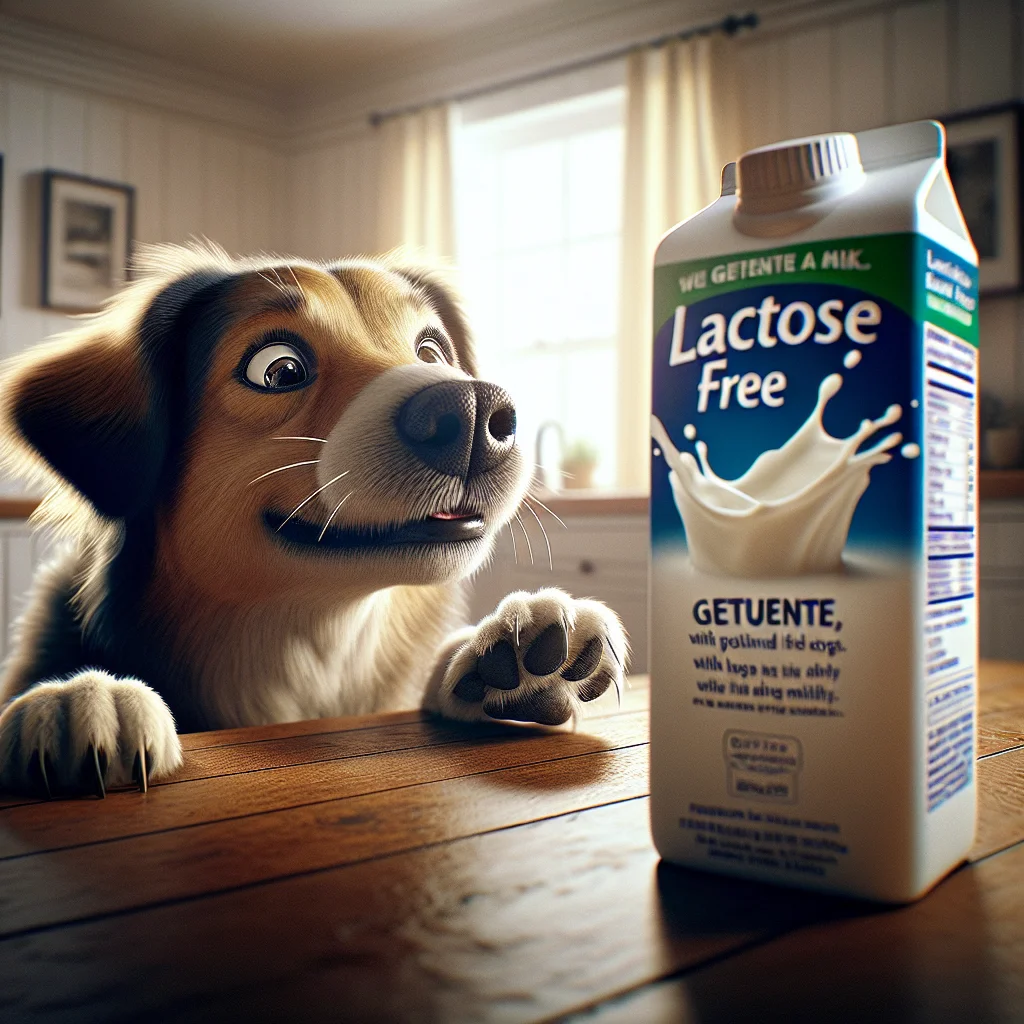
Lactose-free milk is generally considered safe for dogs in moderation. Unlike regular milk, lactose-free milk is treated to remove lactose, the sugar that many dogs find difficult to digest due to a lack of the enzyme lactase. However, caution is advised because even lactose-free milk can cause digestive upset in some dogs.
Can Dogs Digest Lactose-Free Milk?
Most dogs lack the enzyme lactase, which is necessary for breaking down lactose found in regular milk. Lactose-free milk is processed to have the lactose removed or broken down, which can make it easier for some dogs to digest. Despite this, some dogs might still experience gastrointestinal issues due to other components in the milk, such as fats or proteins, that may not agree with them. Monitoring your dog’s response to lactose-free milk is crucial to understanding their tolerance level.
What Are the Benefits of Lactose-Free Milk for Dogs?
Lactose-free milk can offer some nutritional benefits. It contains essential proteins and vitamins such as vitamin D and calcium, which are beneficial for bone health. However, these nutrients can be obtained from other dog-friendly foods, and lactose-free milk should never be a primary source. If used, it should be a small treat rather than a dietary staple. Always ensure that the lactose-free milk does not contain harmful additives like xylitol.
How Much Lactose-Free Milk Can Dogs Have?
Moderation is key when offering lactose-free milk to dogs. A small amount, such as a few tablespoons, can be given occasionally as a treat. Overconsumption can lead to issues like diarrhea or weight gain due to the calorie content. It’s important to integrate any new food or treat into your dog’s diet slowly and observe for any adverse reactions.
What Are the Signs of Lactose-Free Milk Intolerance in Dogs?
Even with the absence of lactose, some dogs may still react negatively to lactose-free milk. Symptoms of intolerance can include vomiting, diarrhea, gas, and abdominal discomfort. If any of these symptoms appear, it’s best to discontinue offering lactose-free milk and consult a veterinarian for guidance.
Is Lactose-Free Milk Necessary for My Dog’s Diet?
Lactose-free milk is not a necessary component of a dog’s diet. Dogs can achieve a balanced diet without any form of milk by consuming high-quality dog food that provides all the necessary nutrients. Milk, even lactose-free, should be considered an occasional treat rather than a dietary requirement. Always prioritize your dog’s overall nutritional needs and consult with your veterinarian when introducing new foods.
Toxicity Levels
| Type | Amount | Risk |
|---|---|---|
| Regular Milk | Small | High |
| Lactose-Free Milk | Small | Low |
| Lactose-Free Milk | Moderate | Moderate |
| Lactose-Free Milk | Large | High |
| Milk with Additives | Any | High |
Symptoms to Watch For
- Vomiting
- Diarrhea
- Excessive Gas
- Abdominal Discomfort
- Lethargy
Frequently Asked Questions
Can lactose-free milk cause diarrhea in dogs?
Is lactose-free milk better for dogs than regular milk?
What should I do if my dog reacts badly to lactose-free milk?
Are there any specific brands of lactose-free milk recommended for dogs?
How often can I give my dog lactose-free milk?