
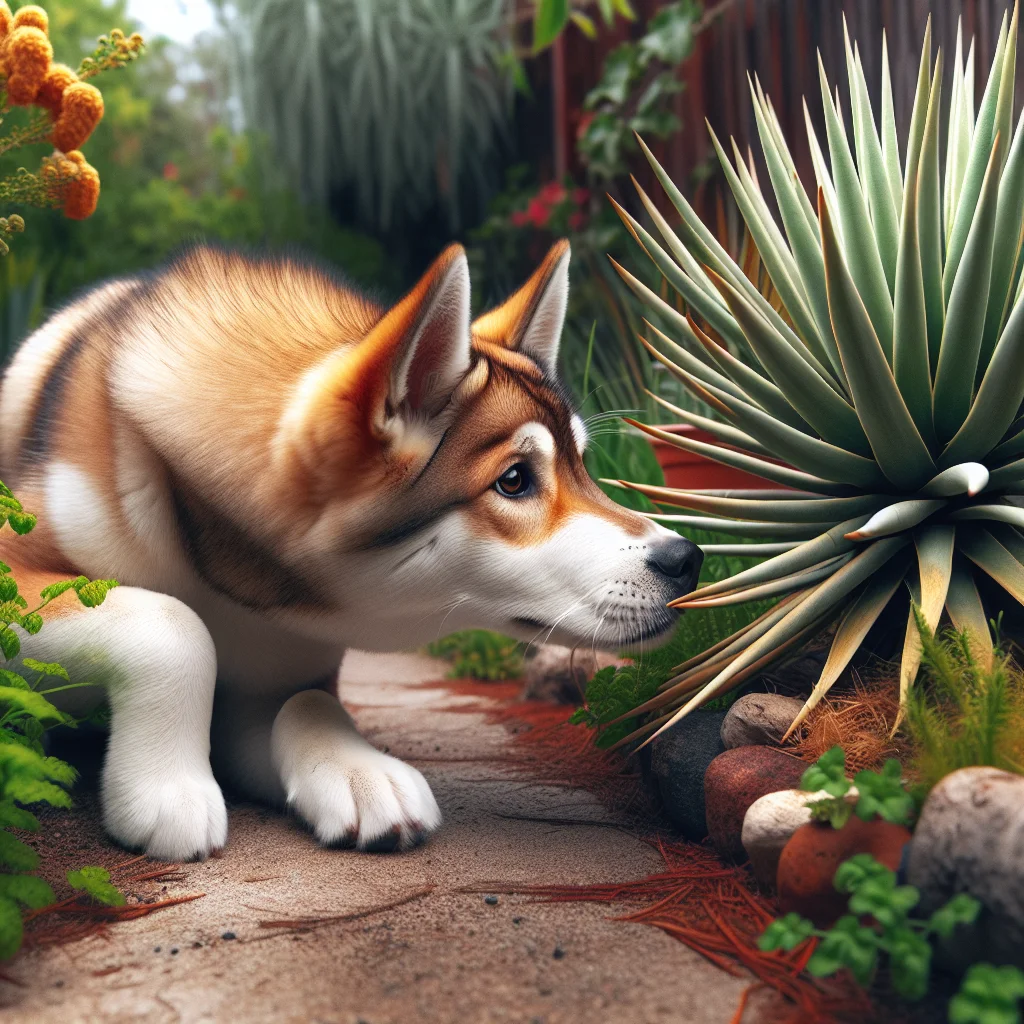
If you suspect your pet has ingested this food, do not wait for symptoms. Contact your veterinarian immediately.
Toxic. Yucca, a plant often found in ornamental gardens and used in various culinary dishes, contains saponins that can pose a risk to dogs. Saponins are chemical compounds that, when ingested by dogs, can lead to gastrointestinal distress and other health issues. Understanding the risks associated with yucca can help dog owners make informed decisions and ensure their pets' safety.
What are the signs of yucca poisoning in dogs?
Dogs that consume yucca may exhibit a range of symptoms, largely due to the saponins present in the plant. Common signs include vomiting, diarrhea, and drooling. In some cases, dogs may experience abdominal pain, lethargy, or even seizures. If your dog shows any of these symptoms after ingesting yucca, it's crucial to contact your veterinarian immediately. Prompt medical attention can mitigate the effects of the toxin and prevent more serious health complications.
How much yucca is toxic to dogs?
The toxicity of yucca depends on the amount ingested relative to the dog's size and overall health. Small amounts might only cause mild symptoms, while larger quantities can lead to severe reactions. It's generally advised to keep yucca plants out of reach of dogs. If you suspect your dog has consumed a significant amount, it's best to err on the side of caution and seek veterinary advice. Remember, prevention is always better than cure when it comes to potential toxins.
Can yucca be beneficial in any way for dogs?
Interestingly, yucca is sometimes used in pet foods and supplements for its purported anti-inflammatory benefits. However, the processing of yucca for such purposes typically involves removing the toxic saponins. Therefore, while yucca has potential health benefits, these should only be leveraged under professional guidance. Always consult with a veterinarian before introducing any new supplement to your dog's diet to ensure it is safe and appropriate for their specific health needs.
How should I react if my dog eats yucca?
If your dog eats yucca, watch for any signs of distress. Even if symptoms appear mild, it's wise to consult with a veterinarian. Provide them with details such as the amount consumed and the size of your dog. Keep a sample of the plant if possible, as this can aid in diagnosis. In cases of severe poisoning, immediate veterinary care is essential to prevent complications. Having the contact information for a 24-hour emergency veterinary clinic can be invaluable.
What precautions can I take to keep my dog safe from yucca?
To prevent accidental ingestion of yucca, ensure that these plants are not accessible to your dog. Consider fencing off areas where yucca grows or choosing alternative plants for your garden. Educate family members and visitors about the risks associated with yucca. If you use yucca in cooking, store any raw or dried yucca products safely out of your dog's reach. Being proactive can significantly reduce the risk of your dog encountering this potentially harmful plant.
Toxicity Levels
| Type | Amount | Risk |
|---|---|---|
| Leaves | Small | Moderate |
| Leaves | Large | High |
| Roots | Small | Moderate |
| Roots | Large | High |
| Stem | Any | Moderate |
Symptoms to Watch For
- Vomiting
- Diarrhea
- Drooling
- Lethargy
- Seizures
Frequently Asked Questions
Is yucca safe for dogs in small amounts?
Can yucca be used in dog food?
Are all parts of the yucca plant toxic to dogs?
What should I do if my dog eats yucca?
Can yucca poisoning be treated at home?