
If you suspect your pet has ingested this food, do not wait for symptoms. Contact your veterinarian immediately.
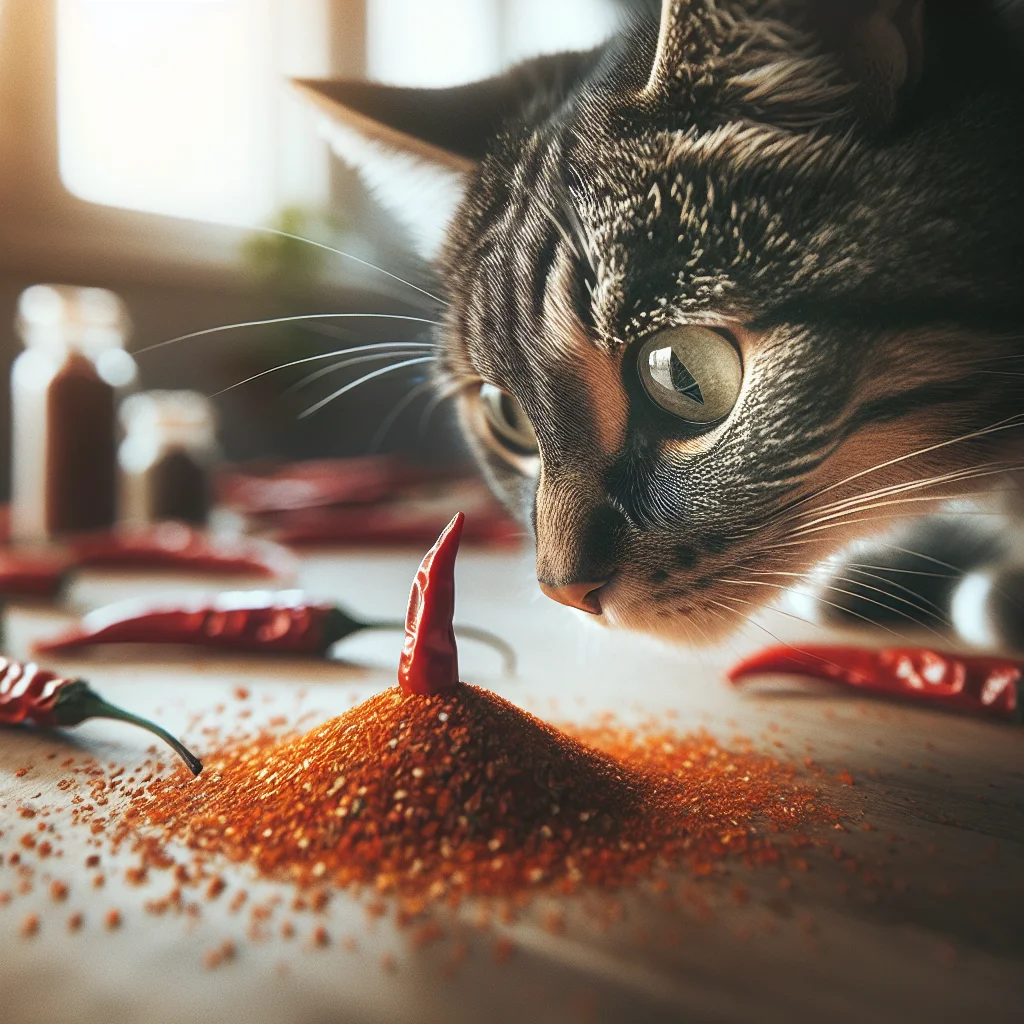
Cayenne pepper is not safe for cats. This spicy ingredient contains capsaicin, a compound responsible for its heat, which can cause irritation in cats. When ingested, capsaicin can lead to gastrointestinal upset and discomfort due to its irritant properties. The mucous membranes in a cat's mouth, throat, and stomach are sensitive, and the introduction of cayenne pepper can disrupt their delicate balance.
Can cats taste cayenne pepper?
Cats lack the taste receptors for spicy foods, meaning they cannot actually taste the spiciness of cayenne pepper like humans do. However, even without tasting the spice, the physical effects of capsaicin can still be pronounced in cats. The irritation it causes can lead to excessive drooling, coughing, and sneezing. Cats may instinctively avoid the pungent smell of cayenne pepper, but if they come into contact with it, the consequences can be uncomfortable.
What happens if a cat ingests cayenne pepper?
If a cat ingests cayenne pepper, they may experience gastrointestinal issues such as vomiting and diarrhea. The capsaicin can cause irritation to the lining of the stomach and intestines, leading to these symptoms. In severe cases, the irritation can also cause dehydration if vomiting and diarrhea are persistent. Cats may also exhibit pawing at their mouth or face, indicating discomfort or pain.
Is cayenne pepper used to deter cats?
Many people use cayenne pepper as a natural deterrent to keep cats away from certain areas or items. The strong scent can be unpleasant to cats, discouraging them from approaching. However, using cayenne pepper as a deterrent can pose risks if a cat accidentally ingests it or if the pepper irritates their skin or eyes. It's important to consider safer alternatives for deterring cats, such as using citrus peels or commercial cat repellents that are pet-safe.
Are there safe alternatives to cayenne pepper for deterring cats?
Yes, there are several safe alternatives to cayenne pepper for deterring cats. Citrus scents, such as orange or lemon peels, are often effective and safe. Commercial cat repellents designed to be safe for pets can also be a viable option. Additionally, providing cats with engaging toys or designated scratching areas can redirect their behavior away from unwanted areas. It's crucial to prioritize the safety and well-being of cats by choosing non-toxic deterrents.
How to respond if your cat comes into contact with cayenne pepper?
If your cat comes into contact with cayenne pepper, observe them closely for any signs of distress or discomfort. If they exhibit symptoms like vomiting, excessive drooling, or pawing at their mouth, it may be necessary to consult a veterinarian. Remove any traces of cayenne pepper from their environment and ensure they have access to fresh water. In cases of eye or skin irritation, gently rinse the affected area with clean water to alleviate discomfort.
Toxicity Levels
| Type | Amount | Risk |
|---|---|---|
| Small Amount | 1/4 teaspoon | Mild gastrointestinal upset |
| Moderate Amount | 1/2 teaspoon | Moderate discomfort, vomiting |
| Large Amount | 1 teaspoon | Severe vomiting, potential dehydration |
| Repeated Exposure | Daily exposure | Chronic irritation, potential for ulcers |
| Contact with Eyes | Any amount | Severe irritation, redness |
Symptoms to Watch For
- Vomiting
- Diarrhea
- Sneezing
- Excessive Drooling
- Pawing at Mouth or Face
Frequently Asked Questions
Why can't cats taste spicy food?
What should I do if my cat eats cayenne pepper?
Are there any herbs that are safe for cats?
Can cayenne pepper harm a cat's eyes or skin?
Why do people use cayenne pepper to deter cats?