
If you suspect your pet has ingested this food, do not wait for symptoms. Contact your veterinarian immediately.
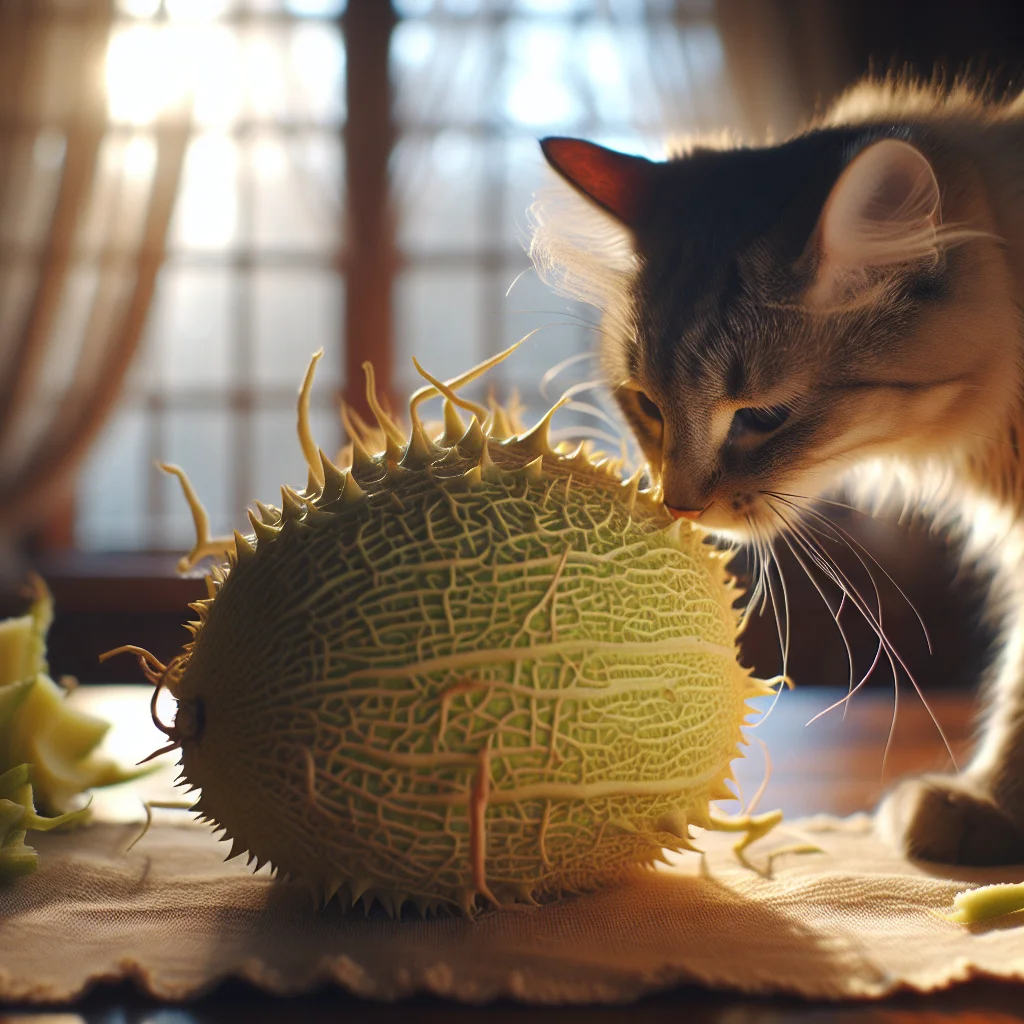
Jicama is not toxic to cats, but caution is advised. Jicama, a root vegetable native to Mexico, contains a compound called rotenone, which is primarily found in the skin and seeds. Rotenone can be harmful if ingested in significant quantities, potentially leading to gastrointestinal distress in cats. While the flesh of the jicama is generally safe, it is crucial to ensure that your cat does not consume the skin or seeds.
Can Cats Digest Jicama?
While cats are obligate carnivores, meaning their natural diet consists mainly of meat, they can occasionally ingest small amounts of plant material. The fibrous nature of jicama means that it is not easily digestible for cats. If a cat consumes jicama, it might experience mild digestive upset, such as diarrhea or vomiting. Therefore, it's best to avoid offering jicama as a treat and ensure it is not accessible to your pet.
What Are the Symptoms of Jicama Poisoning in Cats?
Though jicama is not highly toxic, ingestion of its skin or seeds can lead to symptoms of poisoning in cats. These symptoms may include vomiting, diarrhea, lethargy, and loss of appetite. If a cat displays any of these signs after consuming jicama, it's crucial to contact a veterinarian immediately. Monitoring your cat's behavior and health closely can help mitigate any serious health risks.
How Much Jicama Is Dangerous for Cats?
Since the flesh of jicama is not toxic, small amounts might not pose a significant risk. However, the seeds and skin should be avoided altogether. Even a small amount of the toxic part can cause digestive issues. As a rule of thumb, it's best to refrain from feeding jicama to your cat to prevent any accidental ingestion of harmful components.
Are There Alternatives to Jicama for Cats?
For cat owners looking to provide their pets with occasional plant-based treats, there are safer alternatives than jicama. Cooked carrots, small pieces of bell pepper, or cucumber slices offer crunchy textures without the risk of toxins. Always ensure any treat is given in moderation and observe your cat for any adverse reactions.
Why Do Some Cats Show Interest in Jicama?
Cats are naturally curious creatures, and their interest in jicama might stem from its crunchy texture and subtle sweetness. However, their dietary needs are best met with nutritionally balanced cat food. If your cat shows interest in jicama, it's essential to keep it out of reach and provide safe, suitable treats instead.
Toxicity Levels
| Type | Amount | Risk |
|---|---|---|
| Flesh | Small | Low |
| Skin | Any | Moderate |
| Seeds | Any | High |
| Juice | Moderate | Moderate |
| Leaves | Any | High |
Symptoms to Watch For
- Vomiting
- Diarrhea
- Lethargy
- Loss of Appetite
- Abdominal Pain
Frequently Asked Questions
Is jicama safe for cats to eat?
What should I do if my cat eats jicama?
Can cats eat any part of the jicama plant?
Are there any health benefits for cats eating jicama?
How can I prevent my cat from eating jicama?