
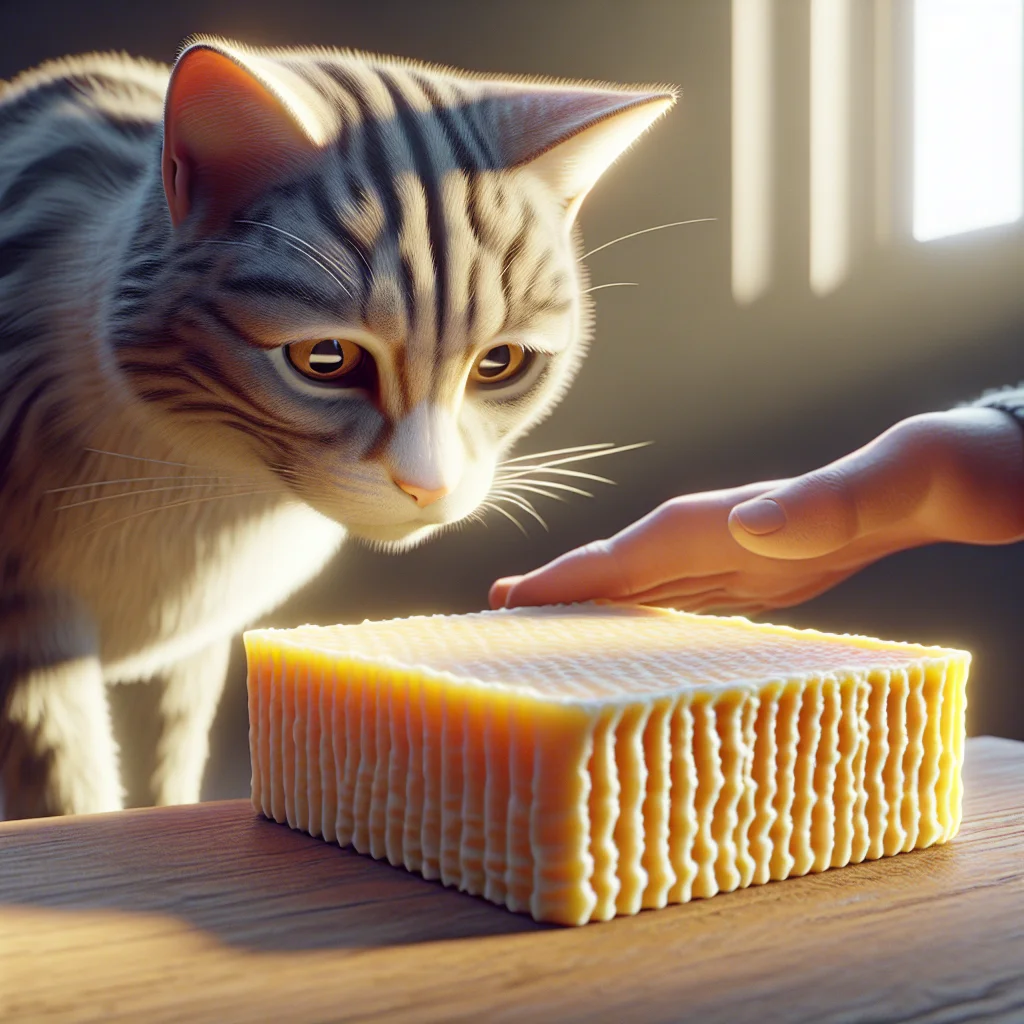
If you suspect your pet has ingested this food, do not wait for symptoms. Contact your veterinarian immediately.
Can Cats Eat Tallow? Understanding the Caution Needed
Tallow is not toxic to cats, but caution is advised due to potential digestive issues and health risks associated with its high-fat content. Consumed in large amounts, tallow can lead to obesity, pancreatitis, and gastrointestinal distress in felines. Unlike humans, cats have a limited ability to digest large quantities of fat, which can overwhelm their digestive system and cause serious health problems over time.
What Are the Risks of Feeding Tallow to Cats?
Feeding tallow to cats primarily poses the risk of obesity and pancreatitis. Due to its dense caloric nature, tallow can contribute to rapid weight gain in felines. Obesity in cats is linked to numerous health issues, including diabetes, arthritis, and reduced lifespan. Additionally, the high-fat content can trigger pancreatitis, an inflammation of the pancreas that can be life-threatening. Symptoms of pancreatitis include vomiting, lethargy, and abdominal pain. It is crucial for cat owners to monitor their pet's fat intake carefully to prevent these conditions.
How Much Tallow Is Safe for Cats?
There is no established safe amount of tallow that cats can consume, as individual tolerance can vary. Generally, it is best to avoid feeding tallow to cats altogether. If tallow is accidentally ingested, observe your cat for any signs of digestive upset or unusual behavior. If symptoms occur, contacting a veterinarian is advisable. Instead of tallow, consider offering your cat specially formulated cat foods that provide the necessary nutrients without the excessive fat content.
What Are the Symptoms of Tallow Overconsumption in Cats?
Overconsumption of tallow in cats can result in several noticeable symptoms. These include vomiting, diarrhea, lack of appetite, and lethargy. More severe cases may involve abdominal pain and signs of pancreatitis, such as increased thirst and urination. Early detection of these symptoms is essential to prevent further complications. If your cat exhibits any of these signs after ingesting tallow, seek veterinary care immediately.
Are There Alternatives to Tallow for Cats?
Yes, there are healthier alternatives to tallow that can be safely incorporated into a cat's diet. Lean meats like chicken, turkey, or specially formulated cat food are excellent options. These alternatives provide the necessary protein and nutrients without the excessive fat present in tallow. It's always best to consult with a veterinarian to create a balanced diet plan tailored to your cat's specific needs. This ensures your furry friend receives optimal nutrition without unnecessary health risks.
Can Cats Digest Fats Like Tallow Efficiently?
Cats can digest fats, but not as efficiently as humans. Their digestive systems are not equipped to handle large quantities of fat, like those found in tallow. Consuming too much fat can lead to digestive upset and long-term health issues. Cats require a balanced diet with moderate fat content to maintain good health. If you are unsure about the right dietary balance for your cat, consulting with a veterinarian can provide the guidance needed to ensure a healthy diet.
Toxicity Levels
| Type | Amount | Risk |
|---|---|---|
| Tallow | Small (Less than a teaspoon) | Low |
| Tallow | Moderate (1-2 teaspoons) | Moderate |
| Tallow | Large (More than 2 teaspoons) | High |
| Tallow | Regular Consumption | Very High |
| Tallow | Accidental Ingestion | Variable |
Symptoms to Watch For
- Vomiting
- Diarrhea
- Lethargy
- Abdominal Pain
- Loss of Appetite
Frequently Asked Questions
Is tallow harmful to cats?
What should I do if my cat eats tallow?
Can tallow cause pancreatitis in cats?
Are there safer fat sources for cats?
How can I ensure my cat's diet is balanced?