
If you suspect your pet has ingested this food, do not wait for symptoms. Contact your veterinarian immediately.
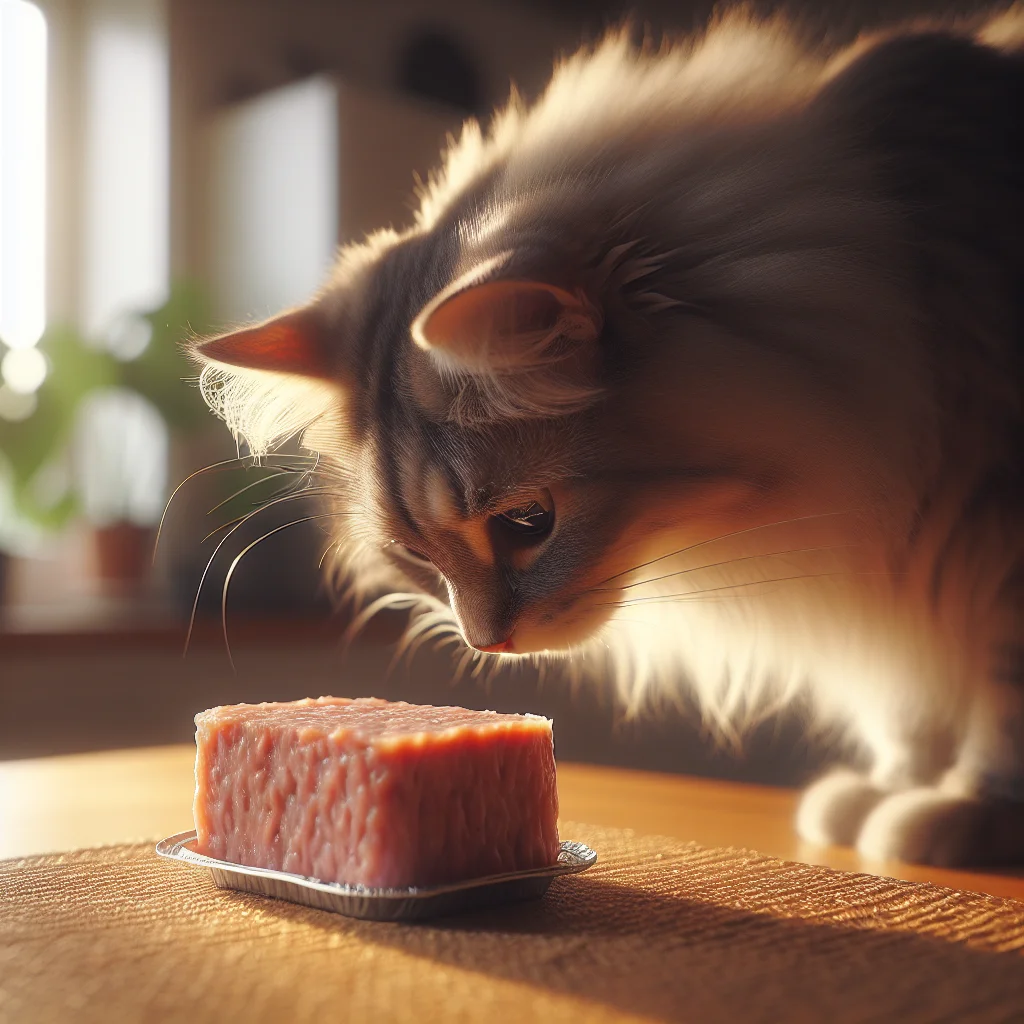
Spam is not toxic to cats, but caution is advised. Though not immediately harmful, Spam contains high levels of sodium and preservatives that can negatively impact a cat's health over time. Cats have a unique metabolic system that is not equipped to handle excessive salt and certain additives found in human-processed foods like Spam, leading to potential health issues.
What Happens if a Cat Eats Spam?
Cats that ingest Spam may experience digestive upset due to its high sodium content and preservatives. In the short term, this might manifest as vomiting or diarrhea. Cats lack the enzymes required to break down the complex preservatives found in Spam, potentially leading to an overload on their kidneys. Regular consumption could result in more severe complications such as kidney disease or hypertension due to the chronic intake of salt.
How Much Spam is Too Much for Cats?
Even small amounts of Spam can be too much for a cat due to their low tolerance for sodium. A single slice of Spam contains far more salt than a cat should ideally consume in a day. Consistent exposure to such high sodium levels can lead to chronic health issues. If a cat accidentally consumes Spam, ensure it is a rare occurrence and monitor them for any adverse reactions.
Are There Safer Alternatives to Spam for Cats?
Yes, there are safer alternatives if you wish to give your cat a special treat. Opt for plain, cooked chicken or turkey, which are more aligned with a cat’s natural dietary needs. These options provide protein without the harmful preservatives and high sodium content found in Spam. Always ensure any meat given is cooked thoroughly and free of seasoning.
What Are the Symptoms of Spam Overconsumption in Cats?
Signs of Spam overconsumption in cats include excessive thirst, urination, lethargy, and digestive upset. In severe cases, signs might escalate to include vomiting, diarrhea, and even more drastic symptoms like seizures if sodium levels become dangerously high. It is crucial to contact your veterinarian if you observe any of these signs, especially after your cat has eaten Spam.
Can Regular Consumption of Spam Lead to Long-Term Health Issues in Cats?
Yes, regular consumption of Spam can lead to long-term health issues in cats, primarily due to its high sodium content. Over time, excessive sodium can contribute to the development of hypertension, kidney disease, and heart problems. While a single ingestion may not cause immediate harm, the cumulative effect of frequent Spam consumption could be detrimental to a cat's health. It’s best to avoid making Spam a regular part of your cat's diet.
Toxicity Levels
| Type | Amount | Risk |
|---|---|---|
| Spam Slice | 1 slice | High |
| Spam Cube | 1 cube | Moderate |
| Spam Crumble | 1 tbsp | Low |
| Spam Sandwich | Half sandwich | High |
| Spam Spread | 1 tsp | Moderate |
Symptoms to Watch For
- Vomiting
- Diarrhea
- Lethargy
- Excessive Thirst
- Seizures
Frequently Asked Questions
Is Spam toxic to cats?
Can Spam cause kidney problems in cats?
What should I do if my cat eats Spam?
Are there any safe processed meats for cats?
How can I prevent my cat from eating Spam?