
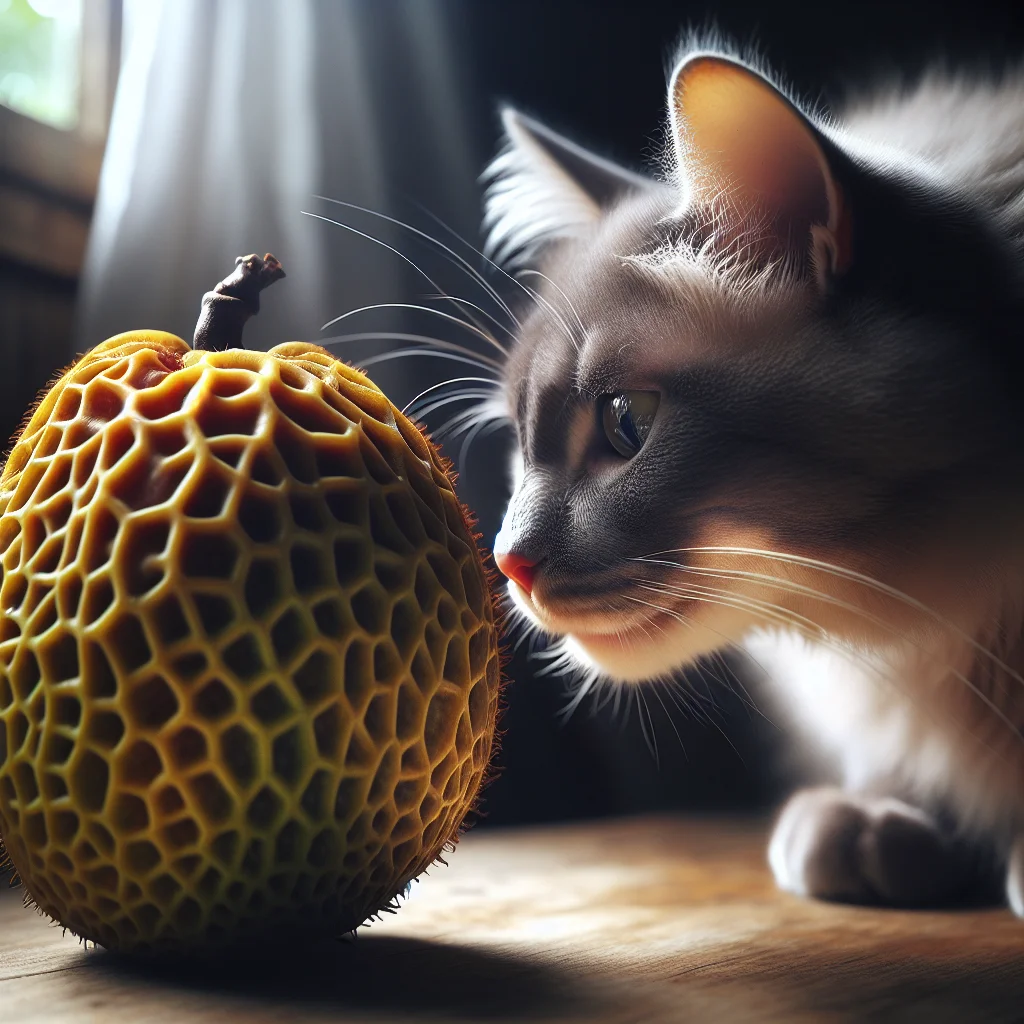
If you suspect your pet has ingested this food, do not wait for symptoms. Contact your veterinarian immediately.
Toxic. Sapote fruit contains compounds that are potentially harmful to cats. The seeds and skin of sapote contain cyanogenic glycosides, which can release cyanide when metabolized. This chemical reaction can lead to cyanide poisoning, a serious condition that requires immediate veterinary attention.
What Happens if a Cat Eats Sapote?
When a cat consumes sapote, the cyanogenic glycosides in the fruit can be metabolized into cyanide in the body. This toxic transformation can interfere with cellular respiration, preventing the cat's cells from using oxygen efficiently and leading to a rapid decline in health. The presence of these compounds is mostly concentrated in the seeds and skin, but caution is advised with the flesh as well. Even a small amount of ingestion can be dangerous, particularly for smaller cats with less body mass.
How Much Sapote is Harmful to Cats?
The toxicity of sapote in cats is dose-dependent. Ingestion of even a small amount of seeds or skin can pose a significant risk due to the high concentration of cyanogenic compounds. If your cat consumes any part of a sapote, it's crucial to monitor them closely for any signs of distress or poisoning. The size of the cat and its overall health will influence how much sapote they can tolerate, but it is best to avoid any exposure. Always consult with a veterinarian if exposure occurs.
What Are the Symptoms of Sapote Poisoning in Cats?
Symptoms of sapote poisoning in cats can vary but often include vomiting, diarrhea, lethargy, rapid breathing, and seizures. These symptoms can appear quickly after ingestion and may require urgent veterinary care. If you suspect your cat has eaten sapote, it is important to act swiftly. The onset of symptoms can be sudden and their progression rapid, making early detection and intervention critical to the cat's recovery.
Is There a Safe Amount of Sapote for Cats?
There is no known safe amount of sapote for cats. The potential risk associated with the fruit's toxic compounds outweighs any perceived benefits. While some fruits are safe in moderation, sapote is not one of them due to its potential to cause serious harm. Pet owners should prioritize safer fruit alternatives that do not carry such risks. If you are uncertain about the safety of any fruit or vegetable, it is best to consult with a veterinarian.
How Should I Treat a Cat Exposed to Sapote?
If you suspect your cat has ingested sapote, immediate veterinary attention is essential. Do not attempt to induce vomiting unless specifically instructed by a veterinarian, as this could cause further harm. Your vet may administer activated charcoal to prevent further absorption of the toxin or provide supportive care such as oxygen therapy, intravenous fluids, and medication to counteract the effects of cyanide poisoning. Early intervention is the key to a positive outcome.
Toxicity Levels
| Type | Amount | Risk |
|---|---|---|
| Seeds | Small | High |
| Skin | Small | High |
| Flesh | Moderate | Moderate |
| Juice | Moderate | Moderate |
| Whole Fruit | Any | High |
Symptoms to Watch For
- Vomiting
- Diarrhea
- Lethargy
- Rapid Breathing
- Seizures
Frequently Asked Questions
Can sapote be fatal to cats?
Why is sapote toxic to cats?
What should I do if my cat eats sapote?
Are any parts of the sapote safe for cats?
Can sapote poisoning be treated?