
If you suspect your pet has ingested this food, do not wait for symptoms. Contact your veterinarian immediately.
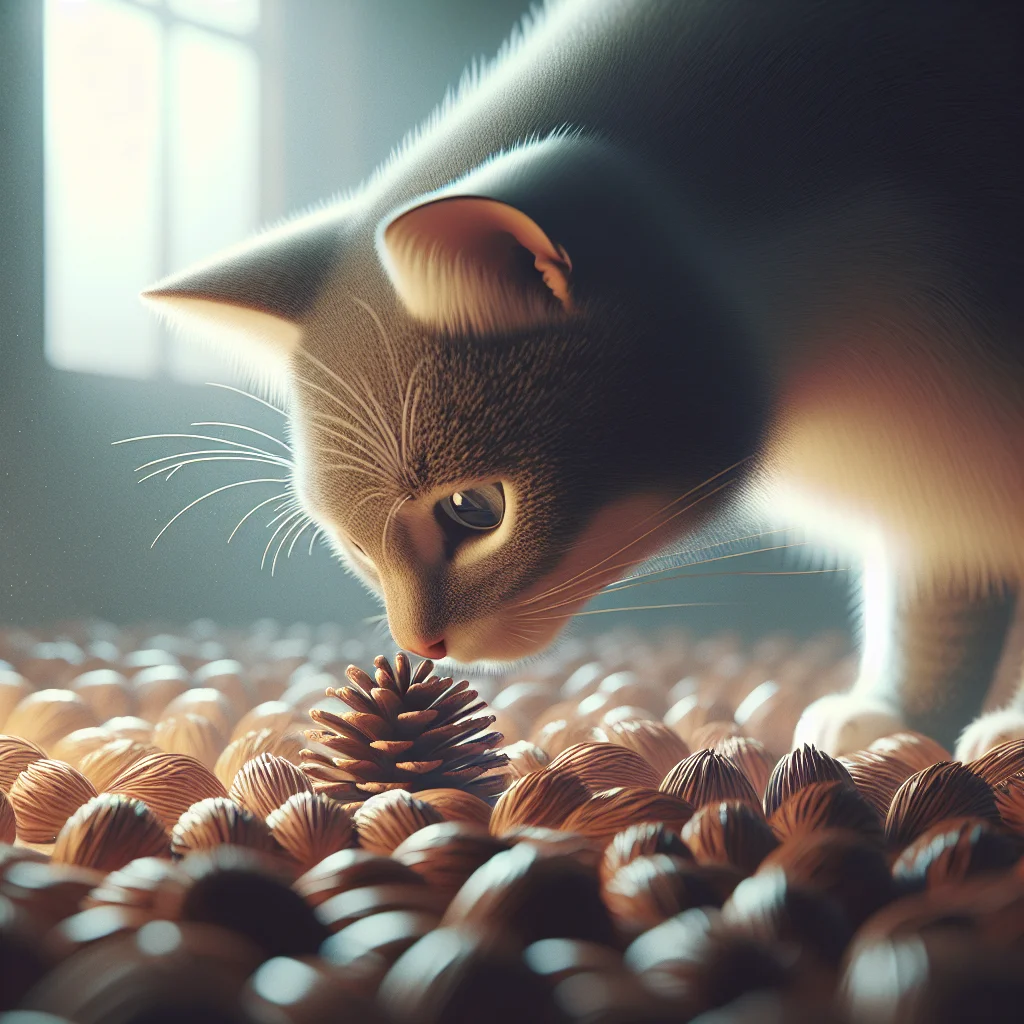
Pine nuts are not inherently toxic to cats, but caution is necessary due to potential digestive issues. The primary concern lies in the nut's high fat content, potentially leading to gastrointestinal upset or pancreatitis in cats. Unlike some other nuts, pine nuts do not contain specific toxins that are harmful to cats, but their dense caloric profile may cause weight gain or digestive disturbances if consumed in large quantities.
What Happens if a Cat Eats Pine Nuts?
When a cat consumes pine nuts, the most immediate concern is gastrointestinal discomfort. Pine nuts are rich in fats, which can lead to vomiting, diarrhea, or even pancreatitis in severe cases. Cats have a much lower tolerance for dietary fats compared to humans, and their digestive systems are not equipped to handle such rich foods. If your feline friend has ingested pine nuts, monitor them for signs of distress, such as changes in appetite, vomiting, or lethargy. Ensuring they have access to plenty of fresh water can help mitigate minor digestive issues.
Are Pine Nuts Dangerous for Cats?
While not overtly dangerous, pine nuts pose a cautionary risk due to their potential to cause digestive upset. In smaller amounts, pine nuts might just pass through your cat's system without significant issues, but larger quantities can lead to more serious health concerns like pancreatitis. Additionally, the high phosphorus content in pine nuts can be problematic for cats with pre-existing kidney conditions. It's best to avoid feeding pine nuts to your cat deliberately and keep them out of reach to prevent accidental ingestion.
How Can I Tell If My Cat Has Eaten Pine Nuts?
If you suspect your cat has eaten pine nuts, watch for symptoms such as vomiting, diarrhea, or a noticeable change in behavior. Cats may also display signs of abdominal pain, such as hunching over or reluctance to move. These symptoms typically appear within a few hours of ingestion. If you observe any of these signs, consult your veterinarian promptly for advice. Early intervention can prevent more serious issues from developing.
Can Pine Nuts Cause Allergic Reactions in Cats?
Allergic reactions to pine nuts are rare in cats but not impossible. If your cat is allergic, you might notice symptoms like itchy skin, excessive grooming, or respiratory issues. Allergies can vary in severity, and even a small amount of pine nut could trigger a reaction in a sensitive cat. If your cat shows any signs of an allergic reaction, it's crucial to seek veterinary care immediately. Your vet can provide treatments to alleviate symptoms and prevent complications.
Should I Avoid Giving Any Nuts to My Cat?
As a general rule, it's advisable to avoid feeding any type of nut to cats. Most nuts, including pine nuts, are high in fats and can lead to digestive issues or pancreatitis. Additionally, some nuts are toxic to cats, such as macadamia nuts. Rather than risking potential health problems, stick to cat-safe treats specifically designed for feline consumption. These are formulated to meet their nutritional needs without posing unnecessary risks.
Toxicity Levels
| Type | Amount | Risk |
|---|---|---|
| Small Amount (1-2 nuts) | Low | Minimal |
| Moderate Amount (3-5 nuts) | Medium | Moderate |
| Large Amount (6-10 nuts) | High | Significant |
| Excessive Amount (more than 10 nuts) | Very High | Severe |
| Chronic Ingestion | Variable | Chronic Health Issues |
Symptoms to Watch For
- Vomiting
- Diarrhea
- Lethargy
- Abdominal Pain
- Loss of Appetite
Frequently Asked Questions
Can pine nuts cause pancreatitis in cats?
Are there any safe nuts for cats?
What should I do if my cat eats a large number of pine nuts?
Can pine nuts cause long-term health issues in cats?
How can I prevent my cat from eating pine nuts?