
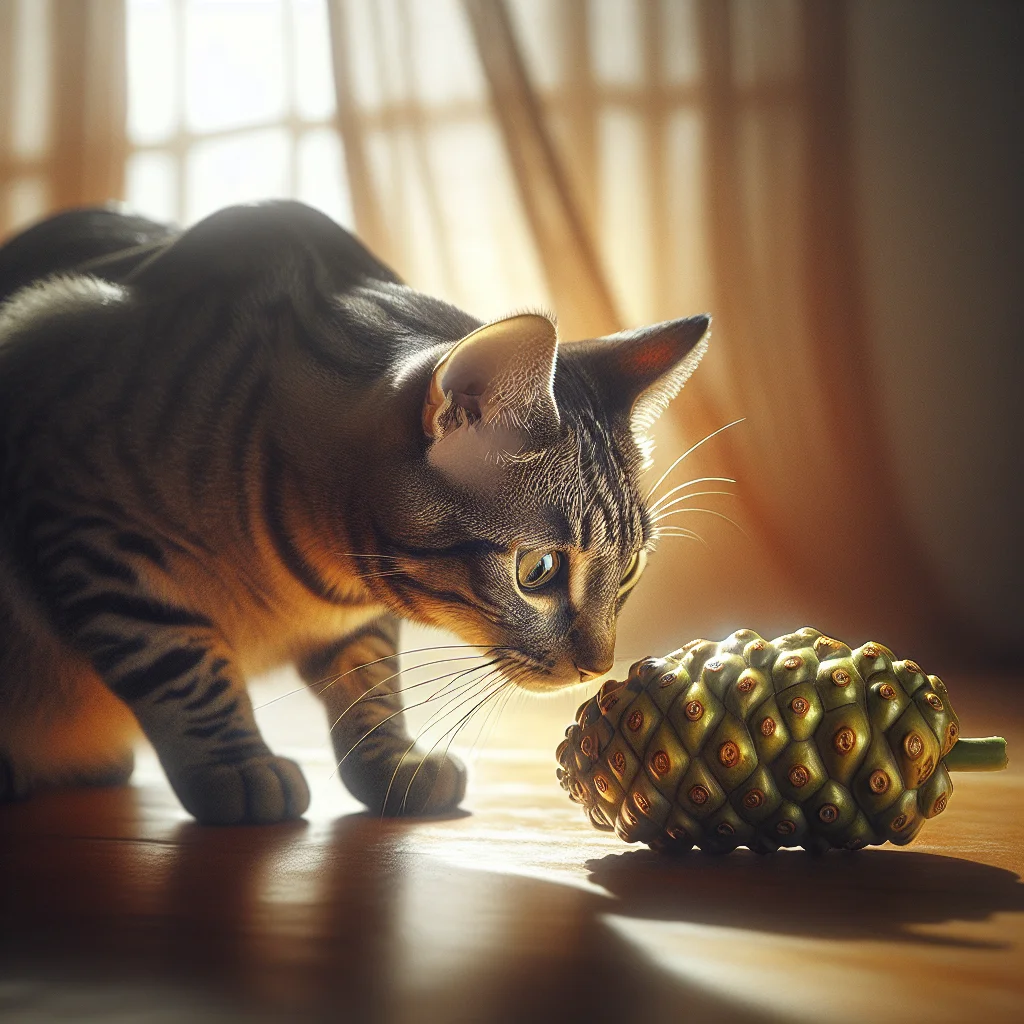
If you suspect your pet has ingested this food, do not wait for symptoms. Contact your veterinarian immediately.
Noni, scientifically known as Morinda citrifolia, is not safe for cats. The consumption of Noni by felines can lead to adverse health effects due to the presence of various chemical compounds that are not suitable for a cat's metabolism. These include anthraquinones, which can cause digestive upset and more severe health issues. The unique digestive system of cats lacks the necessary enzymes to safely process these compounds, leading to potential toxicity.
What happens if a cat eats Noni?
If a cat ingests Noni, the immediate effects may include gastrointestinal upset, vomiting, and diarrhea. The anthraquinones present in Noni can irritate the mucous membranes of the stomach and intestines, leading to these symptoms. Over time, repeated exposure or larger amounts can lead to more severe symptoms, including dehydration, lethargy, and in extreme cases, liver damage. It's crucial for pet owners to monitor their cats closely if they suspect Noni ingestion and consult a veterinarian promptly to prevent escalation.
Is Noni toxic to cats?
Yes, Noni is considered toxic to cats due to its chemical compounds like anthraquinones. These compounds are not inherently harmful to humans in small amounts but can be dangerous for cats. The feline liver processes toxins differently than humans, making them more susceptible to the harmful effects of certain plants and fruits. Ingesting Noni can lead to a toxic buildup in the cat's system, potentially causing long-term health issues.
How do I know if my cat has eaten Noni?
Signs that your cat may have eaten Noni include sudden changes in behavior such as lethargy, refusal to eat, and symptoms of gastrointestinal distress like vomiting or diarrhea. You might also notice your cat drinking more water than usual, which could indicate an attempt to counteract dehydration. If you observe any of these symptoms, it's important to check for evidence of Noni consumption, such as chewed fruit or leaves, and seek veterinary care immediately.
What should I do if my cat eats Noni?
If your cat has ingested Noni, it's vital to act quickly. Remove any remaining Noni from your cat's reach to prevent further ingestion. Contact your veterinarian for advice; they may recommend bringing your cat in for a check-up. In some cases, inducing vomiting may be advised, but this should only be done under veterinary supervision to ensure safety. Monitoring your cat's behavior and symptoms closely will help the vet assess the severity of the situation.
Can cats have a small amount of Noni safely?
Even small amounts of Noni can be problematic for cats. Unlike humans, cats have a more sensitive digestive system that can react negatively to substances that are otherwise harmless. The risk of gastrointestinal upset or other toxic effects means that it's best to avoid giving Noni to cats altogether. Providing a balanced diet specifically formulated for felines is the safest way to ensure their health and well-being.
Toxicity Levels
| Type | Amount | Risk |
|---|---|---|
| Fresh Noni | Small bite | Moderate |
| Noni Juice | 1-2 sips | High |
| Noni Supplements | Any amount | Very High |
| Noni Leaves | Few leaves | Moderate |
| Dried Noni | Small piece | High |
Symptoms to Watch For
- Vomiting
- Diarrhea
- Lethargy
- Dehydration
- Loss of Appetite
Frequently Asked Questions
Can a small amount of Noni harm my cat?
What are the first signs of Noni poisoning in cats?
How can I prevent my cat from eating Noni?
Are there any safe fruits for cats?
Can Noni cause long-term health issues in cats?