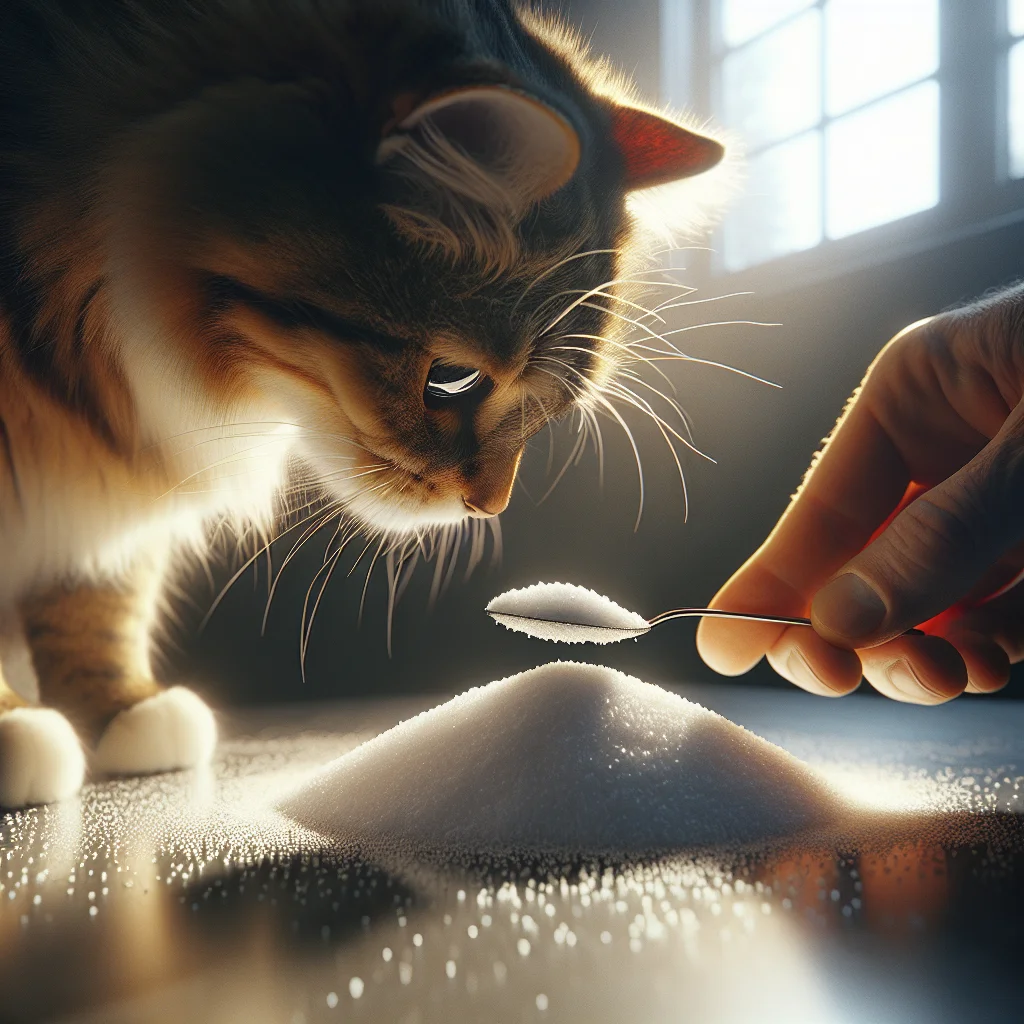
If you suspect your pet has ingested this food, do not wait for symptoms. Contact your veterinarian immediately.
Can Cats Eat Erythritol? Understanding Its Safety and Risks
Erythritol is considered to be generally safe for cats, but caution is advised. Unlike xylitol, another sugar alcohol, erythritol does not seem to pose a significant toxicity risk. However, it is important to remember that cats have different metabolic pathways compared to humans and dogs. While erythritol does not trigger insulin release, excessive consumption might lead to gastrointestinal discomfort, such as diarrhea or vomiting due to its osmotic effect.
What Does Erythritol Do to Cats?
Erythritol, a sugar alcohol, is absorbed in the small intestine and excreted unchanged in the urine. In cats, this means that erythritol passes through their system without being metabolized significantly. However, its osmotic property can attract water into the intestines, potentially causing diarrhea if consumed in large amounts. Unlike xylitol, erythritol does not cause hypoglycemia or liver damage, making it relatively safer. Still, it is not advisable to deliberately include erythritol in your cat's diet.
Are There Any Benefits to Erythritol for Cats?
There are no known health benefits of erythritol for cats. Cats are obligate carnivores, requiring nutrients found primarily in meat. Erythritol does not contribute to their nutritional needs. While it might be used as a sugar substitute in human foods, it does not provide any similar benefit to cats. Therefore, feeding erythritol to cats does not enhance their diet in any way.
Can Erythritol Cause Health Issues in Cats?
While erythritol is less harmful than other sugar alcohols, it can still cause gastrointestinal upset if ingested in large quantities. Cats may experience diarrhea or vomiting due to the osmotic effect of erythritol in the digestive tract. It is always best to monitor your cat and consult with a veterinarian if you notice any unusual symptoms after ingestion. Keeping sugary foods out of reach is a good preventative measure.
How Much Erythritol is Too Much for Cats?
Determining a 'safe' amount of erythritol for cats can be challenging due to individual variability. However, it is generally advised to avoid giving cats any amount of erythritol. Even small quantities can lead to gastrointestinal upset in sensitive cats. If your cat accidentally consumes a product containing erythritol, observe them for any signs of distress and contact your veterinarian if you have concerns.
What Should I Do if My Cat Eats Erythritol?
If your cat consumes erythritol, assess how much was ingested. For small amounts, monitor your cat for symptoms such as diarrhea or vomiting. Ensure they have access to fresh water to prevent dehydration. In cases where a significant amount was ingested or if your cat shows severe symptoms, contact your veterinarian immediately for advice. Quick action can prevent potential complications.
Toxicity Levels
| Type | Amount | Risk |
|---|---|---|
| Small amount | Less than 1g | Low |
| Moderate amount | 1-5g | Moderate |
| Large amount | More than 5g | High |
| Repeated exposure | Any | Moderate |
| Unknown quantity | Unknown | Variable |
Symptoms to Watch For
- Vomiting
- Diarrhea
- Lethargy
- Dehydration
- Loss of Appetite
Frequently Asked Questions
Is erythritol harmful to cats?
Can erythritol cause any long-term health issues?
What should I do if my cat accidentally eats erythritol?
Are there safer alternatives to erythritol for cats?
Why do some cat owners worry about erythritol?