
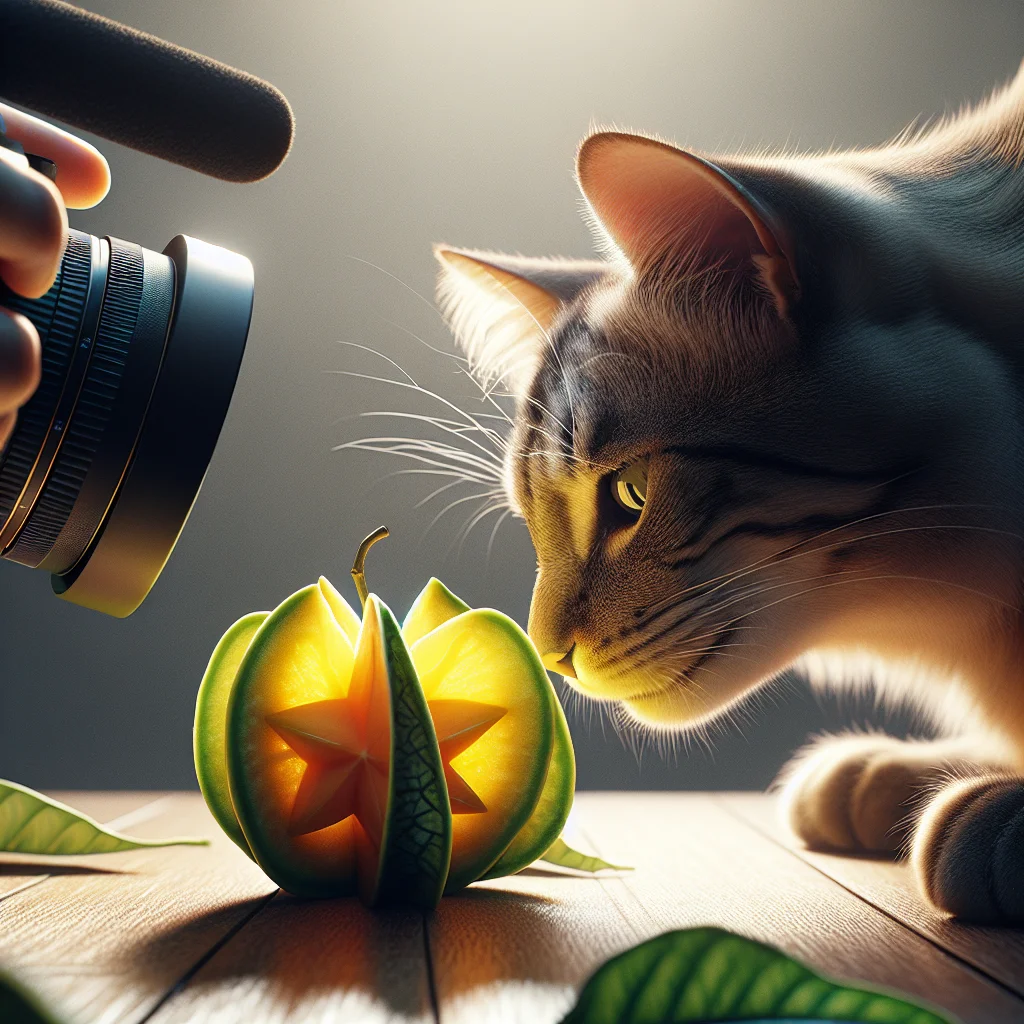
If you suspect your pet has ingested this food, do not wait for symptoms. Contact your veterinarian immediately.
Carambola, commonly known as starfruit, is toxic to cats primarily due to its high oxalate content. These compounds can lead to kidney problems by binding with calcium in the bloodstream, forming crystals that can harm the kidneys. Cats, with their sensitive renal systems, are particularly vulnerable to such effects, even from small quantities of carambola.
What Happens if a Cat Eats Carambola?
If a cat consumes carambola, the oxalates in the fruit can cause a range of symptoms related to kidney distress. Ingested oxalates bind to calcium in the blood, potentially leading to kidney stone formation or acute kidney injury. Symptoms may include vomiting, lethargy, increased thirst, and changes in urination patterns. Prompt veterinary attention is crucial to manage symptoms and prevent long-term kidney damage.
How to Recognize Carambola Poisoning in Cats?
Recognizing carambola poisoning in cats can be challenging unless you witness the ingestion. Common symptoms include gastrointestinal distress like vomiting and diarrhea, increased thirst and urination, lethargy, and abdominal pain. In severe cases, neurological symptoms such as twitching or seizures may occur. If you suspect your cat has consumed carambola, seek veterinary care immediately to confirm the diagnosis and initiate treatment.
What Are the Treatment Options for Carambola Poisoning?
Treating carambola poisoning in cats involves supportive care to manage symptoms and prevent further kidney damage. Veterinarians may administer intravenous fluids to flush oxalates from the kidneys and manage dehydration. Monitoring kidney function through blood tests and urine analysis is essential. In severe cases, dialysis might be necessary to support kidney function while the body clears the toxins.
How to Prevent Cats from Eating Carambola?
Preventing your cat from accessing carambola involves a few simple steps. First, ensure that any carambola or dishes containing the fruit are stored out of your cat's reach. Educate household members about the risks of carambola to cats. If you have a starfruit tree, consider fencing it off or supervising your cat when outdoors to prevent accidental ingestion. Providing safe, cat-friendly toys and foods can also reduce curiosity-driven nibbling on unsafe items.
Are There Any Safe Alternatives to Carambola for Cats?
While carambola is not safe for cats, there are plenty of feline-friendly fruits that can make healthy treats. Small pieces of apple (without seeds), bananas, or blueberries can be offered as occasional treats. Ensure these alternatives are prepared appropriately, removing any seeds or skins that might pose a risk. Always introduce new foods slowly and in moderation to monitor for any adverse reactions.
Toxicity Levels
| Type | Amount | Risk |
|---|---|---|
| Fresh Carambola | 1 slice | High |
| Carambola Juice | 1 tbsp | High |
| Dried Carambola | 1 piece | Moderate |
| Carambola Candy | 1 piece | Moderate |
| Carambola Leaves | 1 leaf | High |
Symptoms to Watch For
- Vomiting
- Lethargy
- Increased Thirst
- Frequent Urination
- Abdominal Pain
Frequently Asked Questions
Can a small amount of carambola harm my cat?
What should I do if my cat ate carambola?
Are all parts of the carambola toxic to cats?
Can other pets eat carambola safely?
Is there a test for carambola poisoning in cats?