
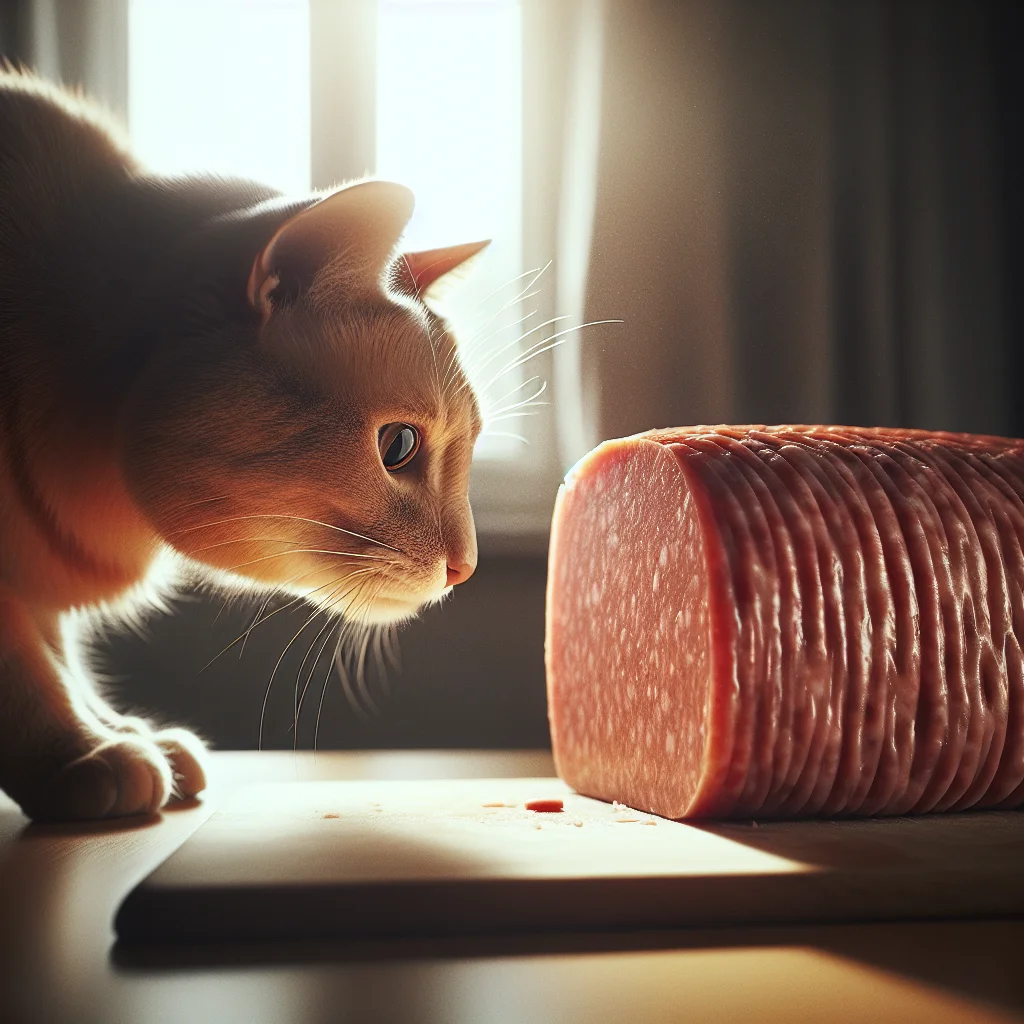
If you suspect your pet has ingested this food, do not wait for symptoms. Contact your veterinarian immediately.
Bologna is a cautionary food for cats due to its high sodium content and preservative additives like nitrites. These factors can lead to health complications, including gastrointestinal upset and sodium ion poisoning. While not acutely toxic, regular consumption of bologna can compromise a cat's health.
Why is Bologna Not Ideal for Cats?
Bologna, commonly containing high levels of sodium and preservatives such as sodium nitrite, poses a risk to cats. These ingredients can disrupt their sensitive digestive systems. High sodium levels can lead to dehydration and even sodium ion poisoning if consumed in significant quantities. Sodium nitrite, a common preservative, might also cause oxidative damage in cats. Since their livers metabolize these substances differently than humans, it makes bologna an unsuitable regular treat for felines.
What Are the Symptoms of Bologna Consumption in Cats?
Cats that consume bologna may exhibit symptoms like vomiting, diarrhea, excessive thirst, and lethargy. In severe cases, they might experience tremors or seizures due to sodium ion poisoning. Cats are particularly sensitive to changes in their diet, and even small amounts of bologna can lead to marked digestive disturbances. Monitoring your pet for these symptoms is crucial after accidental ingestion.
How Much Bologna is Harmful to My Cat?
Even small amounts of bologna can be harmful due to its sodium and fat content. A small slice may not cause immediate harm but can contribute to long-term health issues if fed regularly. For a cat weighing around 10 pounds, even a small amount exceeding 40 mg of sodium can be problematic. Therefore, it's best to avoid feeding bologna to your feline friend entirely.
Can Occasional Bologna Treats Be Safe?
While an occasional bite might not cause immediate harm, it is not recommended due to the cumulative risk over time. Occasional consumption may not lead to acute symptoms but can contribute to a gradual decline in health, particularly affecting kidney function and cardiovascular health due to high sodium levels. Opting for cat-specific treats is a safer and healthier choice.
What Should I Do If My Cat Eats Bologna?
If your cat accidentally consumes bologna, monitor them closely for any symptoms of distress, such as vomiting or lethargy. Provide plenty of fresh water to help flush out excess sodium and contact your veterinarian for advice. If severe symptoms like tremors or seizures occur, seek veterinary attention immediately as these may indicate sodium ion poisoning.
Toxicity Levels
| Type | Amount | Risk |
|---|---|---|
| Bologna | Slice | Cumulative health risk if regular |
| Sodium | 40 mg | Potential sodium ion poisoning |
| Preservatives | Varies | Oxidative damage |
| Fat | High | Obesity and heart disease |
| Processed Meats | Regular intake | Health deterioration |
Symptoms to Watch For
- Vomiting
- Diarrhea
- Excessive Thirst
- Lethargy
- Tremors
Frequently Asked Questions
Is bologna poisonous to cats?
Can cats eat processed meats?
What meats are safe for cats?
Why is sodium dangerous for cats?
How to prevent my cat from eating unsafe foods?