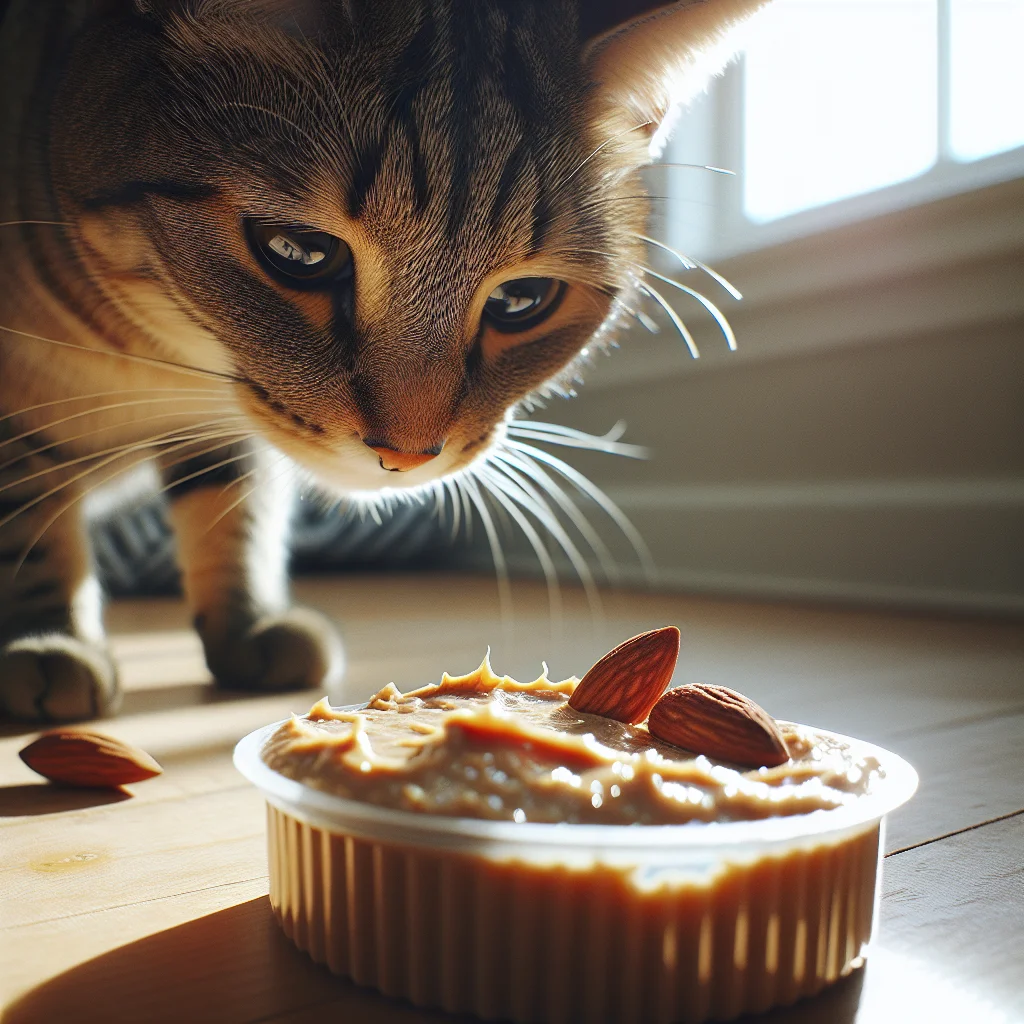
If you suspect your pet has ingested this food, do not wait for symptoms. Contact your veterinarian immediately.
Almond butter is not toxic to cats, but it should be given with caution. The primary concern lies in its high fat content, which can lead to digestive issues, such as pancreatitis, when consumed in large amounts. Additionally, almonds contain small quantities of cyanogenic glycosides, which can be problematic if ingested in significant quantities. While a small lick won't harm your cat, regularly offering almond butter is not advisable due to these potential health risks.
Why Is Almond Butter Risky for Cats?
Almond butter, like other nut butters, is dense in fats and calories. Cats, having evolved as obligate carnivores, are not naturally equipped to handle high-fat diets. This can lead to obesity and related health complications. Furthermore, although almond butter does not contain xylitol, a common sweetener in some nut butters that is highly toxic to cats, the natural oils and fats can still cause digestive upsets. If your cat consumes a significant amount, monitor for signs of diarrhea or vomiting.
What Are the Symptoms of Almond Butter Ingestion?
If your cat accidentally consumes a larger amount of almond butter, you might observe symptoms such as vomiting, diarrhea, or lethargy. These symptoms are due to the high fat content overwhelming their digestive system. In severe cases, pancreatitis can develop, characterized by abdominal pain and more prolonged vomiting. Immediate veterinary consultation is advised if these symptoms are observed.
Can Almond Butter Be a Regular Treat for Cats?
Given the potential risks, almond butter should not become a regular part of your cat's diet. While a small taste might not cause immediate harm, the cumulative effects of frequent high-fat treats can lead to long-term health issues. Opt instead for cat-specific treats that are nutritionally balanced. Always consult your veterinarian before introducing any new food to your pet's diet.
Are There Safe Alternatives to Almond Butter for Cats?
If you're looking for a treat to share with your feline friend, consider options specifically made for cats. These are designed to provide enjoyment without compromising their health. Simple raw fish, cooked chicken, or commercially available cat treats are safer and more appropriate choices. Always ensure any treat is offered in moderation.
What Should You Do If Your Cat Eats Almond Butter?
If your cat has consumed almond butter, observe them for any signs of distress. If symptoms such as vomiting or diarrhea occur, contact your vet promptly. It's helpful to provide your veterinarian with information about the quantity ingested and the time frame, to assist in assessing the potential risk and necessary intervention.
Toxicity Levels
| Type | Amount | Risk |
|---|---|---|
| Small taste | 1-2 licks | Low |
| Spoonful | 1 tablespoon | Moderate |
| Multiple spoonfuls | 3 tablespoons | High |
| Frequent consumption | Daily | Very High |
| Large quantity | More than 3 tablespoons | Severe |
Symptoms to Watch For
- Vomiting
- Diarrhea
- Lethargy
- Abdominal Pain
- Increased Alertness or Restlessness
Frequently Asked Questions
Is almond butter toxic to cats?
What should I do if my cat eats almond butter?
Can almond butter cause pancreatitis in cats?
Are there any safe nuts or nut butters for cats?
How much almond butter is safe for a cat?