
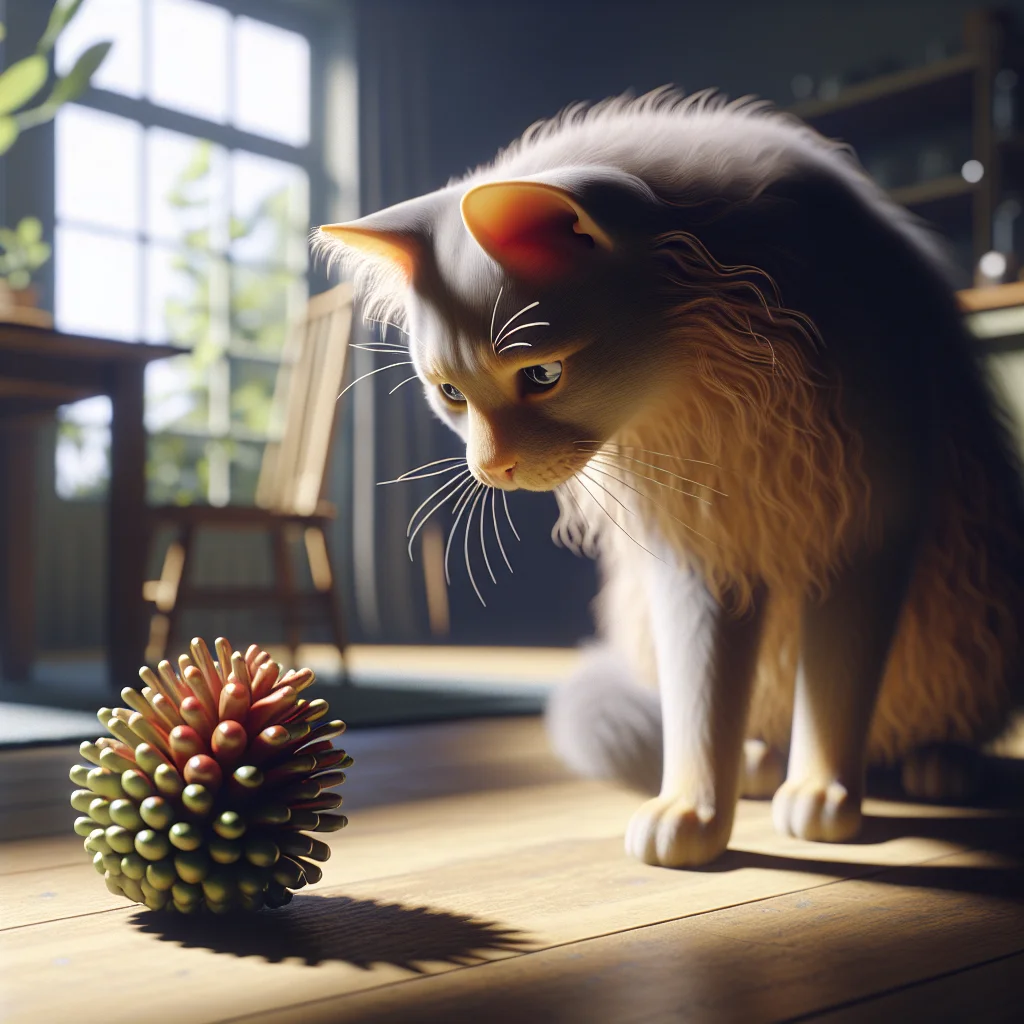
Pineberries are safe for cats. These unique fruits, a white variant of strawberries, do not contain harmful substances for felines. Unlike grapes or chocolate, which contain toxic elements for cats, pineberries are free from such dangers. Owners can feel at ease knowing that sharing a pineberry with their cat won't lead to a toxic reaction.
Are Pineberries Safe for Cats to Consume?
Pineberries hold no toxicity risk for cats. These fruits, characterized by their white flesh and red seeds, are a safe option for your feline companion. While pineberries are safe, they should be offered in moderation due to their sugar content. Cats, being obligate carnivores, require a diet primarily composed of proteins and fats. An occasional pineberry treat won't harm, but it shouldn't replace their balanced diet. Always observe your cat after introducing any new food, ensuring there are no adverse reactions.
What Are the Nutritional Benefits of Pineberries for Cats?
While pineberries are safe, they don't offer significant nutritional benefits for cats. These fruits are rich in vitamin C and fiber, which are more beneficial to humans than felines. Cats inherently produce their own vitamin C, so the additional intake from pineberries isn’t necessary. However, the moisture content in pineberries can provide some hydration. It's crucial to remember that cats’ dietary needs are distinct from humans, and fruits should only be a minor part of their diet, if at all.
How Should Pineberries Be Prepared Before Feeding to Cats?
Preparing pineberries for your cat is straightforward. Ensure they are thoroughly washed to remove any pesticides or residues. Remove the stem and leaves, as these parts can be difficult for cats to digest. Cut the pineberry into small, manageable pieces to prevent choking hazards. Offering a small piece initially allows you to monitor your cat’s reaction and ensure they enjoy this new treat without any issues.
What Are the Signs That a Cat Doesn’t Tolerate Pineberries Well?
Most cats won’t experience any issues with pineberries. However, if a cat is intolerant, symptoms such as vomiting, diarrhea, or changes in appetite might occur. These signs usually appear shortly after consumption. If you notice any of these symptoms, discontinue feeding pineberries and consult your veterinarian. It’s crucial to observe your cat’s behavior and physical responses to any new food to ensure their well-being.
How Frequently Can Cats Eat Pineberries?
Given their sugar content, pineberries should be an occasional treat rather than a regular part of a cat's diet. Once a week or sporadically is sufficient if your cat enjoys them. Moderation is key, as excessive sugar can lead to obesity and other health issues in cats. Always prioritize a balanced diet tailored to your cat’s specific needs, ensuring they receive all necessary nutrients for a healthy life.
Toxicity Levels
| Type | Amount | Risk |
|---|---|---|
| Pineberry | Small piece | None |
| Pineberry | Multiple pieces | Low |
| Pineberry | Large quantity | Moderate |
| Pineberry Leaves | Any | Digestive Issue |
| Pineberry | Weekly treat | None |
Symptoms to Watch For
- Vomiting
- Diarrhea
- Decreased Appetite
- Itching
- Swelling
Frequently Asked Questions
Can pineberries cause allergies in cats?
Is it necessary to wash pineberries before giving them to cats?
Can kittens eat pineberries?
What should I do if my cat shows signs of distress after eating pineberries?
Are there other fruits that are safe for cats?