If you suspect your pet has ingested this food, do not wait for symptoms. Contact your veterinarian immediately.
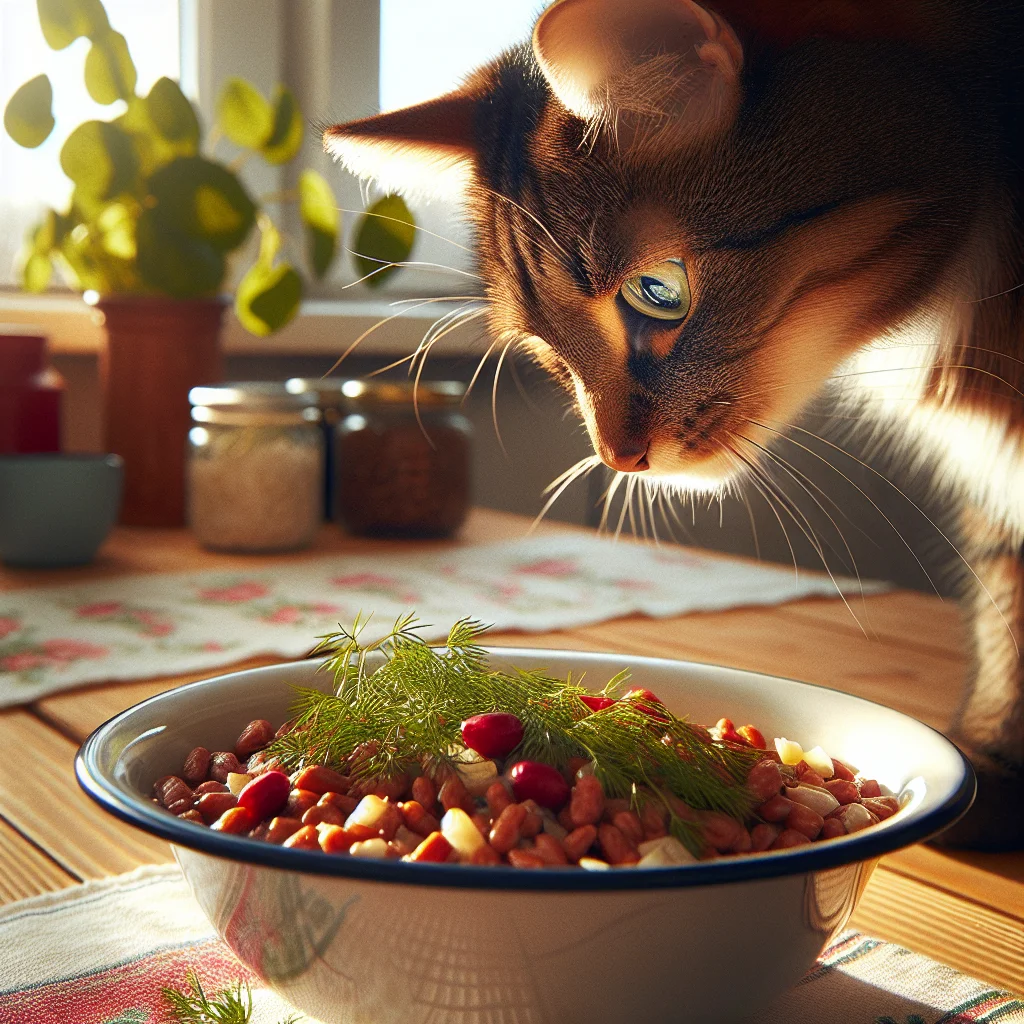
Okroshka is toxic to cats. The primary concern with feeding Okroshka to your feline companion lies in its ingredients. Okroshka typically contains onions, garlic, and sometimes dairy or mayonnaise, all of which can be harmful to cats. Onions and garlic contain thiosulfate, which can cause oxidative damage to red blood cells, leading to hemolytic anemia in cats. Dairy products may cause digestive upset in lactose-intolerant cats, and mayonnaise can add unnecessary fats leading to obesity or pancreatitis. While Okroshka is a beloved dish among humans, it's best kept away from the paws of your curious kitty.
What are the symptoms of Okroshka poisoning in cats?
If your cat consumes Okroshka, you may notice several concerning symptoms. Hemolytic anemia, due to onion or garlic ingestion, can manifest as lethargy, weakness, pale gums, and reduced appetite. Vomiting and diarrhea are common signs if the cat has ingested dairy or mayonnaise, which can also cause abdominal pain and cramping. In severe cases, your cat might experience rapid breathing or an increased heart rate. Immediate veterinary attention is crucial if you observe these symptoms, as untreated hemolytic anemia can be life-threatening.
Why are onions and garlic in Okroshka dangerous for cats?
Onions and garlic are common ingredients in Okroshka, imparting a distinctive flavor that humans enjoy. However, these ingredients contain compounds called thiosulfates, which are toxic to cats. When ingested, thiosulfates cause oxidative damage to a cat's red blood cells, leading to a condition known as hemolytic anemia. Cats lack the specific enzyme needed to metabolize these compounds effectively, making them highly susceptible. Even a small amount of onion or garlic can be dangerous, so it's important to keep Okroshka away from your cat's reach.
Can dairy in Okroshka upset a cat's stomach?
Many Okroshka recipes include dairy products such as kefir or sour cream, which can upset a cat's stomach. Most adult cats are lactose intolerant, meaning they cannot properly digest lactose, the sugar found in milk and dairy products. Ingesting dairy can lead to gastrointestinal issues such as diarrhea, vomiting, and abdominal pain. While not life-threatening, these symptoms can cause significant discomfort for your cat and may require a vet visit if they persist. Avoid feeding your cat any dairy-containing foods, including Okroshka, to prevent digestive upset.
How can mayonnaise in Okroshka harm cats?
Mayonnaise is occasionally used in Okroshka to add creaminess, but it can harm cats. Mayonnaise is high in fat, and consuming fatty foods can lead to obesity and pancreatitis in cats. Pancreatitis is an inflammation of the pancreas and can cause vomiting, lethargy, and abdominal pain. Obesity, on the other hand, can lead to a host of health issues, including diabetes and joint problems. It's important to monitor your cat's diet and avoid giving them foods high in unhealthy fats, such as mayonnaise-laden Okroshka.
What should I do if my cat eats Okroshka?
If your cat manages to eat Okroshka, observe them closely for any signs of illness. Monitor for symptoms such as vomiting, diarrhea, lethargy, or pale gums. If you notice any of these symptoms or if you know your cat consumed a significant amount of Okroshka, contact your veterinarian immediately. Provide them with details about what your cat ate and how much. Early intervention can prevent serious health issues and ensure your cat remains safe and healthy. Remember, prevention is key, so keep Okroshka and other toxic foods out of your cat's reach.
Toxicity Levels
| Type | Amount | Risk |
|---|---|---|
| Onions | Small | High |
| Garlic | Small | High |
| Dairy | Moderate | Moderate |
| Mayonnaise | Moderate | Moderate |
| Okroshka | Any | High |
Symptoms to Watch For
- Vomiting
- Diarrhea
- Lethargy
- Pale Gums
- Weakness
Frequently Asked Questions
Can one bite of Okroshka harm my cat?
Are all cats lactose intolerant?
What should I do if my cat shows symptoms of poisoning?
Can I make a cat-safe version of Okroshka?
How can I prevent my cat from eating human foods?