
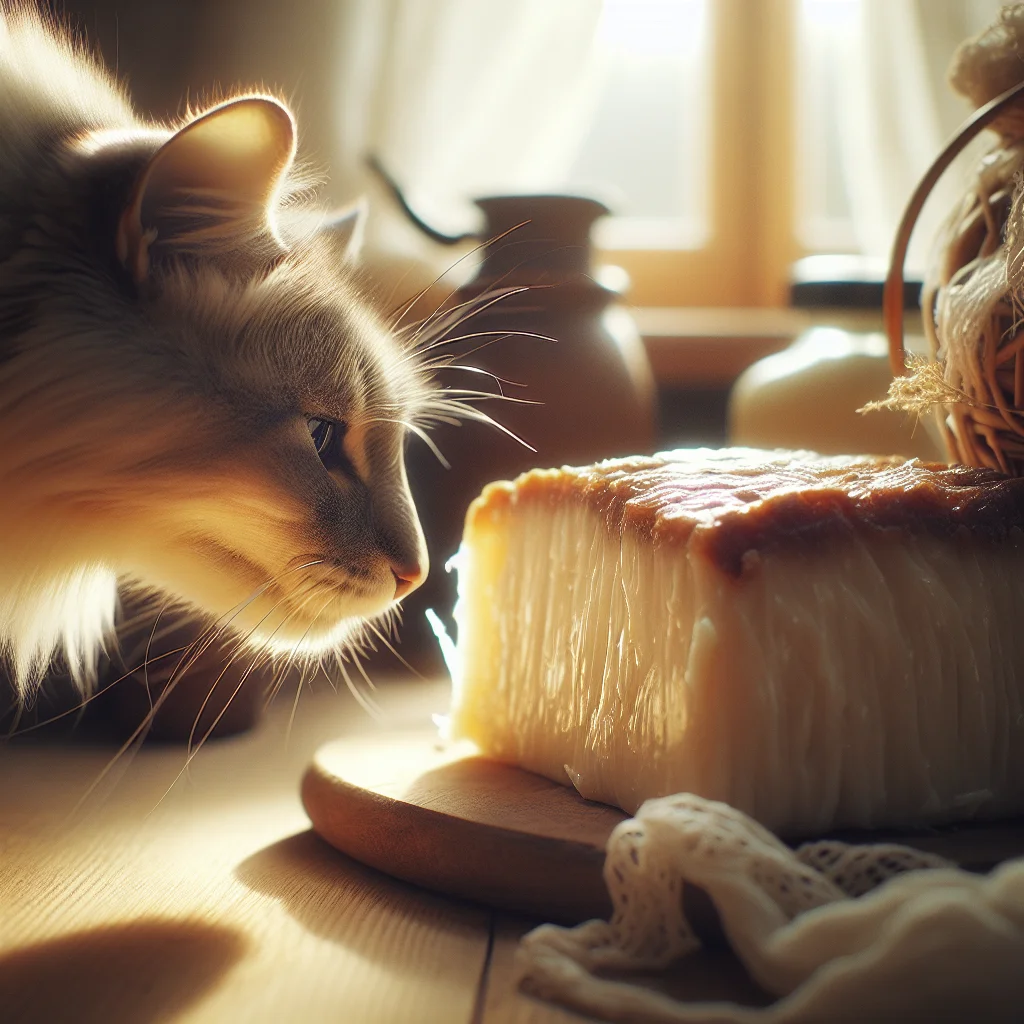
If you suspect your pet has ingested this food, do not wait for symptoms. Contact your veterinarian immediately.
Lard is generally considered safe for cats in very small quantities, but caution is necessary due to potential health risks. Lard, a rendered form of pork fat, is high in saturated fats, which can lead to obesity and pancreatitis in cats when consumed regularly or in large amounts. The delicate balance of a cat's diet can be disrupted, leading to serious health issues.
Is Lard Harmful to Cats?
Cats are obligate carnivores, requiring a diet rich in animal protein and low in carbohydrates. Lard, although derived from animals, is predominantly fat, lacking the essential nutrients that cats need. Consuming large amounts can lead to obesity, which is a significant concern as it can cause diabetes, joint pain, and liver disease. Furthermore, excessive fat intake can lead to pancreatitis, a painful and potentially life-threatening inflammation of the pancreas.
What Happens If a Cat Eats Lard?
If a cat accidentally ingests a small amount of lard, it may not experience immediate adverse effects. However, if lard becomes a regular part of their diet, the cat may develop signs of gastrointestinal distress such as vomiting and diarrhea. Over time, the high-fat content can contribute to obesity and related health problems. Always monitor your cat's health and behavior after consuming lard and consult your veterinarian if you notice any worrying symptoms.
How Much Lard Is Considered Too Much for a Cat?
There is no precise amount of lard that can be deemed safe for cats, as individual tolerance can vary. However, it is generally advised to avoid feeding cats lard intentionally. Even a small teaspoon of lard occasionally can be too much if your cat is prone to weight gain or has a sensitive digestive system. It's better to provide fats from healthier sources like fish oils, which offer beneficial omega-3 fatty acids.
What Alternatives to Lard Are Safe for Cats?
For cat owners looking to provide dietary fats, there are safer alternatives than lard. Fish oil, for instance, is an excellent source of omega-3 fatty acids, which can promote healthy skin and coat. Chicken or turkey fat, sparingly used, can also be more suitable. Always ensure any dietary changes are discussed with a veterinarian to tailor to your cat's specific health needs.
What Are the Symptoms of Lard Overconsumption in Cats?
Signs that a cat has consumed too much lard include vomiting, diarrhea, lethargy, and abdominal discomfort. In severe cases, pancreatitis may develop, characterized by symptoms such as fever, dehydration, and loss of appetite. If your cat exhibits any of these symptoms, immediate veterinary attention is crucial to manage the condition effectively.
Toxicity Levels
| Type | Amount | Risk |
|---|---|---|
| Fat Content | High | Obesity, Pancreatitis |
| Saturated Fats | High | Heart Disease |
| Omega-3 Fatty Acids | Low | Nutritional Imbalance |
| Calories | High | Weight Gain |
| Nutritional Value | Low | Dietary Deficiency |
Symptoms to Watch For
- Vomiting
- Diarrhea
- Lethargy
- Abdominal Discomfort
- Fever
Frequently Asked Questions
Can lard cause long-term health issues in cats?
Is there any nutritional benefit of lard for cats?
How can I tell if my cat has eaten too much lard?
Can I use lard in homemade cat food recipes?
What should I do if my cat accidentally eats lard?