
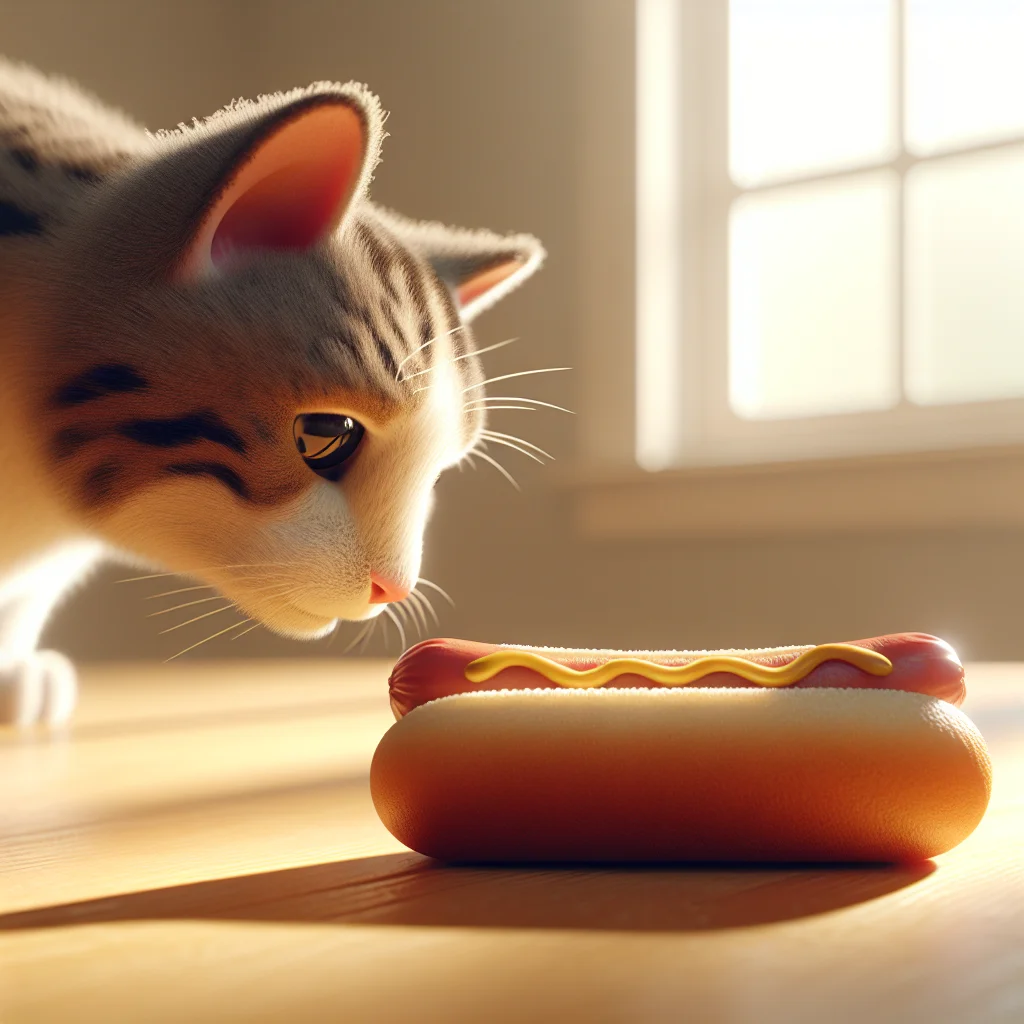
If you suspect your pet has ingested this food, do not wait for symptoms. Contact your veterinarian immediately.
Hot dogs are toxic for cats. The primary concern lies in the processed nature of hot dogs, which often contain high levels of sodium, preservatives, and spices that are unsuitable for feline consumption. Sodium nitrate, in particular, is a preservative in hot dogs that can lead to sodium ion poisoning in cats, causing symptoms such as vomiting, diarrhea, and excessive thirst.
What are the Risks of Feeding Hot Dogs to Cats?
Feeding hot dogs to cats presents several risks due to their high sodium content and the presence of preservatives. Cats have a much lower tolerance for sodium compared to humans. Excessive sodium can lead to dehydration and kidney issues, potentially causing long-term health problems. Additionally, hot dogs often contain onion and garlic powder, which are highly toxic to cats and can result in hemolytic anemia.
Can Hot Dogs Cause Allergic Reactions in Cats?
Cats can experience allergic reactions to various ingredients found in hot dogs. Common allergens include preservatives, artificial flavors, and even the meat itself, especially if the cat has not been exposed to it before. Allergic reactions can manifest as skin irritations, itching, and gastrointestinal distress. It's crucial to observe your cat closely if they accidentally ingest hot dogs and consult a veterinarian if any adverse symptoms appear.
What Are the Symptoms of Sodium Ion Poisoning in Cats?
Sodium ion poisoning is a serious condition that can occur when cats consume foods high in sodium, like hot dogs. Symptoms may include vomiting, diarrhea, lethargy, and excessive thirst or urination. In severe cases, it can lead to tremors, seizures, or even coma. Immediate veterinary care is essential if sodium ion poisoning is suspected, as it can progress rapidly and become life-threatening.
Are There Any Safe Alternatives to Hot Dogs for Cats?
If you're looking to treat your cat with a special snack, consider safer alternatives such as cooked, unseasoned chicken or turkey. These options provide protein without the harmful additives found in hot dogs. Always introduce new foods gradually and in moderation, keeping a close eye on your cat's reaction. Consulting with your veterinarian before making changes to your cat's diet is advisable to ensure their safety and health.
Can Cats Digest Processed Meats Like Hot Dogs?
Cats are obligate carnivores, meaning their digestive systems are specifically adapted to process meat. However, processed meats, such as hot dogs, are often loaded with additives and preservatives that cats cannot digest properly. These additives can upset the feline digestive tract, leading to symptoms like vomiting or diarrhea. For optimal health, it's best to feed cats fresh, high-quality meats that align with their natural dietary needs.
Toxicity Levels
| Type | Amount | Risk |
|---|---|---|
| Hot Dog | Small Piece | Moderate |
| Hot Dog | Half | High |
| Hot Dog | Whole | Severe |
| Hot Dog | With Onion | Critical |
| Hot Dog | With Garlic | Critical |
Symptoms to Watch For
- Vomiting
- Diarrhea
- Lethargy
- Excessive Thirst
- Tremors
Frequently Asked Questions
Can a small piece of hot dog harm my cat?
What should I do if my cat eats a hot dog?
Why are hot dogs harmful to cats?
Are all processed meats dangerous for cats?
Can I give my cat any human foods safely?