If you suspect your pet has ingested this food, do not wait for symptoms. Contact your veterinarian immediately.
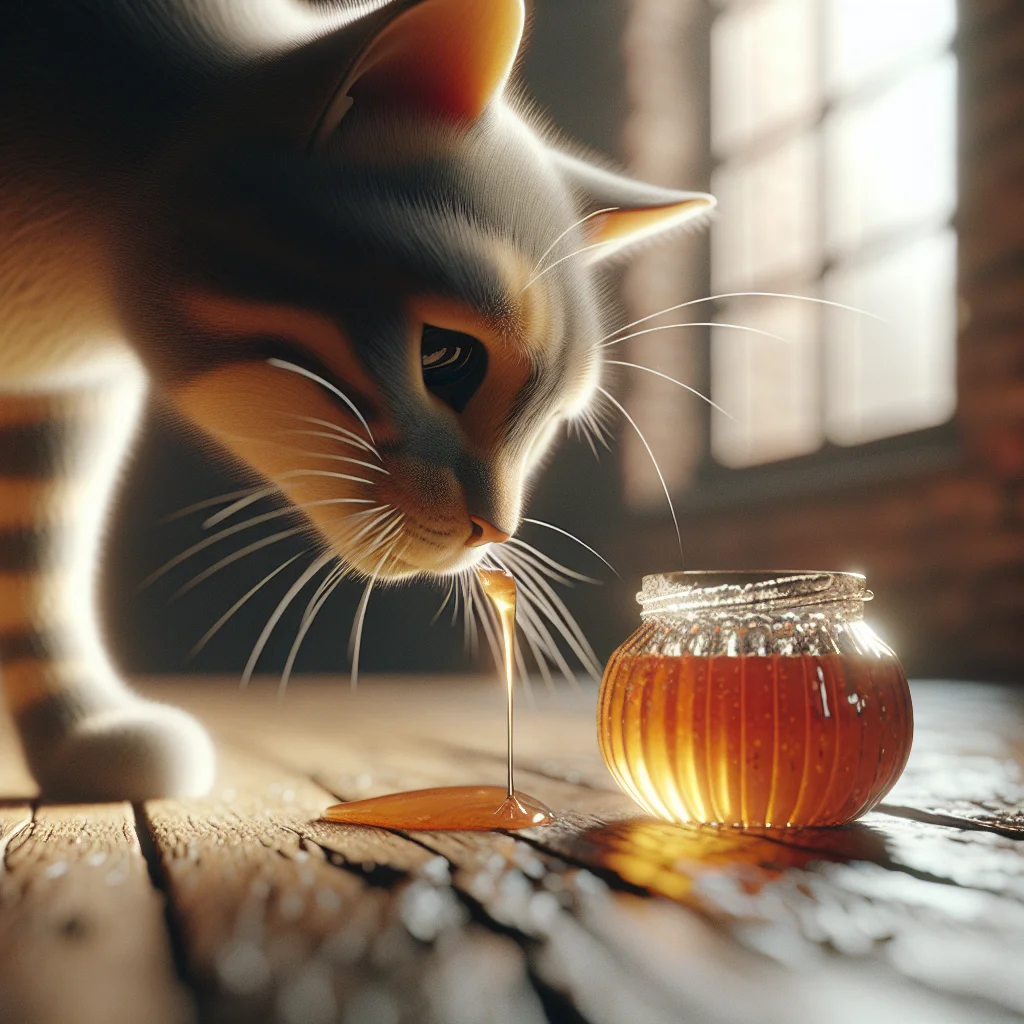
When it comes to honey, caution is advised for our feline friends. Cats are obligate carnivores, and their digestive systems are not equipped to handle sugars effectively. Honey, with its high sugar content, can lead to digestive upset and potential health issues in cats.
What Happens If a Cat Eats Honey?
Feeding honey to cats can result in a range of digestive disturbances. Due to their inability to process sugars, cats may experience vomiting or diarrhea after consuming honey. Additionally, the high caloric content in honey can contribute to obesity, which is a growing concern in feline health. Cats lack the enzyme glucokinase in their liver, which is crucial for processing sugar, making honey a less-than-ideal treat.
How Much Honey Can Cause Health Issues in Cats?
Even small quantities of honey can lead to health problems in cats. A teaspoon of honey contains approximately 17 grams of sugar, which is significant for a creature with a small body mass like a cat. Repeated consumption can exacerbate these issues, leading to weight gain and an increased risk of diabetes. Therefore, it's crucial to limit or entirely avoid giving honey to cats.
Are There Any Benefits to Giving Cats Honey?
While honey is known for its natural antimicrobial properties and can be beneficial for humans, these benefits do not translate to cats. Cats derive their nutrition primarily from animal proteins, and honey provides no essential nutrients that they require. The risk of digestive upset and potential health complications outweighs any minimal benefits honey might offer.
What Should I Do If My Cat Consumes Honey?
If your cat accidentally ingests honey, monitor them closely for any signs of distress such as vomiting, diarrhea, or lethargy. Most cats will recover without veterinary intervention, but if symptoms persist, consult a veterinarian. It's always better to err on the side of caution and seek professional advice to ensure the well-being of your pet.
Are There Safe Alternatives to Honey for Cats?
If you're looking to give your cat a sweet treat, it's best to stick to products specifically formulated for feline consumption. Cat treats available in pet stores are designed to be both safe and nutritious. Alternatively, small amounts of cooked meat can also serve as a delightful and healthy reward.
Toxicity Levels
| Type | Amount | Risk |
|---|---|---|
| Small Amount | 1 teaspoon | Mild digestive upset |
| Moderate Amount | 1 tablespoon | Severe digestive upset |
| Large Amount | Multiple tablespoons | Obesity and diabetes risk |
| Repeated Consumption | Daily | Chronic health issues |
| Kittens | Any amount | Severe health risk |
Symptoms to Watch For
- Vomiting
- Diarrhea
- Lethargy
- Weight Gain
- Increased Diabetes Risk
Frequently Asked Questions
Can honey be used to treat cat wounds?
Is honey toxic to cats in large quantities?
Can kittens eat honey?
Why do some pet owners give cats honey?
What should I do if my cat likes the taste of honey?