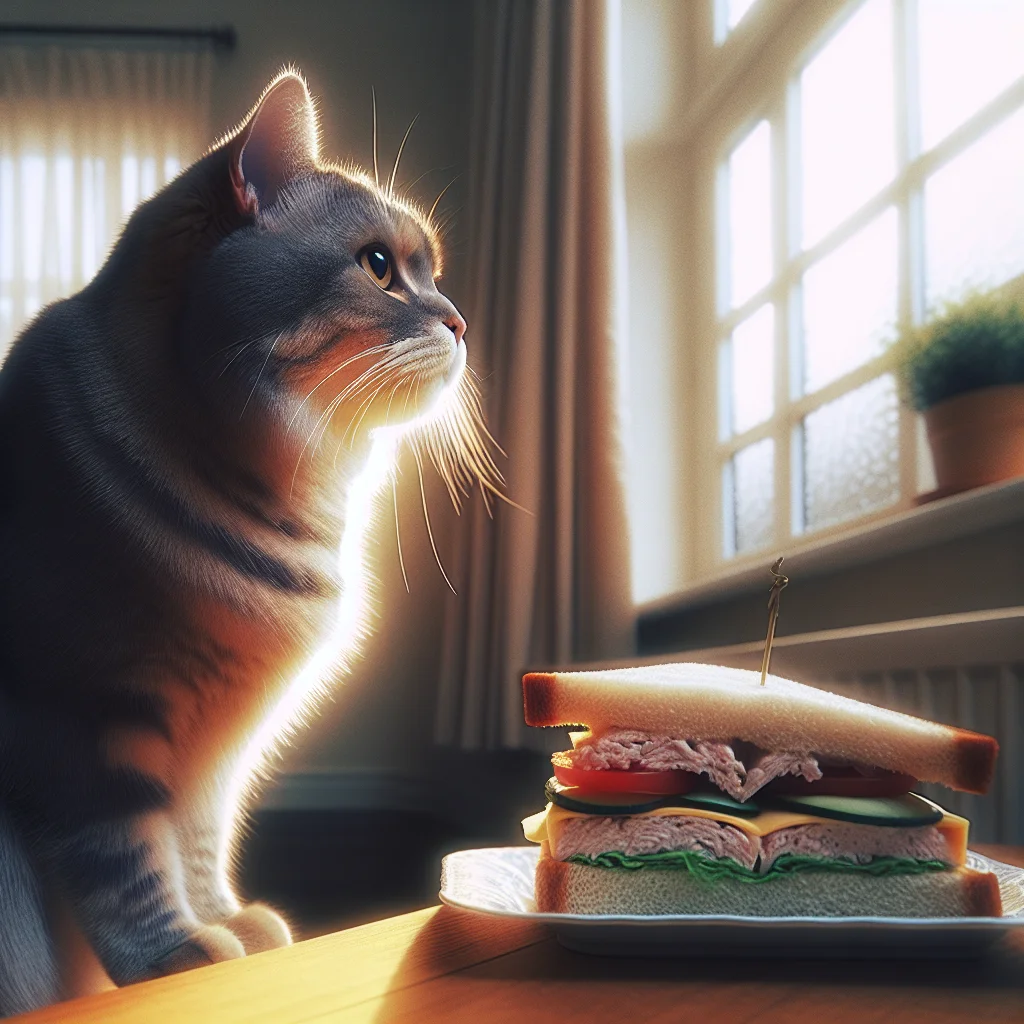
If you suspect your pet has ingested this food, do not wait for symptoms. Contact your veterinarian immediately.
Club sandwiches, a popular human delicacy, are not safe for cats to consume. The complex combination of ingredients like deli meats, bacon, mayonnaise, and bread can pose significant risks to a cat's health. Deli meats and bacon are high in sodium and fats, which can lead to obesity and sodium poisoning. Mayonnaise contains oils and eggs which are not suitable for a cat's digestive system. Furthermore, bread provides no nutritional benefit to cats. Each component can contribute to gastrointestinal issues and more severe health consequences.
What Ingredients in Club Sandwiches Are Harmful to Cats?
The primary ingredients in club sandwiches include deli meats, bacon, mayonnaise, lettuce, tomato, and bread. Deli meats and bacon are processed with high levels of sodium and preservatives, which can lead to sodium ion poisoning in cats, characterized by vomiting, diarrhea, and lethargy. Mayonnaise is rich in fats that can cause pancreatitis, leading to abdominal pain and vomiting. Bread, while not toxic, is a carbohydrate source that offers no real benefit to a carnivorous diet and can lead to unnecessary weight gain. Lettuce and tomato, although not inherently toxic, offer minimal nutrition and can sometimes cause mild digestive upset.
How Does Sodium Affect Cats?
Sodium, a mineral found in deli meats and bacon, can be particularly dangerous for cats in large quantities. Cats require some sodium in their diet, but excessive sodium can lead to hypernatremia, or sodium ion poisoning. Symptoms of this condition include increased thirst, urination, vomiting, diarrhea, and in severe cases, tremors or seizures. It is crucial to monitor your cat for these symptoms if they ingest high-sodium foods and consult a veterinarian immediately. Providing fresh water and avoiding salty human foods are key steps in preventing sodium-related health issues in cats.
What Should I Do If My Cat Eats a Club Sandwich?
If your cat manages to sneak a bite of your club sandwich, observe them closely for any signs of distress or unusual behavior. Look out for symptoms like vomiting, diarrhea, or lethargy. If any of these symptoms occur, contact your veterinarian immediately. They may recommend bringing your cat in for evaluation and potential treatment. It’s also helpful to provide your vet with information about the sandwich's components and how much your cat consumed. Keeping human food out of your cat's reach is the best way to prevent such incidents.
Are There Safe Alternatives for Cats?
While club sandwiches are best kept out of reach, there are safe and healthy treats you can offer your feline friend. Consider cooked, plain meats like chicken or turkey, which can be a nutritious addition to their diet. Some cats enjoy small amounts of plain, cooked fish as well. Always ensure these treats are free from seasonings, sauces, and bones. Commercial cat treats are also a good option, as they are specifically formulated to meet the dietary needs of cats. Remember, treats should not constitute more than 10% of your cat’s daily caloric intake.
Why Do Cats Seek Out Human Food?
Cats are naturally curious creatures and may show interest in human food due to its appealing smell or because they see their owners eating it. This does not mean they need or should eat it. Cats have specific dietary requirements that are best met with high-quality cat food. Human foods often contain ingredients that are harmful or non-beneficial to cats. To satisfy your cat's curiosity safely, offer them interactive toys or puzzles that can stimulate their senses without compromising their health.
Toxicity Levels
| Type | Amount | Risk |
|---|---|---|
| Deli Meats | Small | Moderate |
| Bacon | Small | High |
| Mayonnaise | Moderate | High |
| Bread | Large | Low |
| Lettuce | Moderate | Low |
| Tomato | Moderate | Low |
Symptoms to Watch For
- Vomiting
- Diarrhea
- Lethargy
- Seizures
- Increased Thirst
Frequently Asked Questions
Can cats eat deli meats?
Is mayonnaise dangerous for cats?
Why is bread not suitable for cats?
Can I give my cat bacon?
What do I do if my cat eats something harmful?