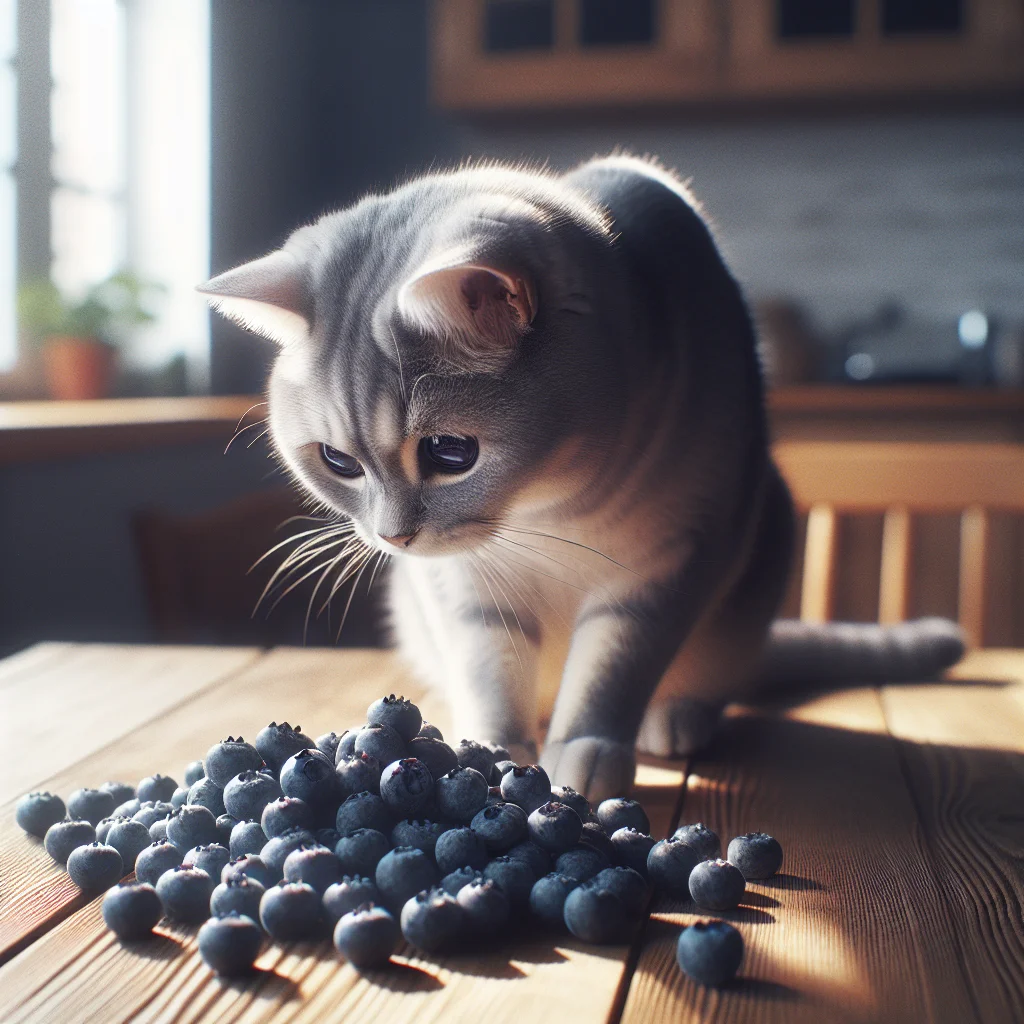
Safe! Blueberries, known scientifically as Vaccinium corymbosum, are non-toxic to cats. While cats are obligate carnivores and do not require fruits in their diet, the occasional blueberry can be a healthy treat. The key active compounds in blueberries are antioxidants, which help in neutralizing harmful free radicals. Unlike some other fruits, blueberries do not contain harmful elements like cyanogenic glycosides found in other foods.
Can Cats Digest Blueberries?
Cats can digest blueberries, but their ability to process plant material is limited. Cats lack the enzyme amylase in their saliva, which is needed to break down carbohydrates. However, in small amounts, blueberries are generally well tolerated. When introducing any new food, observe your cat for any gastrointestinal disturbances like diarrhea or vomiting. The fibrous content may aid in digestion, but excessive quantities can lead to discomfort.
How Many Blueberries Can a Cat Eat?
Moderation is crucial. A maximum of two to three blueberries per week is a safe guideline. Overfeeding can lead to digestive issues due to the fiber content and natural sugars. Always serve blueberries in small, manageable pieces to prevent choking. Freeze-dried blueberries can be a convenient option, but ensure they contain no added sugars or preservatives.
Are There Health Benefits of Blueberries for Cats?
Yes, blueberries offer several benefits. They are packed with antioxidants like vitamin C and E, which help boost the immune system. Although cats synthesize their own vitamin C, an extra boost can be beneficial in stressful situations. Blueberries also contain manganese and vitamin K, supporting bone health and proper blood clotting. Remember, these benefits are secondary to a balanced meat-based diet.
What Are the Risks of Feeding Blueberries to Cats?
While blueberries are safe, potential risks include gastrointestinal upset if consumed in large quantities. Monitor your cat for any allergic reactions, though rare, such as itching or swelling. Ensure the blueberries are clean and free of pesticides. Avoid feeding blueberry-flavored products as they may contain harmful additives or artificial sweeteners like xylitol, which is toxic to cats.
Should Blueberries Be a Regular Part of a Cat's Diet?
Blueberries should remain an occasional treat rather than a staple in your cat's diet. Cats require a diet high in protein and fats from animal sources. While blueberries can be a fun and healthy addition, they do not provide the essential nutrients that feline physiology demands. Always consult with a veterinarian before making significant changes to your cat's diet.
Toxicity Levels
| Type | Amount | Risk |
|---|---|---|
| Fresh Blueberries | 1-2 berries | Low |
| Frozen Blueberries | 1-2 berries | Low |
| Blueberry Juice | Small sip | Moderate |
| Blueberry Muffin | None | High |
| Blueberry Yogurt | None | High |
Symptoms to Watch For
- Vomiting
- Diarrhea
- Itching
- Swelling
- Fatigue
Frequently Asked Questions
Can blueberries cause allergies in cats?
Do blueberries provide any nutritional benefits for cats?
How should I introduce blueberries to my cat?
Can I feed my cat blueberry-flavored products?
Are frozen blueberries safe for cats?