
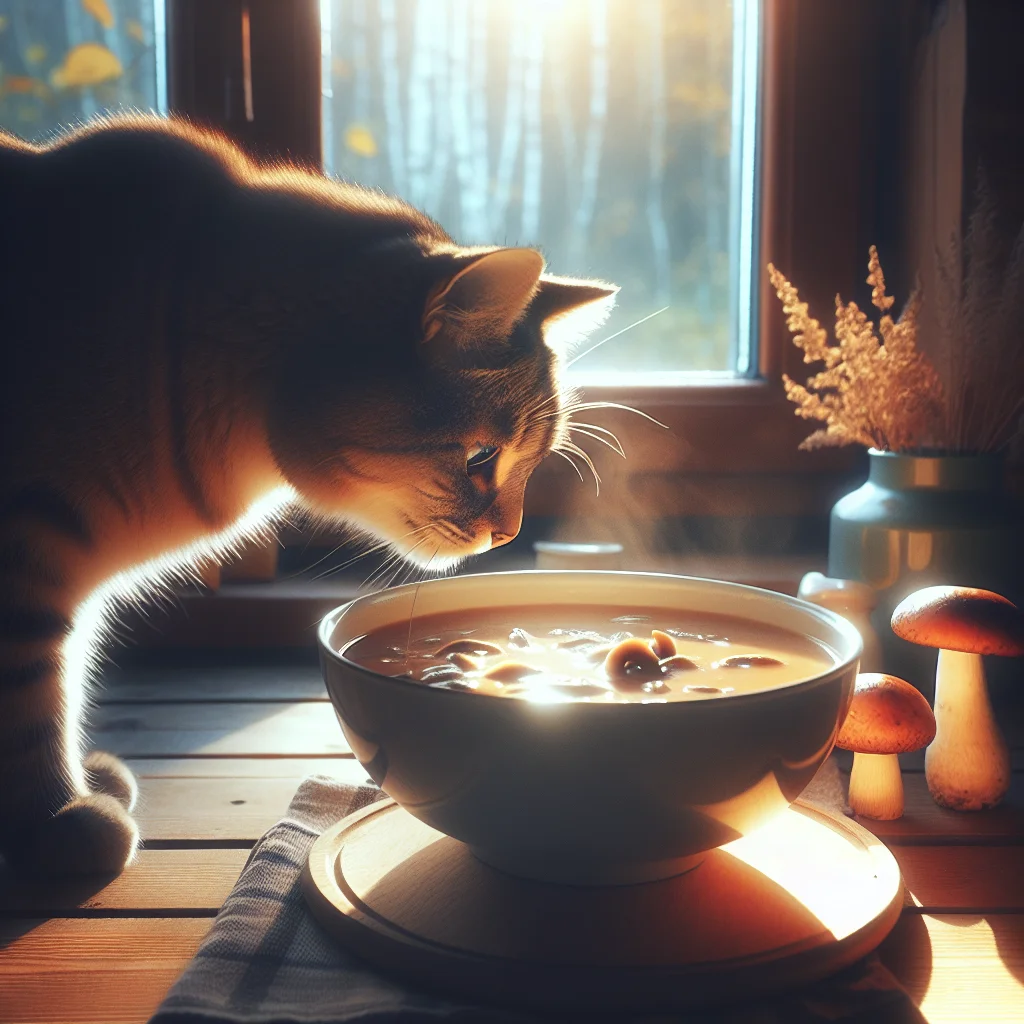
If you suspect your pet has ingested this food, do not wait for symptoms. Contact your veterinarian immediately.
Mushroom soup is not inherently toxic for cats, but caution is advised. While common mushrooms used in soups, such as button mushrooms, are generally safe in small amounts, the soup may contain other ingredients that pose risks. The primary concern is the presence of harmful additives like onions, garlic, or excessive salt, which can be toxic to cats. These substances can lead to gastrointestinal distress or even more severe health issues due to their toxic compounds affecting a cat's red blood cells or causing anemia.
Can Cats Digest Mushrooms Safely?
Cats are obligate carnivores, meaning their digestive systems are optimized for processing meat rather than plant-based foods like mushrooms. While small amounts of certain mushrooms might pass through without issue, the digestive enzymes necessary to break down these fungi are not present in a cat’s system. This lack of enzymes can lead to digestive upset, including vomiting or diarrhea. Feeding your cat mushroom soup, especially one containing wild or exotic mushrooms, could introduce unknown toxins into their system.
What Ingredients in Mushroom Soup are Harmful to Cats?
Many mushroom soups contain ingredients that are harmful to cats. Onions and garlic are common in many recipes and can cause oxidative damage to a cat's red blood cells, leading to hemolytic anemia. Salt is another concern, as excessive sodium intake can lead to hypernatremia, resulting in symptoms like increased thirst, lethargy, and even kidney damage. Always scrutinize ingredient labels or homemade recipes to ensure they are free of these harmful substances before considering giving them to your cat.
What are the Symptoms of Mushroom Soup Toxicity in Cats?
If a cat consumes mushroom soup containing harmful ingredients, symptoms may manifest within a few hours. Common signs include vomiting, diarrhea, abdominal pain, drooling, and lethargy. In severe cases, the cat may suffer from jaundice, increased heart rate, or even collapse. Immediate veterinary attention is crucial if you suspect your cat has consumed toxic substances, as timely intervention can prevent severe health consequences.
How Can I Safely Introduce Mushrooms to My Cat's Diet?
If you wish to introduce mushrooms to your cat, it is crucial to do so with caution. Opt for plain, cooked mushrooms without any added seasonings or ingredients. Start with a small portion to monitor your cat's response. Always consult with a veterinarian before making any significant changes to your cat’s diet to ensure that it aligns with their nutritional needs and health status.
Are There Alternatives to Mushroom Soup for Cats?
For cat owners seeking to diversify their pet's diet, alternatives to mushroom soup are available. Consider offering plain cooked chicken or fish, which aligns more closely with a cat's dietary needs. Commercially prepared cat foods often provide balanced nutrition tailored to feline requirements. If you want to make your own treats, consult with a veterinarian to ensure the ingredients are safe and beneficial for your feline companion.
Toxicity Levels
| Type | Amount | Risk |
|---|---|---|
| Common Button Mushroom | Small | Low |
| Wild Mushroom | Any | High |
| Onion | Any | High |
| Garlic | Any | High |
| Salt | Excessive | Moderate |
| Cream | Moderate | Low |
| Pepper | Any | Moderate |
Symptoms to Watch For
- Vomiting
- Diarrhea
- Lethargy
- Drooling
- Abdominal Pain
Frequently Asked Questions
Can cats eat cooked mushrooms?
What should I do if my cat eats mushroom soup?
Are there safe mushroom types for cats?
How much salt is too much for cats?
Why are onions and garlic harmful to cats?