
If you suspect your pet has ingested this food, do not wait for symptoms. Contact your veterinarian immediately.
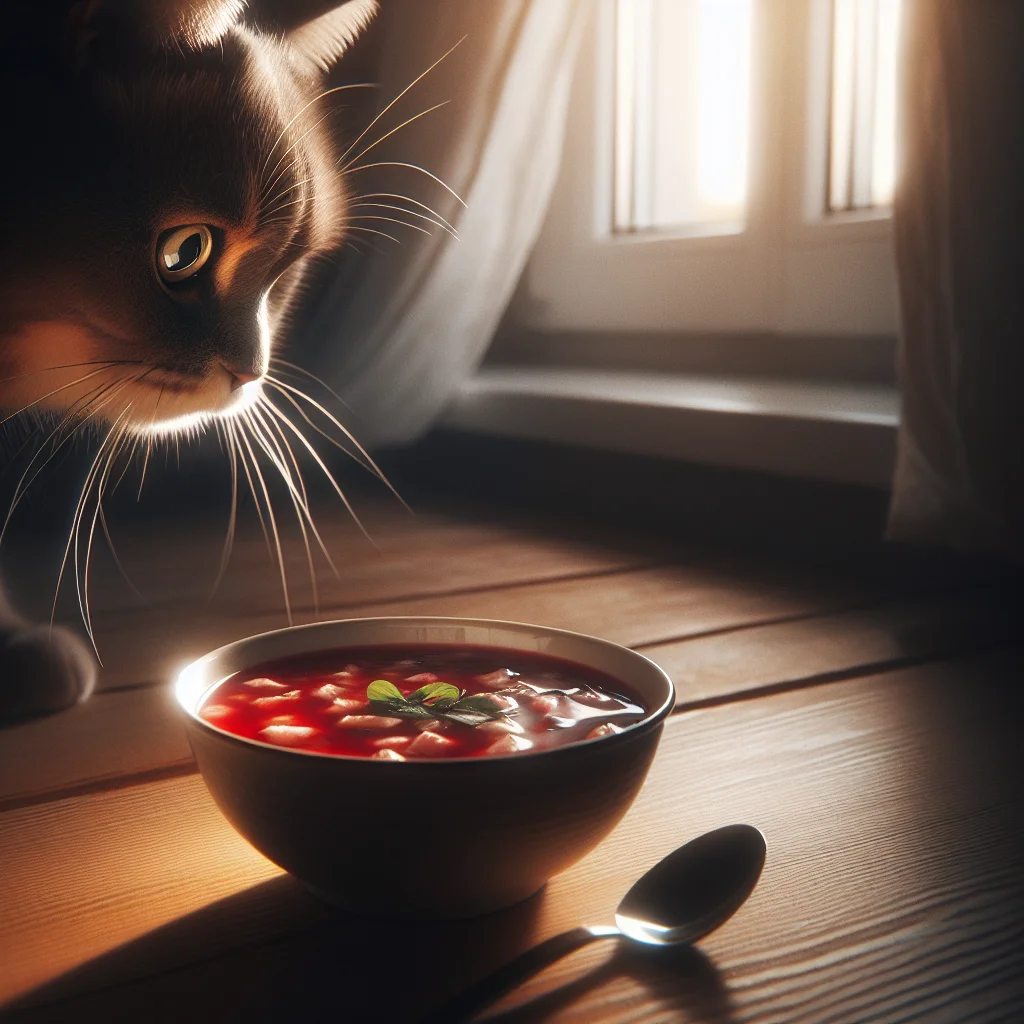
Toxic: Borscht, the vibrant beetroot soup beloved in many cultures, presents a moderate risk when fed to cats. This dish often contains onions and garlic, both of which are known to be toxic to cats. These common borscht ingredients contain thiosulfates, which can cause oxidative damage to feline red blood cells, leading to hemolytic anemia. Cats are particularly sensitive to these compounds, making it crucial for pet owners to be cautious.
What are the symptoms of borscht poisoning in cats?
If your feline friend consumes borscht, you may notice a range of symptoms. Common signs of borscht ingestion include gastrointestinal disturbances such as vomiting and diarrhea. Cats may also exhibit lethargy, reduced appetite, or pale gums due to the development of anemia. In severe cases, your cat might experience rapid breathing or an increased heart rate.
How much borscht is harmful to cats?
Even small amounts of borscht can pose a risk to cats due to the potential presence of garlic or onions. It doesn't take much of these ingredients to affect a cat's health adversely. A few tablespoons could be enough to cause symptoms in a sensitive cat. It's wise to keep this dish entirely out of reach to ensure your pet's safety.
Can cats eat beetroot safely?
While beetroot itself is not toxic to cats, it is not an ideal food for them. Beets have a high sugar content, which is not suitable for a cat's diet. Additionally, the fibrous texture might be difficult for cats to digest. If offering beetroot, it should be in minimal amounts and free from any seasonings or harmful additives.
What should I do if my cat eats borscht?
If your cat has consumed borscht, monitor them closely for any symptoms of toxicity. Contact your veterinarian immediately if you notice vomiting, diarrhea, lethargy, or any other unusual behavior. Early intervention can prevent more severe complications from arising.
Are there any safe alternatives for cats?
If you're looking to share a treat with your cat, consider alternatives like plain cooked chicken or fish. These options are generally safe and more aligned with a cat's dietary needs. Always introduce new foods gradually and consult with your veterinarian for advice tailored to your cat's specific health profile.
Toxicity Levels
| Type | Amount | Risk |
|---|---|---|
| Onions | Small | High |
| Garlic | Small | High |
| Beetroot | Moderate | Moderate |
| Salt | Moderate | Moderate |
| Spices | Varies | Variable |
Symptoms to Watch For
- Vomiting
- Diarrhea
- Lethargy
- Reduced Appetite
- Rapid Breathing
Frequently Asked Questions
Can borscht cause long-term health issues in cats?
Is it safe to give cats homemade borscht without onions and garlic?
How quickly do symptoms appear after a cat eats borscht?
Can cats have any types of soup safely?
What are safe vegetables for cats?