
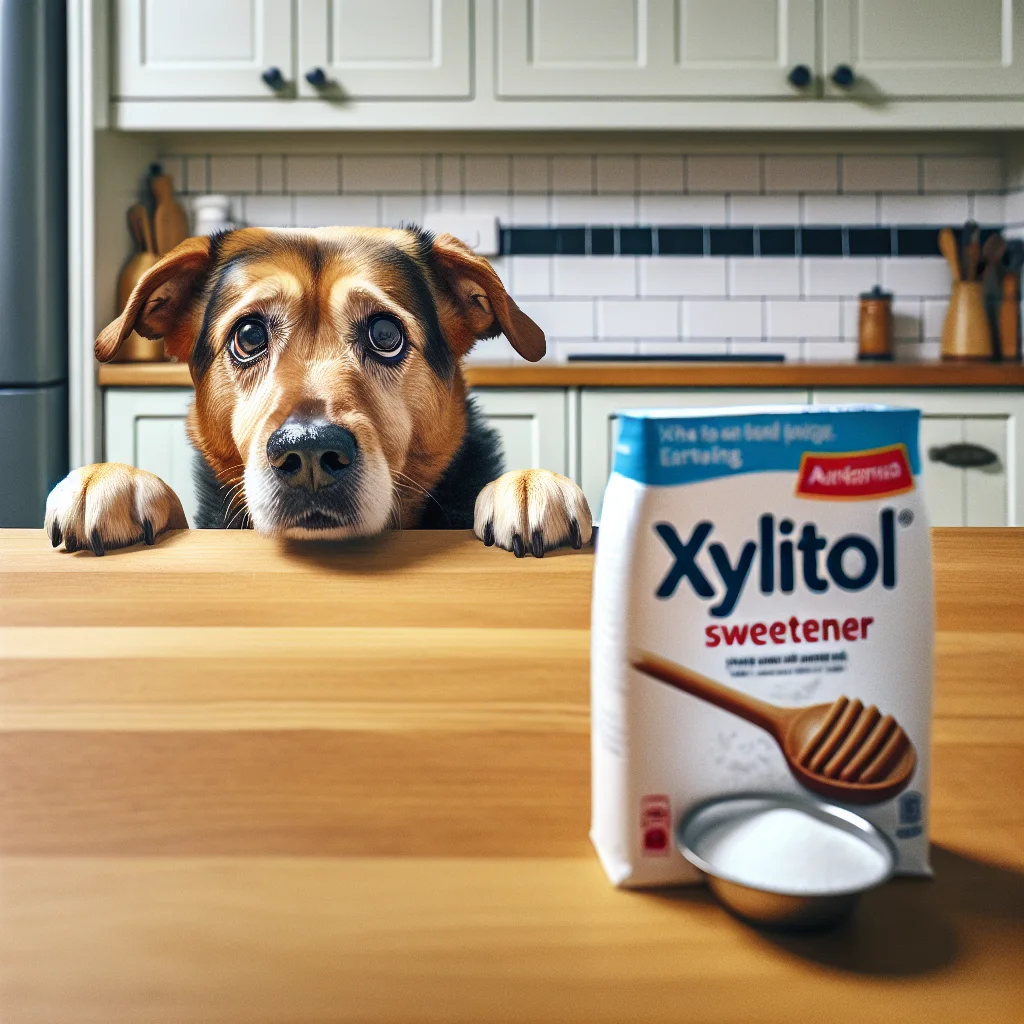
If you suspect your pet has ingested this food, do not wait for symptoms. Contact your veterinarian immediately.
Toxic. Ingesting xylitol, a sugar substitute found in many human foods, can lead to severe health consequences for dogs. Unlike humans, dogs experience a rapid release of insulin when they consume xylitol, causing a dangerous drop in blood sugar levels, known as hypoglycemia. This can happen within 10 to 60 minutes of ingestion. The liver can also be severely damaged, leading to potentially life-threatening conditions. Understanding the mechanism of xylitol toxicity is crucial for safeguarding your furry friend's health.
What are the symptoms of xylitol poisoning in dogs?
Symptoms of xylitol poisoning can vary based on the amount ingested and the size of the dog. Common signs include vomiting, lethargy, and loss of coordination, often appearing quickly after consumption. As the condition progresses, seizures and even liver failure can occur. Immediate veterinary attention is critical if you suspect your dog has ingested xylitol. Early intervention can prevent severe complications and improve recovery chances. Monitor your pet closely and seek emergency care at the first sign of distress.
How much xylitol is toxic to dogs?
Even small amounts of xylitol can be toxic to dogs. As little as 50 milligrams per pound of body weight can cause hypoglycemia, while doses around 100 milligrams per pound can lead to liver failure. Given that some sugar-free gums and sweets contain significant amounts of xylitol, even one or two pieces can be harmful. Always check ingredient labels and keep products containing xylitol out of reach from your pets. Prevention is the best strategy to protect your dog from xylitol toxicity.
What should I do if my dog eats xylitol?
If you suspect your dog has ingested xylitol, do not wait for symptoms to appear. Contact your veterinarian or an emergency animal poison control hotline immediately. Providing your vet with information about the quantity and type of product ingested will aid in determining the best course of action. Time is of the essence, as the onset of symptoms can be quick. Your vet may induce vomiting or administer intravenous fluids and medications to stabilize blood sugar levels and support liver function.
Why is xylitol used in human foods?
Xylitol is popular in human foods due to its low-calorie content and ability to mimic the sweetness of sugar without raising blood glucose levels. It is commonly found in sugar-free gums, candies, baked goods, and even some dental products. While beneficial for humans managing calorie intake and blood sugar, xylitol's popularity poses a hidden risk to dogs. Always be mindful of products containing xylitol in your household and educate family members about its dangers to pets.
Are there any alternatives to xylitol for dogs?
For pet owners seeking safe alternatives to sweeten their dog's treats, options like honey or maple syrup can be used in moderation. These natural sweeteners do not cause the same harmful effects as xylitol. However, it's important to remember that even safe sweeteners should be given sparingly to avoid unnecessary weight gain and maintain overall health. Consulting with your veterinarian about appropriate dietary choices for your dog can provide further guidance tailored to their specific needs.
Toxicity Levels
| Type | Amount | Risk |
|---|---|---|
| Sugar-Free Gum | 1-2 pieces | High |
| Sugar-Free Candy | 1 piece | Moderate |
| Baked Goods | Varies | High |
| Peanut Butter | 1 tablespoon | High |
| Dental Products | Small amount | Moderate |
Symptoms to Watch For
- Vomiting
- Lethargy
- Loss of Coordination
- Seizures
- Liver Failure
Frequently Asked Questions
Can a small amount of xylitol harm a dog?
Why is xylitol more dangerous to dogs than humans?
What foods commonly contain xylitol?
How quickly do symptoms of xylitol poisoning appear in dogs?
Is there an antidote for xylitol poisoning in dogs?