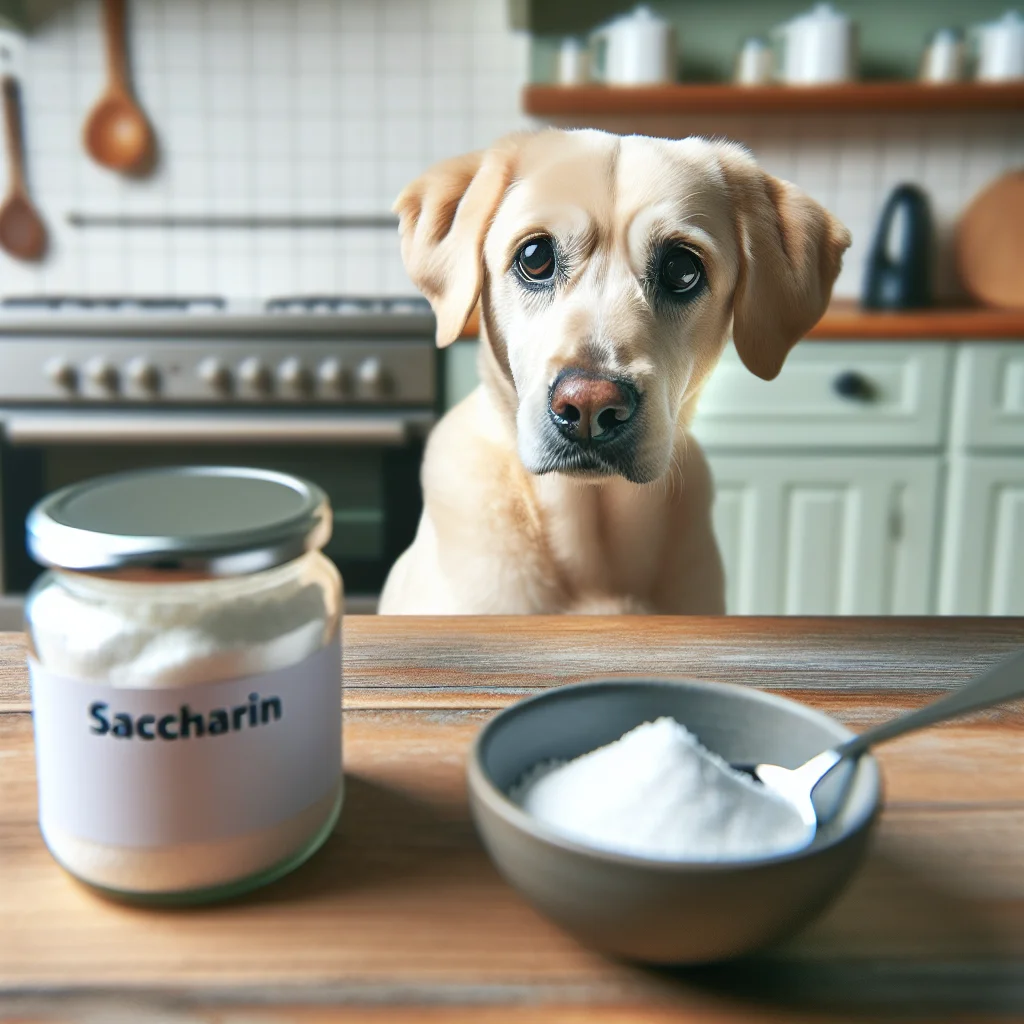
If you suspect your pet has ingested this food, do not wait for symptoms. Contact your veterinarian immediately.
Saccharin is considered safe for dogs in small amounts, but caution is advised. This artificial sweetener, commonly found in diet sodas and sugar-free products, is not metabolically active in dogs, meaning it does not break down and accumulate toxins in their system. However, it can lead to gastrointestinal upset if consumed in large quantities. Understanding the specific effects of saccharin and its potential risks is crucial for responsible pet owners.
What happens if a dog eats saccharin?
When a dog ingests saccharin, it can experience mild symptoms such as nausea or diarrhea due to the body's reaction to this non-nutritive sweetener. The sweetener can deceive the dog's gastrointestinal system, leading to temporary digestive disturbances. In most cases, these symptoms resolve on their own within a day. However, continuous consumption or large doses can lead to more severe digestive issues, necessitating veterinary attention.
How much saccharin is toxic to dogs?
The toxic threshold for saccharin in dogs has not been definitively established, but small amounts are generally not harmful. A dog's size and health condition can influence how it reacts to saccharin. For a small dog, even a chewable tablet containing saccharin can potentially cause discomfort. Owners should be vigilant about the amount of saccharin their pets are exposed to, particularly if the dog has a sensitive stomach or pre-existing health conditions.
Are there long-term effects of saccharin on dogs?
There is limited research on the long-term effects of saccharin in dogs. Most concerns arise from acute symptoms following ingestion rather than chronic effects. However, regular consumption of artificial sweeteners like saccharin could lead to dietary imbalances or behavioral changes due to altered taste perceptions. It's advisable to err on the side of caution and avoid habitual exposure to saccharin for your dog.
What should I do if my dog accidentally consumes saccharin?
If your dog consumes saccharin, monitor it for any signs of gastrointestinal distress such as vomiting or diarrhea. Ensure your dog has access to fresh water to stay hydrated. If symptoms persist for more than 24 hours or worsen, contact your veterinarian. They may recommend supportive care or provide specific treatments to alleviate symptoms.
Are there safer alternatives to saccharin for dogs?
For sweet treats, consider using natural sweeteners that are non-toxic and more digestible for dogs, such as honey or unsweetened applesauce. These can be used in moderation to provide a sweet flavor without the risks associated with artificial sweeteners. Always consult your veterinarian before introducing new foods or treats into your dog's diet to ensure they are safe and appropriate.
Toxicity Levels
| Type | Amount | Risk |
|---|---|---|
| Small Dog | 1 tablet | Mild |
| Medium Dog | 2 tablets | Moderate |
| Large Dog | 3 tablets | Moderate |
| Small Dog | 5 tablets | Severe |
| Puppy | 1 tablet | Moderate |
Symptoms to Watch For
- Vomiting
- Diarrhea
- Lethargy
- Loss of Appetite
- Abdominal Pain
Frequently Asked Questions
Is saccharin safe for all dogs?
Can saccharin cause long-term health issues in dogs?
What symptoms should I watch for after my dog eats saccharin?
Can puppies eat saccharin?
What should I do if my dog shows adverse reactions to saccharin?