
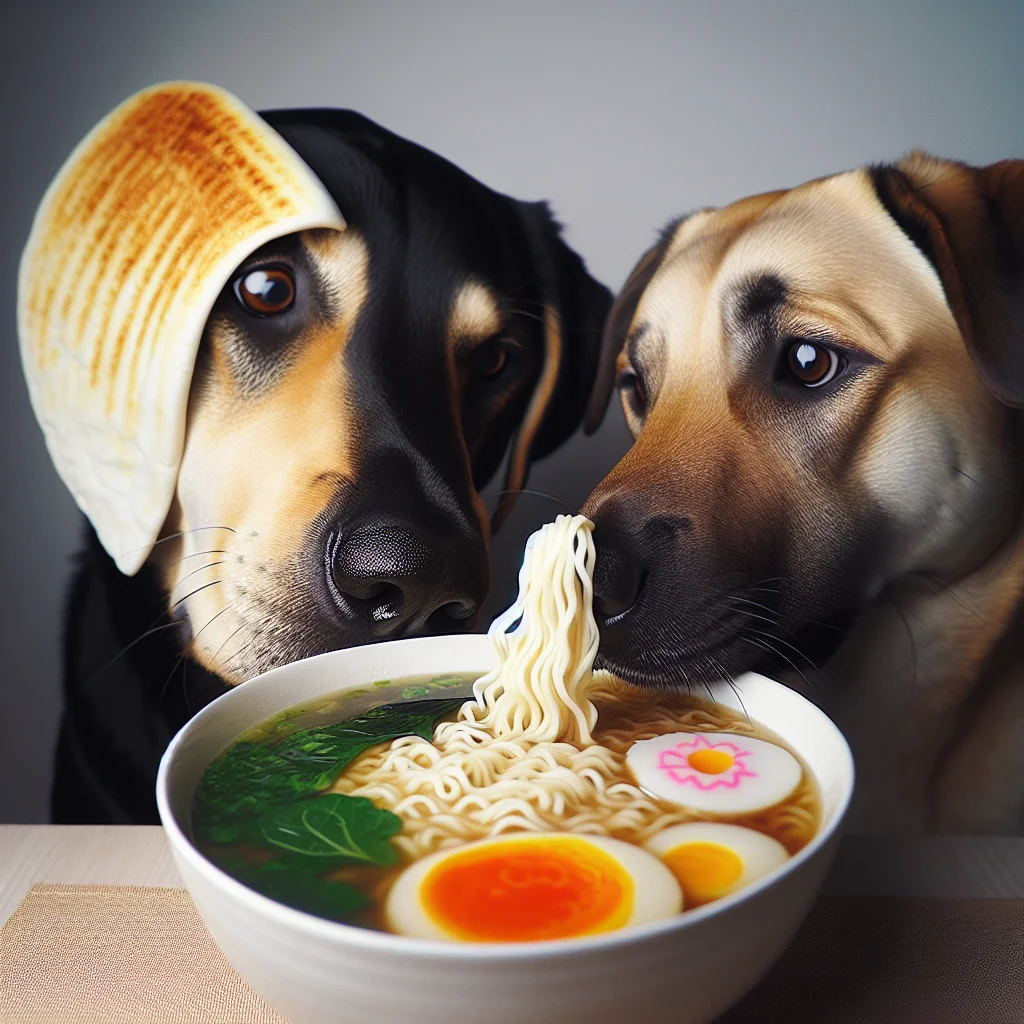
If you suspect your pet has ingested this food, do not wait for symptoms. Contact your veterinarian immediately.
Toxic. Ramen noodles are not a safe food choice for dogs due to their high sodium content and the presence of seasonings that can be harmful. Dogs have different dietary needs than humans, and exposure to excessive salt can lead to sodium ion poisoning. Additionally, the artificial flavorings and preservatives often found in ramen noodles can upset a dog's stomach and may contain ingredients toxic to canines, such as garlic or onion powder.
Why are ramen noodles bad for dogs?
Ramen noodles are particularly problematic for dogs because of their high sodium levels. A single serving can contain more salt than a dog should consume in a day, leading to potential health issues such as dehydration, increased blood pressure, and even kidney damage. The seasonings often used in ramen noodles may include garlic and onion powder, both of which are toxic to dogs and can cause gastrointestinal irritation and red blood cell damage.
What happens if my dog accidentally eats ramen noodles?
If a dog accidentally ingests ramen noodles, you may notice symptoms such as vomiting, diarrhea, or excessive thirst. These symptoms are primarily due to the high salt content, which can lead to sodium ion poisoning. More severe symptoms of toxicity include lethargy, tremors, or seizures. If you suspect your dog has consumed ramen noodles, it is crucial to monitor them closely and contact your veterinarian for advice.
How can I prevent my dog from eating ramen noodles?
To prevent your dog from eating ramen noodles, ensure that these and other human foods are stored out of reach. Educating family members about the potential risks and keeping an eye on your pet during meals can further reduce the risk of accidental ingestion. Training your dog to obey commands like 'leave it' can also be an effective deterrent.
Can I give my dog a safer alternative to ramen noodles?
If you're looking for a noodle treat for your dog, consider plain, unsalted pasta or rice in moderation. These options should be cooked without any seasonings or oils. Ensure that these foods are given as occasional treats and do not replace a balanced and complete diet formulated for dogs.
What are the long-term effects of consuming ramen noodles on dogs?
Long-term consumption of ramen noodles can lead to chronic health issues in dogs. The excessive salt intake can cause lasting damage to their kidneys and cardiovascular system. Additionally, repeated exposure to toxic ingredients like garlic or onion can result in anemia or gastrointestinal problems. Maintaining a diet that meets a dog's nutritional needs is essential for their long-term health and well-being.
Toxicity Levels
| Type | Amount | Risk |
|---|---|---|
| Ramen Noodles | 1 serving | High |
| Garlic Powder | 0.1g | High |
| Onion Powder | 0.1g | High |
| Salt | 1g | Moderate |
| Preservatives | Varies | Moderate |
Symptoms to Watch For
- Vomiting
- Diarrhea
- Excessive Thirst
- Lethargy
- Tremors
Frequently Asked Questions
Can dogs eat any type of noodles?
Are there any immediate signs if my dog eats ramen noodles?
Is it ever safe to share human food with my dog?
How much sodium is too much for dogs?
What should I do if my dog shows signs of toxicity?