
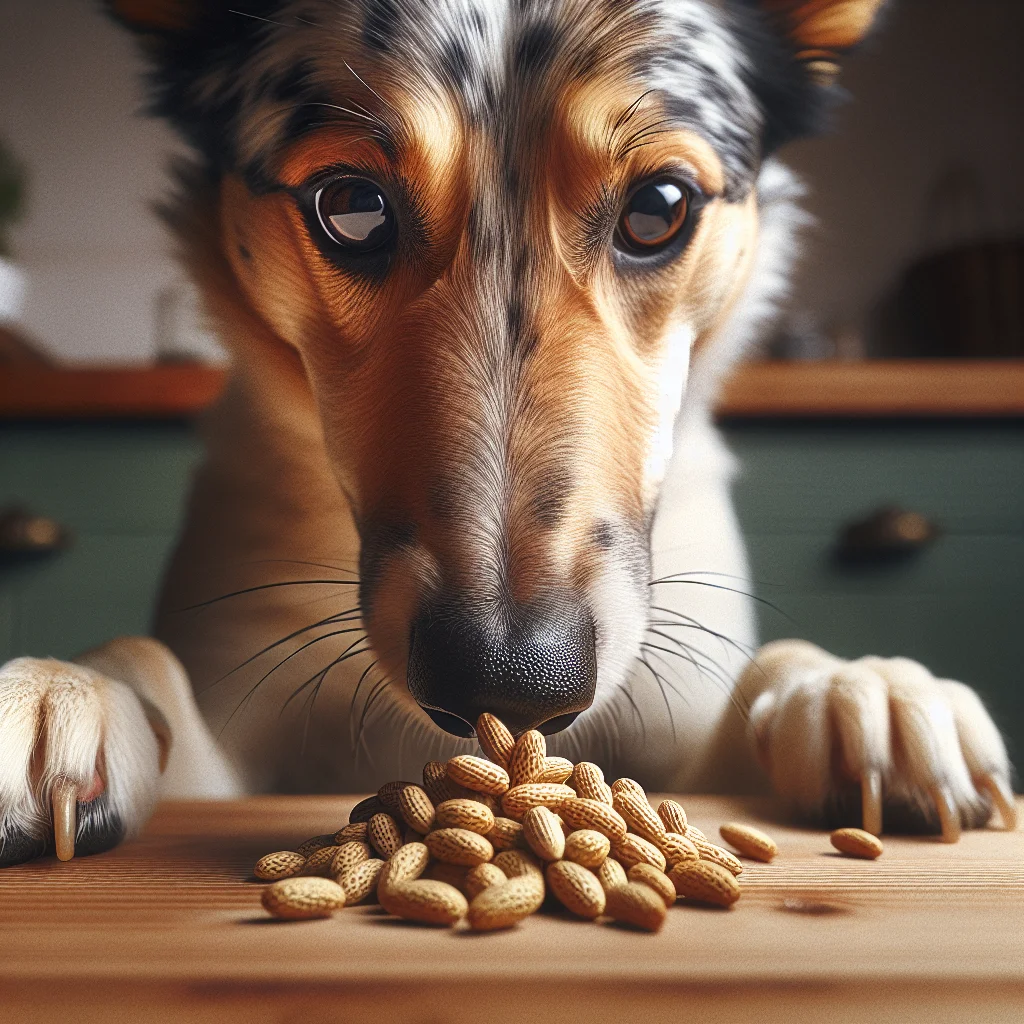
If you suspect your pet has ingested this food, do not wait for symptoms. Contact your veterinarian immediately.
Pine nuts are considered safe for dogs in moderation, but they do come with a cautionary note. While they are not inherently toxic, the high-fat content in pine nuts can lead to gastrointestinal upset and pancreatitis in dogs if consumed in large quantities. The risk arises primarily from the dog's digestive system struggling to process excessive fats, potentially leading to inflammation of the pancreas, known as pancreatitis. This condition can be serious and requires veterinary attention.
Are Pine Nuts Harmful to Dogs?
While pine nuts themselves are not toxic to dogs, the potential harm comes from their high-fat content. Dogs that consume large amounts of pine nuts can experience digestive issues such as vomiting, diarrhea, and even pancreatitis. This is due to the pancreas overworking to digest the fats, causing inflammation. Thus, it's crucial to monitor the quantity given and ensure it's a rare treat rather than a staple in your dog's diet.
What Happens If My Dog Eats Pine Nuts?
If a dog consumes a small number of pine nuts, it is usually not a cause for alarm. However, if the quantity is significant, you might observe symptoms like vomiting, diarrhea, lethargy, and abdominal pain. These signs indicate gastrointestinal distress or pancreatitis. In such cases, contacting your veterinarian is advised to prevent escalation of symptoms and to receive professional guidance on treatment.
Can Dogs Develop Allergies to Pine Nuts?
While rare, dogs can develop allergies to pine nuts. Symptoms may include itching, swelling, and difficulty breathing. Allergies occur when the immune system overreacts to proteins found in the nuts. If you notice any signs of an allergic reaction after your dog consumes pine nuts, it is vital to seek veterinary care immediately to manage the symptoms and prevent severe reactions.
How Should I Introduce Pine Nuts to My Dog's Diet?
If you decide to feed your dog pine nuts, it should be done cautiously. Start with a very small amount to monitor any adverse reactions. If your dog shows no negative symptoms, pine nuts can be given occasionally as a treat. However, always ensure they are unsalted and not mixed with other nuts that might be harmful. Maintaining moderation is key to preventing any potential health issues.
What Are the Health Benefits of Pine Nuts for Dogs?
In small quantities, pine nuts can offer some health benefits to dogs. They are a source of protein, healthy fats, and essential nutrients such as magnesium and zinc. These components can contribute to a healthy coat and skin, as well as provide energy. Nevertheless, due to the risk of pancreatitis, these benefits do not outweigh the potential risks if consumed in excess, so they should be treated as an occasional indulgence.
Toxicity Levels
| Type | Amount | Risk |
|---|---|---|
| Small Dog | 1-5 nuts | Low |
| Medium Dog | 5-10 nuts | Moderate |
| Large Dog | 10-15 nuts | High |
| Excess Consumption | 15+ nuts | Very High |
| Unsalted Nuts | Occasional | Low |
Symptoms to Watch For
- Vomiting
- Diarrhea
- Lethargy
- Abdominal Pain
- Allergic Reactions
Frequently Asked Questions
Can pine nuts cause pancreatitis in dogs?
Are there any nuts that are safer for dogs than pine nuts?
How many pine nuts can a dog safely eat?
What should I do if my dog has a reaction to pine nuts?
Can pine nuts be part of a regular diet for dogs?