
If you suspect your pet has ingested this food, do not wait for symptoms. Contact your veterinarian immediately.
Can Dogs Eat Pasta? Safe or Toxic?
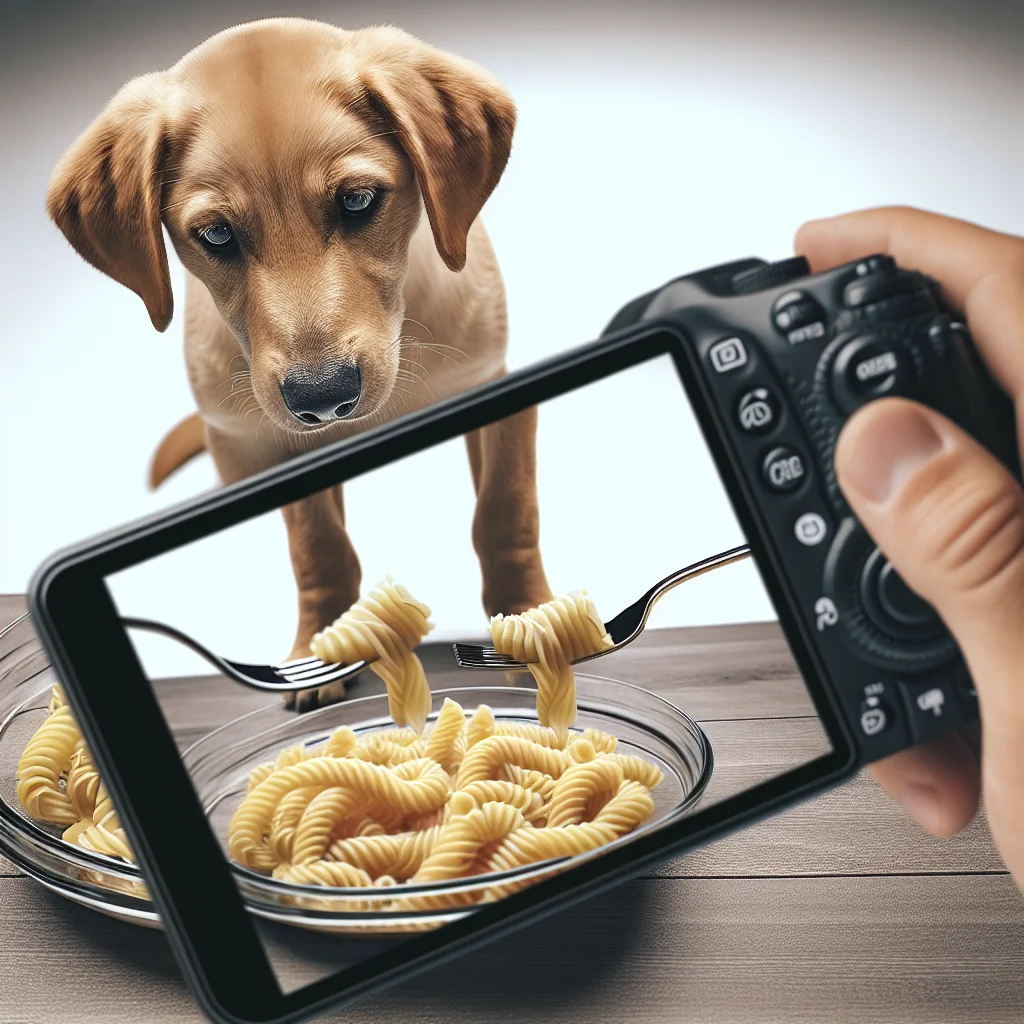
Pasta is generally safe for dogs to eat in moderation, but caution is advised due to potential health risks. While plain pasta isn't toxic, ingredients like garlic or onion found in some pasta dishes can be harmful. The primary concern with pasta is its high carbohydrate content, which can contribute to obesity and related health issues if consumed excessively. Understanding the nutritional implications and potential risks is crucial when considering pasta as a part of your dog's diet.
What Are the Risks of Feeding Pasta to Dogs?
Feeding pasta to dogs can pose several risks, primarily due to its carbohydrate content. Dogs that consume large amounts of carbohydrates may gain weight, leading to obesity—a condition linked to diabetes and joint problems. Another risk factor is the addition of harmful ingredients like garlic, onion, or excessive salt in pasta dishes, which can cause gastrointestinal distress and even toxicity. It's important to ensure that any pasta given to your dog is plain and cooked without harmful additives.
How Much Pasta Can a Dog Safely Eat?
Moderation is key when it comes to feeding pasta to dogs. A small portion of plain, cooked pasta can be an occasional treat. For a medium-sized dog, a few pieces mixed with their regular food is sufficient. Overfeeding can lead to weight gain and nutritional imbalance, as pasta does not provide the essential nutrients that dogs need. Always consult with a veterinarian to determine the appropriate amount based on your dog's size, age, and health condition.
Are There Any Benefits to Giving Dogs Pasta?
While pasta is not a necessary component of a dog's diet, it can offer some benefits when given in moderation. As a bland carbohydrate, pasta can be a temporary option for dogs recovering from stomach upsets. The energy from carbohydrates can be beneficial for highly active dogs needing quick energy boosts. However, these benefits are overshadowed by the potential risks if pasta is not fed responsibly.
What Should You Do If Your Dog Eats Too Much Pasta?
If your dog consumes an excessive amount of pasta, monitor them for signs of gastrointestinal distress such as vomiting, diarrhea, or bloating. These symptoms can indicate that your dog's digestive system is struggling to process the excess carbohydrates. In severe cases, particularly if the pasta contained harmful ingredients, contact your veterinarian immediately. They may recommend supportive treatments or dietary adjustments to alleviate symptoms and prevent future issues.
Can Dogs Be Allergic to Pasta?
While rare, some dogs may have allergies or intolerances to wheat, a common ingredient in pasta. Symptoms of an allergic reaction can include itching, skin irritation, and gastrointestinal upset. If you suspect your dog has a wheat allergy, discontinue feeding pasta and consult your veterinarian for alternative dietary options. Testing and diagnosis by a professional are essential to manage allergies effectively.
Toxicity Levels
| Type | Amount | Risk |
|---|---|---|
| Plain Cooked Pasta | Small portion | Low |
| Pasta with Garlic | Any | High |
| Pasta with Onion | Any | High |
| Whole Wheat Pasta | Moderate | Low |
| Pasta with Sauce | Any | Moderate to High |
| Raw Pasta | Large | Moderate |
Symptoms to Watch For
- Vomiting
- Diarrhea
- Bloating
- Lethargy
- Itching
Frequently Asked Questions
Is pasta harmful to dogs?
Can dogs eat pasta with sauce?
What should I do if my dog ate pasta with garlic?
Can puppies eat pasta?
Is whole wheat pasta better for dogs?