If you suspect your pet has ingested this food, do not wait for symptoms. Contact your veterinarian immediately.
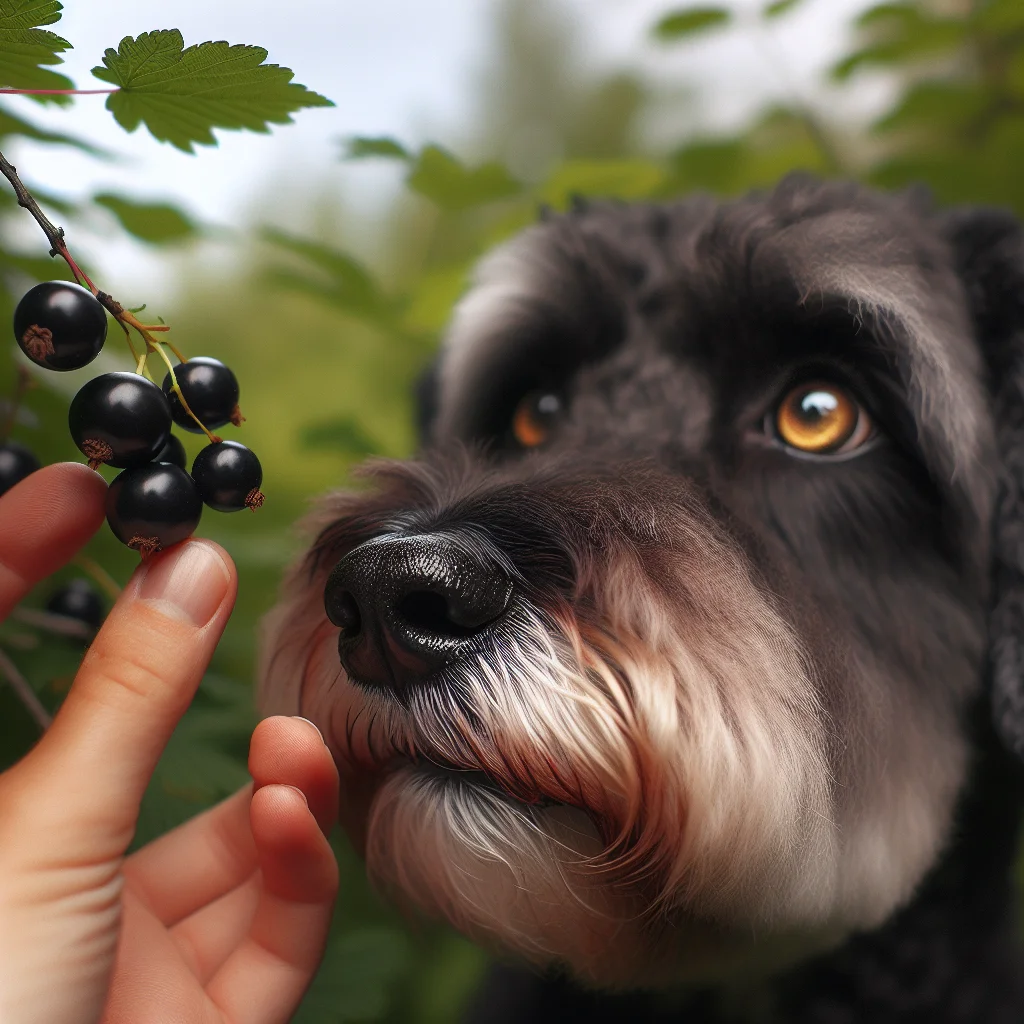
Blackcurrants are small, tart berries that are often used in jams, juices, and various culinary dishes. While they are packed with nutrients and antioxidants beneficial for humans, the same cannot be unequivocally said for dogs. Pet owners often wonder if these berries can be safely shared with their canine companions. The answer is nuanced. While blackcurrants are not known to be overtly toxic to dogs, there are some considerations to keep in mind.
Dogs have different digestive systems and nutritional needs compared to humans. What is beneficial for us may not be suitable for them, and in some cases, could even be harmful. While occasional consumption of blackcurrants may not pose an immediate threat, larger quantities might lead to digestive issues or other health concerns. Therefore, it is crucial for pet owners to understand the potential risks and exercise caution when introducing new foods to their dog's diet.
Are Blackcurrants Safe for Dogs?
When it comes to blackcurrants, the key issue is not acute toxicity but the potential for gastrointestinal upset. Dogs have sensitive digestive systems, and introducing new foods can lead to vomiting or diarrhea. Blackcurrants contain natural compounds that, in excess, can irritate a dog's stomach. Additionally, dogs do not require the same vitamins and minerals from fruits as humans do, so the nutritional benefits are not as significant for them.
It's important to note that every dog is different, and what might be safe for one may not be for another. Factors such as size, breed, and underlying health conditions can influence how a dog reacts to blackcurrants. If you choose to offer blackcurrants to your dog, do so in moderation and monitor for any adverse reactions.
Can Blackcurrants Cause Health Problems in Dogs?
While blackcurrants are not categorized as toxic, they can lead to health issues if consumed in large amounts. The high fiber content can cause gastrointestinal distress, including bloating, gas, and diarrhea. Moreover, blackcurrants contain oxalates, which can contribute to the formation of kidney stones in susceptible dogs.
Another point of concern is the sugar content found in blackcurrants, especially when they are part of processed foods like jams or juices. Excessive sugar intake can lead to obesity and dental problems in dogs. Always ensure that any blackcurrants given to your dog are fresh and free from added sugars or artificial sweeteners, which can be harmful.
How Should Blackcurrants Be Introduced to a Dog's Diet?
If you decide to introduce blackcurrants to your dog's diet, the best approach is to proceed with caution. Start by offering a small portion and observe your dog for any signs of digestive discomfort or allergic reactions. Watch for symptoms like vomiting, diarrhea, or itching, and discontinue feeding if any adverse effects occur.
Always serve blackcurrants plain, without any additives such as sugar or artificial sweeteners. Avoid giving blackcurrants that are part of processed products, as these often contain ingredients that are harmful to dogs. If you have any concerns or if your dog has a history of dietary sensitivities, consult your veterinarian before adding blackcurrants to their diet.
What Are the Signs of a Negative Reaction to Blackcurrants?
If your dog experiences a negative reaction to blackcurrants, symptoms may include gastrointestinal distress such as vomiting, diarrhea, or abdominal pain. In rare cases, an allergic reaction may occur, leading to symptoms like itching, swelling, or difficulty breathing. If you notice any of these signs, discontinue feeding blackcurrants and contact your veterinarian for advice.
It's crucial to monitor your dog after introducing any new food to their diet. Early detection of adverse reactions can prevent more serious health issues from developing. Always prioritize your dog's health and consult a professional if you have any doubts about their diet.
What Are Some Safe Alternatives to Blackcurrants for Dogs?
If you're looking for safe and healthy fruit options for your dog, there are plenty to choose from. Apples (without seeds), blueberries, and strawberries are all considered safe for dogs and can be offered as occasional treats. These fruits provide valuable nutrients and antioxidants without the same level of risk associated with blackcurrants.
Always remember to introduce new foods gradually and in moderation. Each dog is unique, and their tolerance to different foods can vary. When in doubt, consult with your veterinarian to ensure that the new addition to your dog's diet is both safe and beneficial.
Toxicity Levels
| Type | Amount | Risk |
|---|---|---|
| Raw Blackcurrants | Small Handful | Low |
| Blackcurrant Juice | 1/4 Cup | Moderate |
| Blackcurrant Jam | 1 Tablespoon | Moderate |
| Dried Blackcurrants | Small Handful | Moderate |
| Blackcurrant-flavored Products | Varies | High |
Symptoms to Watch For
- Vomiting
- Diarrhea
- Bloating
- Itching
- Difficulty Breathing
Frequently Asked Questions
Can blackcurrants be toxic to dogs?
How many blackcurrants can a dog safely eat?
Are there any benefits to feeding blackcurrants to dogs?
What should I do if my dog eats a large amount of blackcurrants?
Can puppies eat blackcurrants?