If you suspect your pet has ingested this food, do not wait for symptoms. Contact your veterinarian immediately.
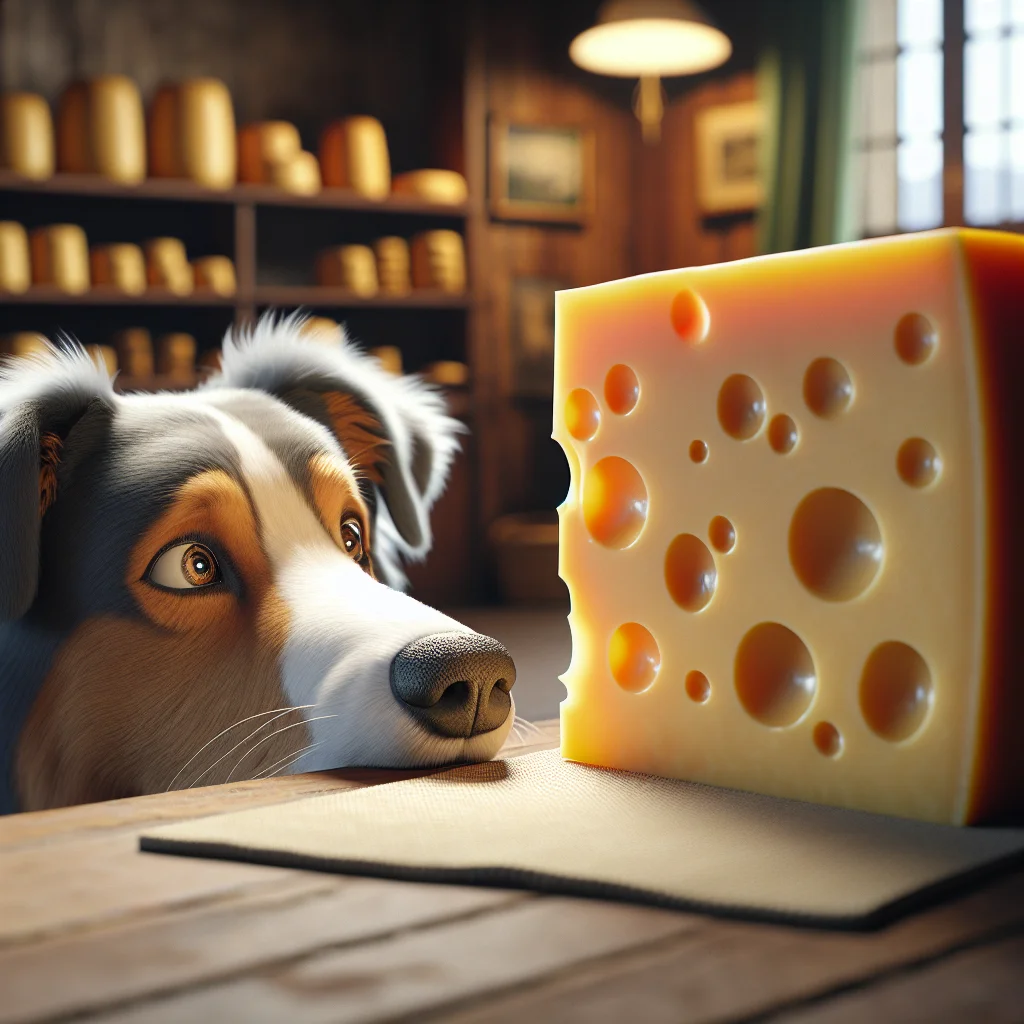
Swiss Cheese is not inherently toxic to dogs, but caution is advised due to the potential for lactose intolerance and high-fat content. When dogs consume Swiss Cheese, they may experience gastrointestinal upset if they are lactose intolerant, as the cheese contains lactose, a sugar found in milk. Additionally, the high calorie and fat content in Swiss Cheese can pose long-term health risks such as obesity and pancreatitis if consumed in large amounts.
Can Dogs Digest Swiss Cheese Safely?
Dogs vary in their ability to digest lactose, the sugar found in milk products such as Swiss Cheese. While some dogs might manage small amounts without issue, others may experience symptoms like diarrhea, gas, and bloating. The enzyme lactase is necessary to break down lactose, and not all dogs produce sufficient amounts of it. Therefore, it's crucial to monitor your dog's reaction after consuming Swiss Cheese. If your dog shows signs of discomfort or digestive upset, it might be best to avoid giving them dairy products.
What Are the Risks of Feeding Swiss Cheese to Dogs?
The primary risks associated with feeding Swiss Cheese to dogs relate to its lactose content and high fat levels. Lactose-intolerant dogs might suffer from digestive issues, while the high fat content can lead to obesity, a significant concern for canine health. Moreover, excessive fat intake can increase the risk of pancreatitis, a painful and potentially life-threatening condition. It’s important to offer Swiss Cheese only occasionally and in small quantities, ensuring it does not become a regular part of your dog's diet.
How Much Swiss Cheese is Safe for Dogs?
Moderation is key when it comes to offering Swiss Cheese to your dog. A small piece, roughly the size of your thumb, can be safe for most dogs as an occasional treat. However, it’s essential to observe your dog for any adverse reactions, especially if they have never consumed cheese before. Dogs with a history of pancreatitis, obesity, or lactose intolerance should avoid Swiss Cheese altogether. Always consult with your veterinarian if you have concerns about introducing new foods to your dog's diet.
What Should I Do if My Dog Eats Too Much Swiss Cheese?
If your dog consumes an excessive amount of Swiss Cheese, monitor them closely for signs of gastrointestinal distress such as vomiting, diarrhea, or abdominal pain. Ensure they have access to fresh water and consider withholding food for 12-24 hours to allow their digestive system to recover. If symptoms persist or worsen, seek veterinary attention promptly. In cases of severe reaction, such as continuous vomiting or signs of pancreatitis, immediate veterinary intervention is crucial.
Are There Safer Alternatives to Swiss Cheese for Dogs?
For dogs who are sensitive to lactose or prone to weight gain, there are safer alternatives to Swiss Cheese. Low-lactose cheeses, such as cottage cheese or certain hard cheeses, might be better tolerated. Alternatively, consider dog-specific treats made from cheese flavors that mimic the taste without the associated digestive risks. Always introduce new foods gradually and keep a keen eye on your dog’s health and behavior.
Toxicity Levels
| Type | Amount | Risk |
|---|---|---|
| Lactose Intolerance | Small | Moderate |
| High Fat Content | Moderate | High |
| Pancreatitis Risk | Large | Very High |
| Obesity Risk | Frequent | High |
| Digestive Upset | Small | Moderate |
Symptoms to Watch For
- Vomiting
- Diarrhea
- Bloating
- Lethargy
- Abdominal Pain
Frequently Asked Questions
Is Swiss Cheese toxic to dogs?
Why is Swiss Cheese risky for dogs?
How can I tell if my dog is lactose intolerant?
Can small dogs eat Swiss Cheese?
What are the symptoms of cheese poisoning in dogs?