If you suspect your pet has ingested this food, do not wait for symptoms. Contact your veterinarian immediately.
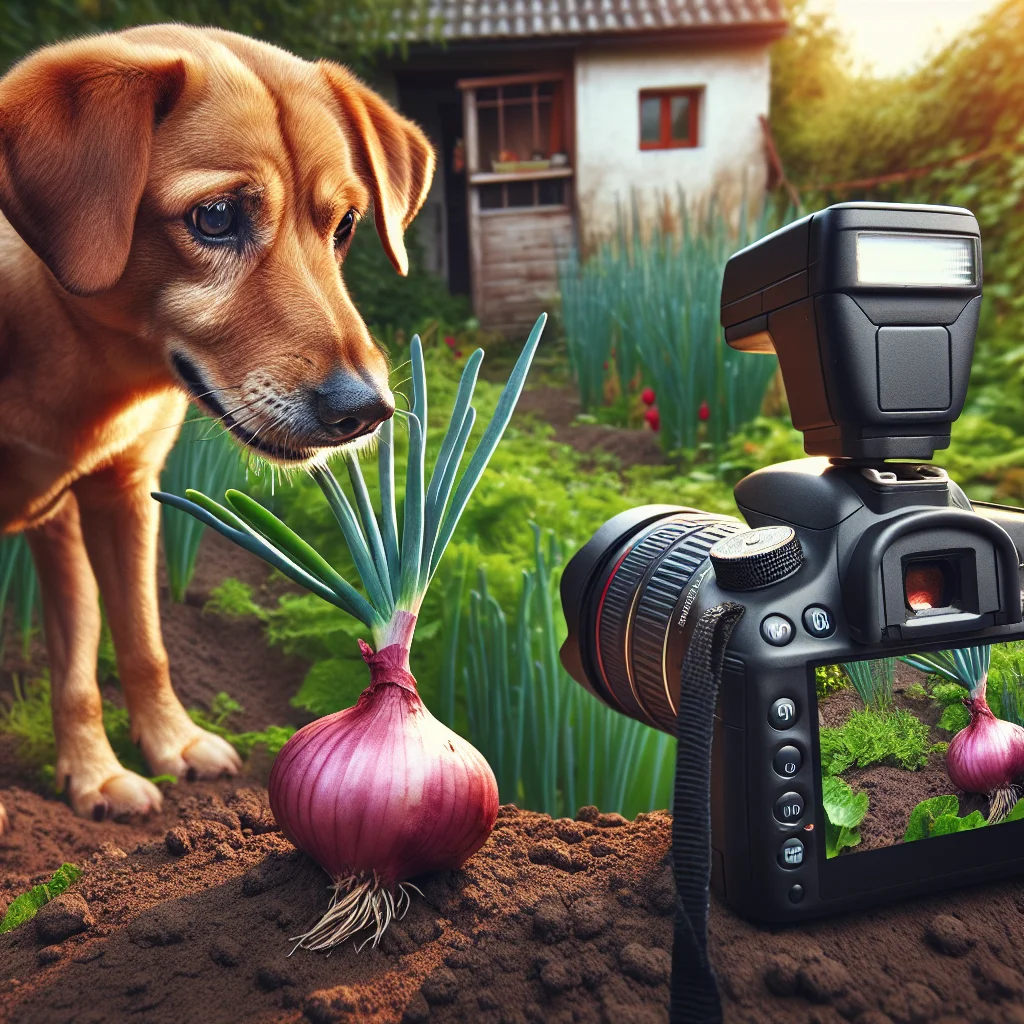
Shallots are toxic to dogs. The presence of thiosulfate in shallots makes them harmful, as dogs lack the enzyme to properly digest this compound, leading to oxidative damage to red blood cells. This damage can result in hemolytic anemia, which is a serious and potentially life-threatening condition in dogs.
What are the symptoms of shallot poisoning in dogs?
When a dog ingests shallots, symptoms may not appear immediately but can develop over several days. Common signs include vomiting, diarrhea, lethargy, and abdominal pain. You might also notice your dog having pale gums, rapid breathing, and an increased heart rate. These symptoms are indicative of anemia, which occurs when the red blood cells are destroyed faster than they can be produced. If you observe these signs, it's crucial to seek veterinary attention promptly to prevent further complications.
How much shallot is toxic to dogs?
The toxicity of shallots is dose-dependent. Even small amounts can be harmful, particularly in small breeds. A dog can become ill after consuming as little as 5 grams of shallots per kilogram of body weight. Larger quantities increase the risk of severe toxicity and rapid onset of symptoms. It's essential to keep shallots and related foods, like onions and garlic, out of reach of your pets to avoid accidental ingestion.
What should I do if my dog eats shallots?
If your dog consumes shallots, act quickly. Contact your veterinarian or an emergency pet poison hotline for advice. Do not attempt to induce vomiting without professional guidance, as this can sometimes cause more harm. The veterinarian may recommend bringing the dog in for immediate evaluation and treatment, which may include activated charcoal to prevent further absorption of toxins, intravenous fluids, and supportive care.
Can cooked shallots harm dogs?
Cooking shallots does not eliminate their toxicity. The thiosulfate compound remains intact even after cooking. Therefore, both raw and cooked shallots pose a threat to dogs. It's best to avoid feeding any form of shallots to your pet and ensure that any dishes containing this ingredient are kept away from them.
Are there safer alternatives to shallots for dogs?
Instead of shallots, there are many safe vegetables that can be included in your dog's diet. Carrots, green beans, and sweet potatoes are excellent choices that are not only safe but also nutritious. These vegetables provide vitamins and fiber that can support your dog's overall health without the risk of toxicity.
Toxicity Levels
| Type | Amount | Risk |
|---|---|---|
| Raw Shallot | 5g/kg | High |
| Cooked Shallot | 5g/kg | High |
| Onions | 5g/kg | High |
| Garlic | 5g/kg | High |
| Chives | 5g/kg | High |
Symptoms to Watch For
- Vomiting
- Diarrhea
- Lethargy
- Pale Gums
- Rapid Breathing
Frequently Asked Questions
Can a small amount of shallot harm my dog?
How quickly do symptoms appear after ingestion?
Are other alliums like onions and garlic also toxic?
What treatments are available for shallot poisoning?
How can I prevent my dog from eating shallots?