
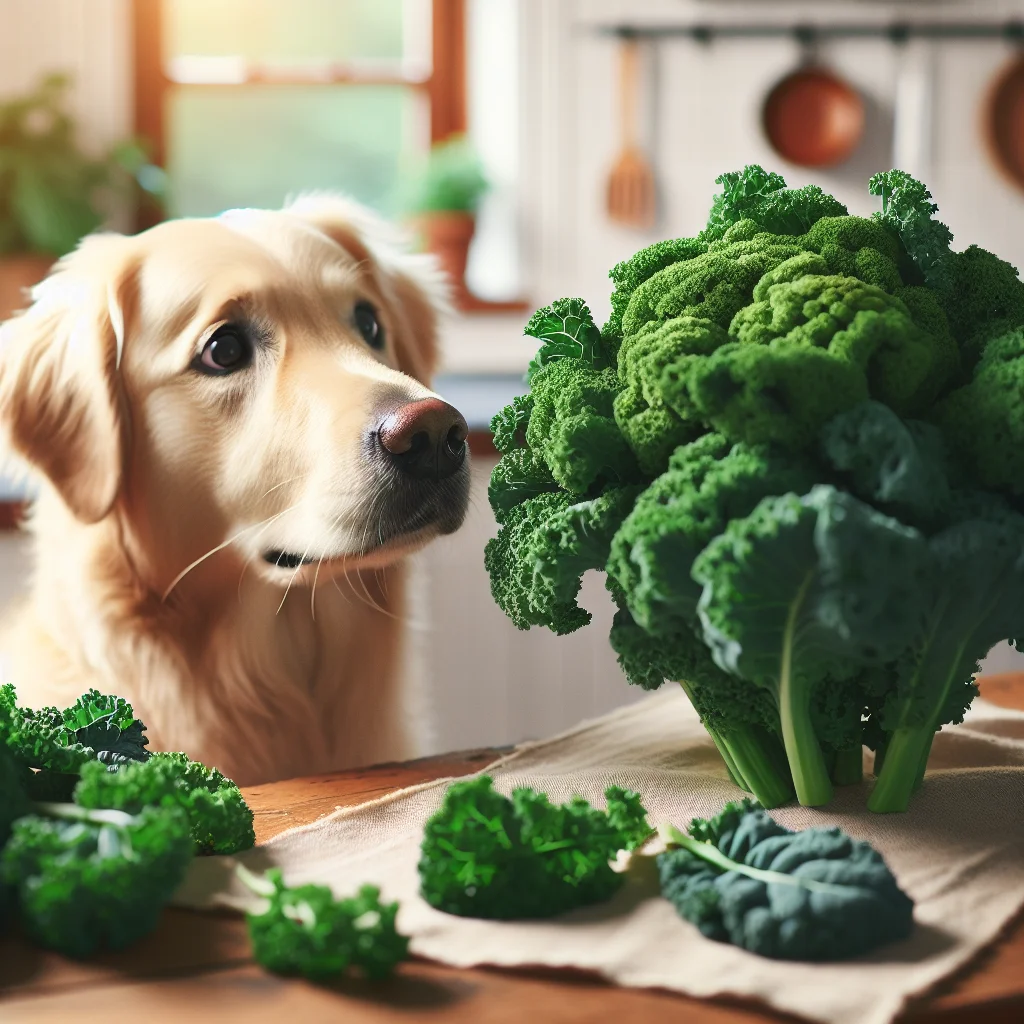
Safe: Kale is generally safe for dogs to consume in moderation. This leafy green vegetable is packed with nutrients, making it a healthy addition to your dog's diet. However, it's crucial to understand how to serve it properly and in the right amounts to avoid any potential side effects. Kale contains isothiocyanates, which can cause mild digestive upset in some dogs if consumed in large quantities.
Can Dogs Eat Kale Safely?
Kale is a nutrient-dense vegetable that offers several health benefits for dogs. It's rich in vitamins A, C, and K, calcium, and antioxidants, which can support your dog's immune system and overall health. However, feeding kale in excessive amounts can lead to digestive issues due to its isothiocyanates content. To incorporate kale into your dog's diet safely, serve it in small, manageable portions. Cooking or steaming kale can also help reduce potential digestive discomfort.
What Are the Benefits of Kale for Dogs?
Kale is known for its numerous health benefits. It is low in calories while being high in fiber, which can enhance digestive health. The antioxidants present in kale can help fight free radicals, potentially reducing the risk of cancer and other illnesses. Additionally, the vitamins and minerals in kale can contribute to healthier skin and a shinier coat. When given in moderation, kale can be a valuable addition to your dog's diet.
How Much Kale Can a Dog Eat?
When introducing kale to your dog's diet, start with small amounts and observe how your dog reacts. A few leaves of kale, chopped and mixed with their regular food, is a good starting point. It's vital to adjust the portion size based on your dog's size and weight. As a general rule, treats and supplements like kale should not make up more than 10% of your dog's daily caloric intake.
Are There Any Risks Associated with Dogs Eating Kale?
While kale is generally safe, there are some potential risks if consumed in large quantities. The isothiocyanates in kale can cause mild digestive upset, such as gas or diarrhea. Additionally, kale contains oxalates, which can contribute to kidney and bladder stones in dogs prone to these conditions. Always consult your veterinarian before making any significant dietary changes for your pet.
Can Puppies Eat Kale?
Puppies can enjoy kale in moderation, much like adult dogs. However, their digestive systems are more sensitive, so it's crucial to introduce new foods gradually. Start with a very small amount of cooked kale mixed with their usual diet and monitor for any adverse reactions. As always, consult with a veterinarian to ensure that introducing kale aligns with your puppy's nutritional needs.
Toxicity Levels
| Type | Amount | Risk |
|---|---|---|
| Raw Kale | Small (1-2 leaves) | Low |
| Raw Kale | Medium (3-5 leaves) | Moderate |
| Raw Kale | Large (>5 leaves) | High |
| Cooked Kale | Small (1-2 leaves) | Low |
| Cooked Kale | Medium (3-5 leaves) | Low |
| Cooked Kale | Large (>5 leaves) | Moderate |
Symptoms to Watch For
- Vomiting
- Diarrhea
- Excessive Gas
- Lethargy
- Loss of Appetite
Frequently Asked Questions
Can kale cause kidney problems in dogs?
How should I prepare kale for my dog?
Is kale better than other leafy greens for dogs?
How often can I give my dog kale?
Can dogs with sensitive stomachs eat kale?