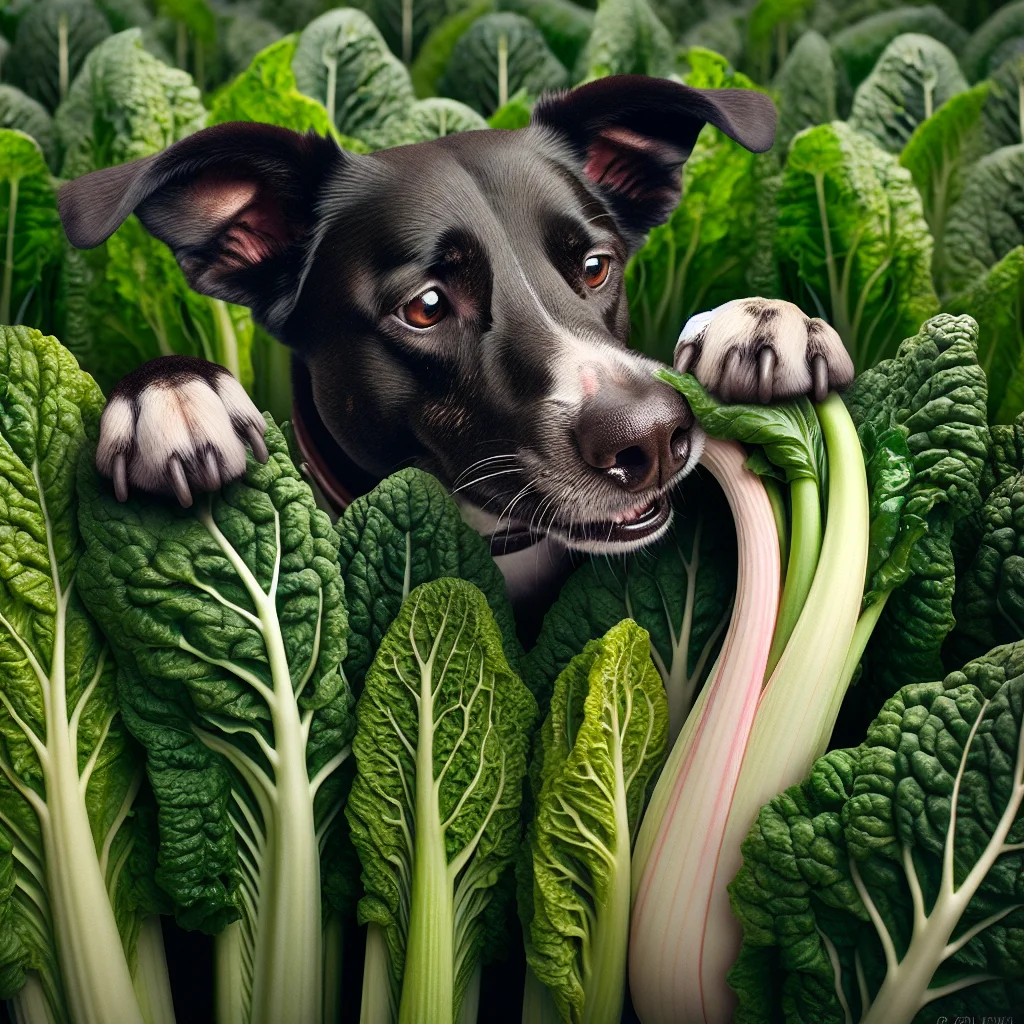
Safe: Dogs can safely consume chard, a leafy green vegetable known for its high nutritional value. Unlike some plants that contain harmful toxins, chard does not pose any toxic threat to dogs. Its rich composition of vitamins and minerals can be a beneficial addition to your dog's diet, offering a source of vitamins A, K, and C, along with important minerals such as magnesium and iron. However, moderation is key, as excessive amounts may lead to digestive upset due to its fibrous nature.
What Are the Benefits of Feeding Chard to Dogs?
Chard is packed with essential nutrients that can enhance your dog's health when included as part of a balanced diet. The high levels of vitamin A promote good vision and immune function, while vitamin K supports blood clotting and bone health. Vitamin C, although not essential for dogs as they synthesize it, can still bolster their immune system and act as an antioxidant. Additionally, the magnesium and iron present in chard aid in muscle function and oxygen transportation in the blood, respectively. Integrating chard into your dog's diet can therefore provide a natural boost to their overall well-being.
How Should Chard Be Prepared for Dogs?
Preparing chard for your dog involves ensuring it is easily digestible and free from any potential contaminants. First, thoroughly wash the leaves to remove any dirt or pesticides. It is advisable to cook the chard lightly, such as steaming or blanching, to soften the fibrous leaves and make them easier for your dog to chew and digest. Avoid adding any salt, oil, or seasoning that could be harmful to your dog. Once cooked, chop the chard into small, manageable pieces and serve it as a supplement to their regular meal. This method of preparation will help your dog gain the maximum nutritional benefit from chard without any digestive discomfort.
Are There Any Risks in Feeding Chard to Dogs?
While chard is a safe vegetable for dogs, feeding it in large quantities can lead to some digestive issues. The high fiber content, which is beneficial in moderation, may cause stomach upset, gas, or diarrhea if consumed in excess. It's important to introduce chard gradually into your dog's diet and observe their reaction. If any adverse symptoms occur, reduce the amount or stop feeding chard altogether. Additionally, chard contains oxalates, which in very large amounts could potentially affect dogs with existing kidney issues. Therefore, consulting with your veterinarian before making significant changes to your dog's diet is always recommended.
How Much Chard Can Dogs Eat Safely?
The amount of chard a dog can safely consume will vary based on their size, age, and overall health. As a general guideline, small amounts of chard can be added to their diet, making up no more than 10% of their daily intake. For small dogs, a tablespoon of cooked chard mixed with their regular food is sufficient, while larger dogs can handle a quarter cup. Always start with smaller portions to monitor how your dog's digestive system handles this new addition. Adjust the quantity based on their tolerance and any guidance from your veterinarian.
What Are Some Alternative Greens for Dogs?
If your dog does not enjoy chard or if you want to vary their diet, there are several other dog-friendly greens you can consider. Spinach, kale, and broccoli are all safe and nutritious options that provide similar health benefits. Like chard, these vegetables should be cooked lightly and served without any harmful additives. Each green offers unique nutrients, so alternating between them can provide a well-rounded intake of vitamins and minerals. Remember to introduce any new food gradually and watch for any adverse reactions.
Toxicity Levels
| Type | Amount | Risk |
|---|---|---|
| Raw Chard | Small amounts | Low |
| Cooked Chard | Moderate | Low |
| Large Quantities | High | Moderate |
| With Additives | Any | High |
| With Kidneys Issues | Moderate | High |
Symptoms to Watch For
- Vomiting
- Diarrhea
- Excessive Gas
- Itching
- Lethargy
Frequently Asked Questions
Can chard cause allergies in dogs?
Is raw chard safe for dogs?
How often can dogs eat chard?
Can puppies eat chard?
Does chard help with dog weight management?