
If you suspect your pet has ingested this food, do not wait for symptoms. Contact your veterinarian immediately.
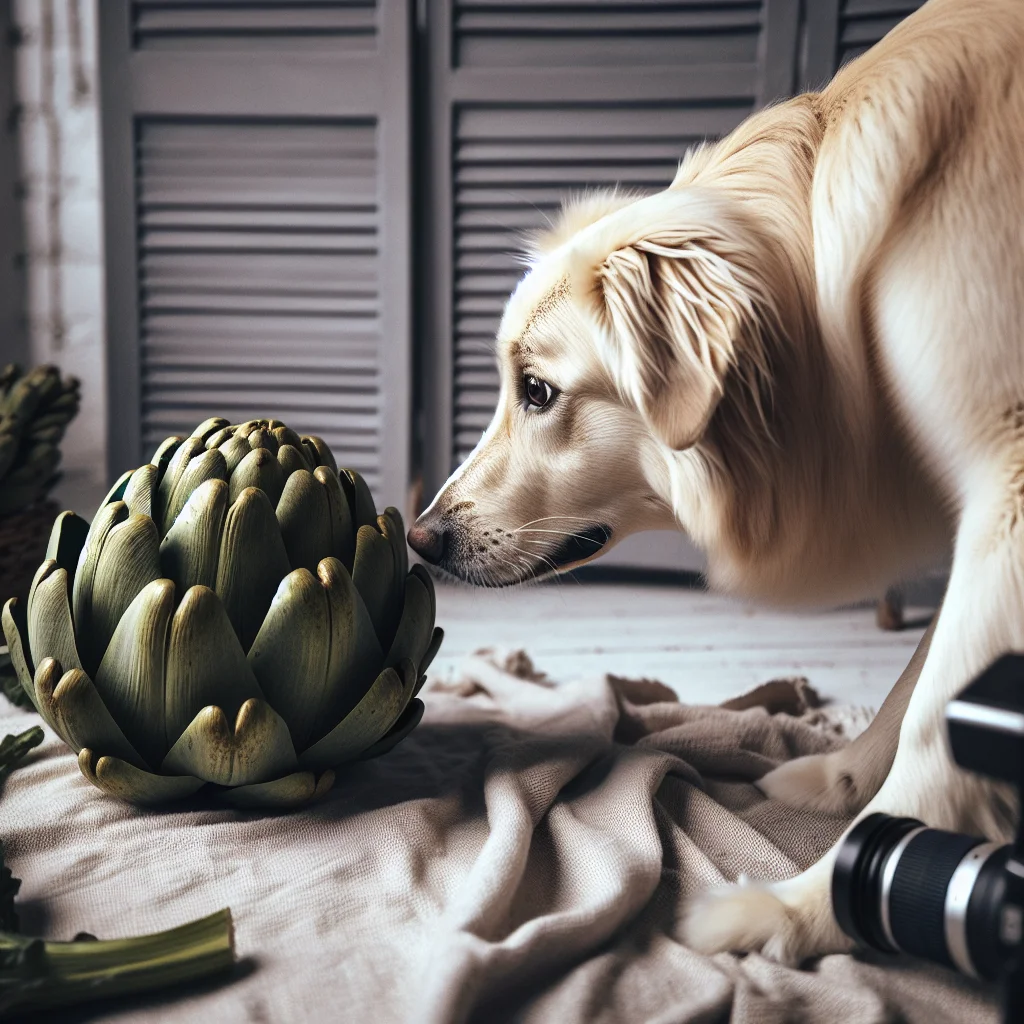
Safe with caution: Artichokes, when prepared correctly, can be a safe and nutritious treat for dogs. However, caution must be exercised due to their fibrous nature, which can pose digestive challenges. Artichokes contain cynarin and inulin, compounds beneficial to a dog's liver and digestive system. But the fibrous parts, such as the leaves and outer skin, can be difficult for dogs to digest and may lead to gastrointestinal upset if consumed in large quantities.
Can Dogs Safely Eat Artichokes?
Dogs can indeed enjoy artichokes in moderation. The key is to serve them cooked and in small, manageable pieces. Cooking softens the fibrous texture, making it easier for dogs to digest. Avoid adding seasonings or oils that could upset your dog's stomach. Start with a small portion to monitor how your dog reacts. If they enjoy it without any adverse effects, artichokes can be an occasional healthy addition to their diet.
What Are the Benefits of Artichokes for Dogs?
Artichokes are rich in antioxidants, fiber, and vitamins like C and K. These nutrients contribute to improved digestion, a stronger immune system, and better liver function. The natural fiber helps maintain regular bowel movements and can aid in weight management. However, always ensure that the portion size is appropriate for your dog’s size and dietary needs.
How Should Artichokes Be Prepared for Dogs?
To prepare artichokes for your dog, remove the tough outer leaves and trim the sharp tips. Boil or steam until they are tender. This method of preparation eliminates the risk of choking and reduces the potential for digestive issues. Once cooked, cut the artichoke into small, bite-sized pieces. Always serve plain without added butter, salt, or other seasonings that could harm your dog.
What Are the Risks of Feeding Artichokes to Dogs?
While artichokes are generally safe, there are risks if consumed improperly. The fibrous leaves and core can cause choking or digestive blockages, particularly in small breeds. Overconsumption may lead to stomach upset, vomiting, or diarrhea. Always monitor your dog after introducing a new food to ensure they do not have an adverse reaction.
Are There Any Dogs That Should Avoid Artichokes?
Dogs with pre-existing digestive issues or those prone to gastrointestinal distress should avoid artichokes. Additionally, small breeds or puppies may have difficulty processing the fibrous texture. If your dog has a history of food allergies or intolerances, consult your veterinarian before offering artichokes. Always prioritize your dog's health over dietary variety.
Toxicity Levels
| Type | Amount | Risk |
|---|---|---|
| Raw Artichokes | Whole | High |
| Cooked Artichokes | Small Pieces | Low |
| Canned Artichokes | Moderate | Moderate |
| Seasoned Artichokes | Any | High |
| Artichoke Leaves | Whole | High |
Symptoms to Watch For
- Vomiting
- Diarrhea
- Bloating
- Choking
- Lethargy
Frequently Asked Questions
Can puppies eat artichokes?
How often can I feed my dog artichokes?
What should I do if my dog eats a whole artichoke?
Are canned artichokes safe for dogs?
Can artichokes cause allergies in dogs?