
If you suspect your pet has ingested this food, do not wait for symptoms. Contact your veterinarian immediately.
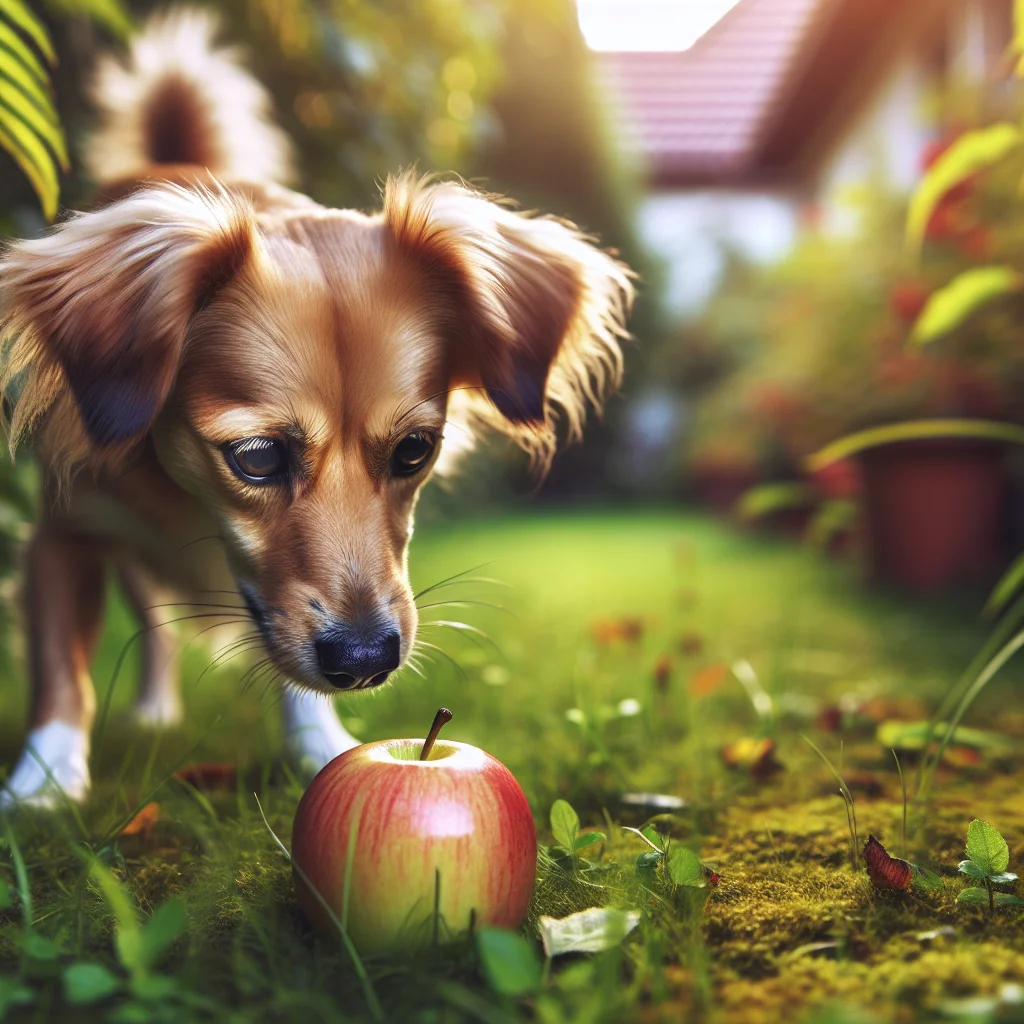
Apples are a common fruit found in many households, often praised for their nutritional benefits for humans. However, when it comes to our canine companions, the question arises: Can dogs eat apples safely? While apples are not inherently toxic to dogs, there are certain precautions that need to be considered to ensure your pet's safety. The flesh of the apple can be a healthy treat for dogs, providing vitamins A and C as well as dietary fiber. Nevertheless, the seeds and core pose potential risks due to the presence of cyanogenic compounds, which can be harmful if consumed in large quantities. In this article, we will explore the safety of feeding apples to dogs, the benefits and risks involved, and how to serve this fruit properly.
Are Apples Safe for Dogs to Eat?
Apples are generally safe for dogs to eat when prepared correctly. The flesh of the apple is not toxic and can be a delightful treat for your furry friend. It's important to remove the core and seeds, as these parts contain cyanide-releasing compounds that can be harmful to dogs if ingested in large amounts. A few seeds may not pose a significant risk, but it's best to avoid them altogether. Always wash the apple thoroughly and consider cutting it into small, manageable pieces to prevent choking, especially for small dogs.
What Nutrients Do Apples Provide for Dogs?
Apples are packed with nutrients that can be beneficial for dogs. They contain vitamin A, which supports skin and coat health, and vitamin C, which bolsters the immune system. Apples also provide dietary fiber, which aids in digestion and can help maintain a healthy weight by promoting a feeling of fullness. The antioxidants in apples can contribute to overall health by combating free radicals. However, apples should be given in moderation to balance their sugar content, which, if consumed excessively, can lead to weight gain or dental issues.
Can Apple Seeds Harm Dogs?
The seeds of an apple contain amygdalin, a compound that can release cyanide when digested. While a few seeds are unlikely to cause harm, larger quantities can lead to cyanide toxicity, which is dangerous and potentially fatal. Symptoms of cyanide poisoning include vomiting, difficulty breathing, and seizures. To prevent any risk, it's best to remove all seeds before offering apples to your dog. If you suspect your dog has ingested a significant number of seeds, contact your veterinarian immediately for advice.
How Should Apples Be Served to Dogs?
When serving apples to dogs, preparation is key. Start by washing the apple to remove any pesticides or chemicals. Cut the apple into small, bite-sized pieces, and be sure to remove the core and seeds. These steps minimize the risk of choking and exposure to cyanide. Apples can be served raw or cooked, depending on your dog's preference. For a fun twist, try mixing apple pieces with other dog-friendly fruits, or include them as a topping on your dog's regular food. Always introduce any new food gradually to monitor for adverse reactions.
What Are the Signs of Apple Toxicity in Dogs?
While rare, apple toxicity in dogs can occur if they consume large amounts of seeds or core. Signs of toxicity include vomiting, lethargy, confusion, and difficulty breathing. In severe cases, cyanide poisoning can lead to seizures and even death. If you notice any of these symptoms after your dog has consumed apples, seek veterinary attention immediately. It's crucial to act quickly, as cyanide poisoning can progress rapidly. By being cautious and removing the seeds and core, you can safely include apples in your dog's diet.
Toxicity Levels
| Type | Amount | Risk |
|---|---|---|
| Apple Flesh | Moderate | Low |
| Apple Seeds | High | High |
| Apple Core | High | Moderate |
| Apple Skin | Moderate | Low |
| Cooked Apple | Moderate | Low |
Symptoms to Watch For
- Vomiting
- Lethargy
- Confusion
- Difficulty Breathing
- Seizures
Frequently Asked Questions
Can dogs eat apple skin?
How much apple can I give my dog?
Are there any dogs that shouldn't eat apples?
Can puppies eat apples?
What should I do if my dog eats apple seeds?