
If you suspect your pet has ingested this food, do not wait for symptoms. Contact your veterinarian immediately.
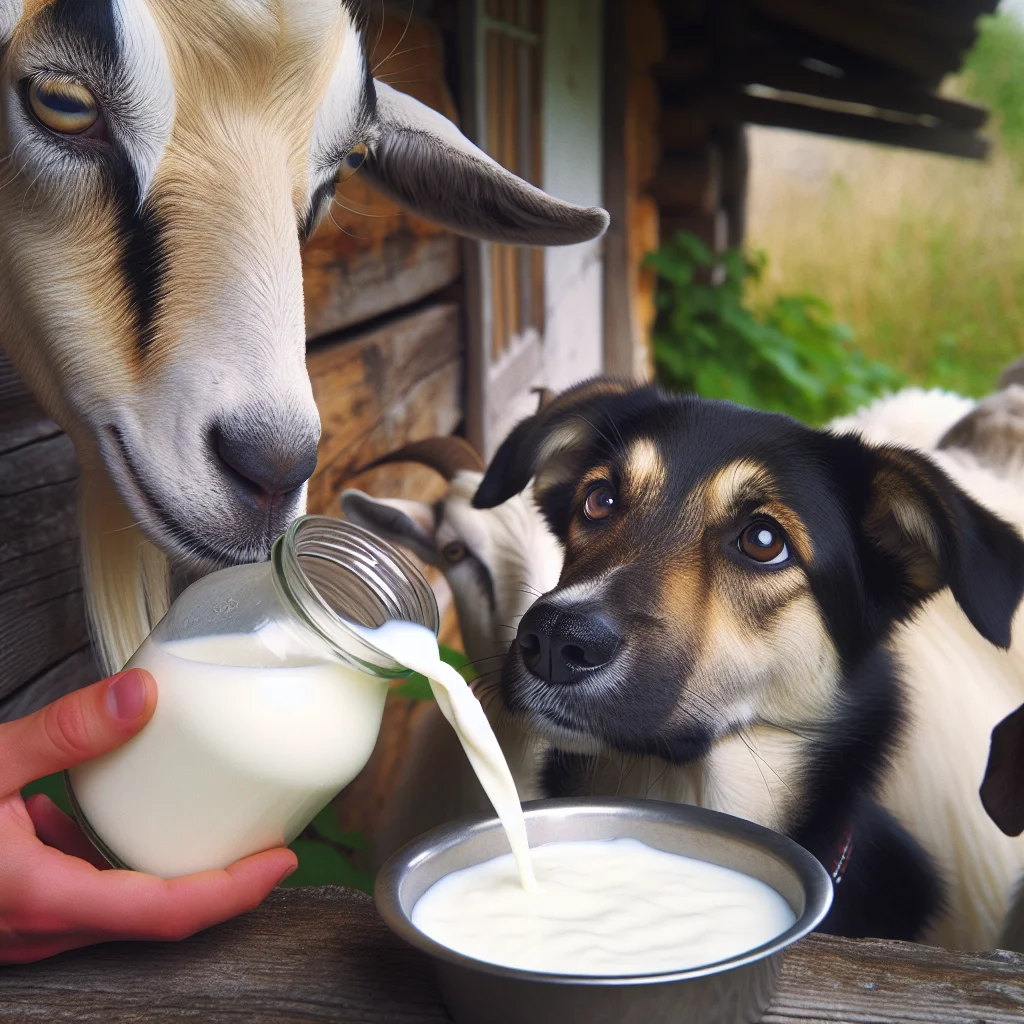
Goat milk is a cautionary treat for dogs. While not outright toxic, it contains lactose, which can cause digestive upset in some dogs. The primary issue arises from lactose intolerance, where a dog's digestive system lacks the lactase enzyme needed to break down lactose. This can lead to symptoms like diarrhea and gas. Therefore, while goat milk can be enjoyed by some dogs, it must be approached with care.
Is Goat Milk Safe for Dogs?
Goat milk can be safe for dogs, but it depends on the individual dog's tolerance to lactose. Some dogs digest goat milk better than cow's milk due to its slightly lower lactose content. However, it still presents a risk for dogs with lactose intolerance. The key is moderation and observation. Introduce goat milk slowly and in small quantities to see how your dog's digestive system reacts.
What Are the Symptoms of Goat Milk Intolerance?
If your dog is lactose intolerant, symptoms may appear within a few hours of ingestion. Common signs include diarrhea, gas, and bloating. Vomiting and abdominal pain may also occur. If you notice any of these symptoms after your dog consumes goat milk, it's best to avoid giving it in the future. Always monitor your dog's reaction to new foods closely.
How Much Goat Milk Can Dogs Consume?
For dogs that tolerate goat milk, it should still be given sparingly. A small bowl or a few tablespoons once in a while can be enough. Too much can overwhelm their digestive system, even in non-intolerant dogs. Always mix it with their regular food and never use it as a replacement for water or their primary diet.
Are There Benefits to Goat Milk for Dogs?
Goat milk can offer nutritional benefits like vitamins and minerals that are beneficial to dogs. It contains calcium, potassium, and vitamin A, which contribute to bone health and coat quality. However, these benefits are only significant if your dog can tolerate the milk without adverse effects. Consider consulting your veterinarian before adding it to your dog's diet.
What Alternatives Exist for Lactose-Intolerant Dogs?
If your dog is lactose intolerant, there are several alternatives. Lactose-free milk products specifically formulated for dogs are available. These provide similar nutritional benefits without the risk of digestive issues. Other options include dog-friendly yogurt or kefir, which contain probiotics that may aid digestion.
Toxicity Levels
| Type | Amount | Risk |
|---|---|---|
| Small Amount | 1-2 tablespoons | Low |
| Moderate Amount | 1/4 cup | Moderate |
| Large Amount | 1/2 cup or more | High |
| Daily Consumption | Any amount | High |
| Lactose Intolerant Dogs | Any amount | Very High |
Symptoms to Watch For
- Vomiting
- Diarrhea
- Gas
- Bloating
- Abdominal Pain
Frequently Asked Questions
Can puppies drink goat milk?
Is goat milk better than cow's milk for dogs?
Can goat milk cause allergies in dogs?
How can I test if my dog is lactose intolerant?
What should I do if my dog drinks a large amount of goat milk?