If you suspect your pet has ingested this food, do not wait for symptoms. Contact your veterinarian immediately.
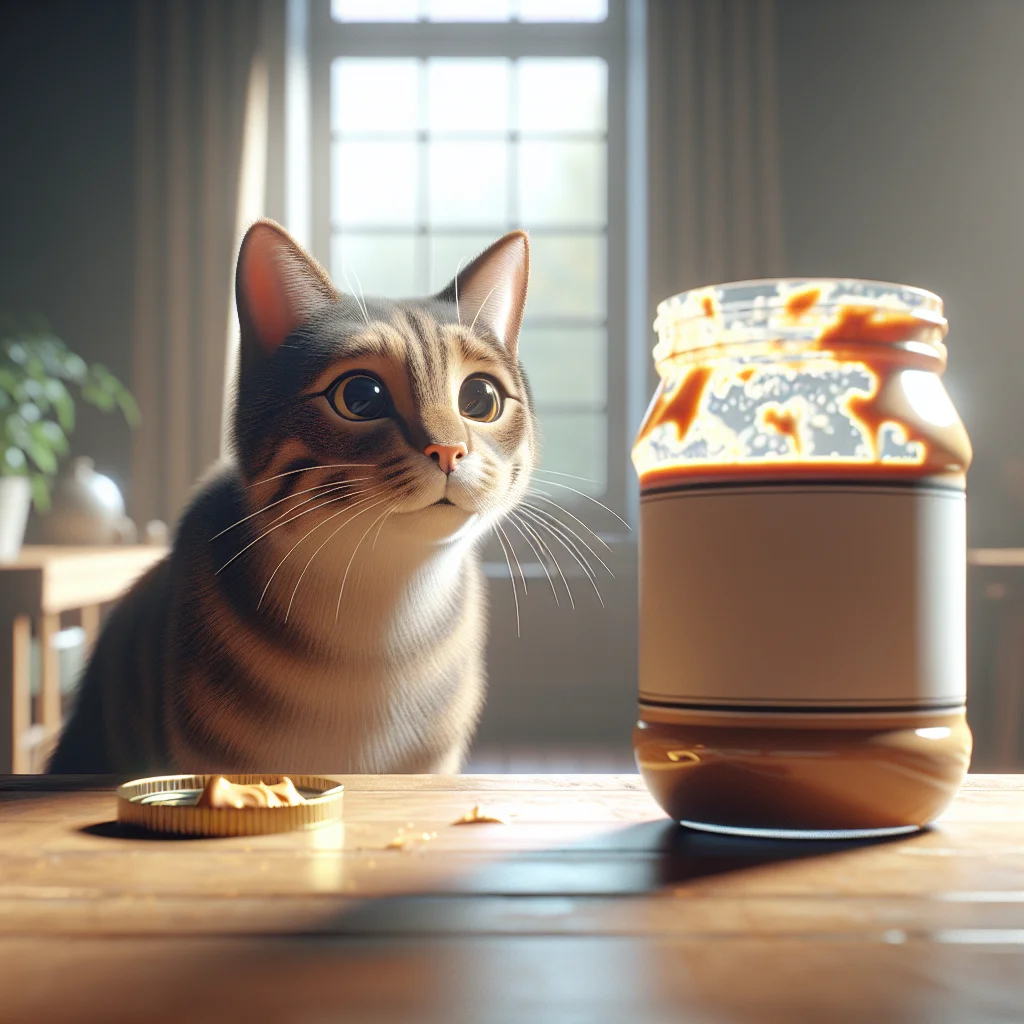
Peanut butter is not toxic to cats, but it should be given with caution. The creamy spread, while not inherently harmful, can pose health risks due to its high-fat content and potential for allergic reactions. Cats do not process fats as efficiently as humans do, which can lead to gastrointestinal upset or even pancreatitis if consumed in large quantities. Additionally, some brands may contain xylitol, a sugar substitute that is extremely toxic to cats.
What are the potential risks of feeding peanut butter to cats?
The primary risks of feeding peanut butter to cats include obesity, pancreatitis, and allergic reactions. Obesity can occur due to the high-calorie content, as cats require a diet low in fats. Pancreatitis, an inflammation of the pancreas, can develop if a cat consumes too much fat, leading to symptoms like vomiting, lethargy, and abdominal pain. Furthermore, some cats may have an allergic reaction to peanuts, resulting in itching, swelling, or respiratory issues.
How much peanut butter is safe for cats?
If you choose to give your cat peanut butter, moderation is key. A small amount, such as a fingertip's worth, is usually safe for most cats. It's crucial to monitor your cat after consumption for any adverse reactions. Always ensure the peanut butter does not contain xylitol, and consult your veterinarian if you're unsure about the appropriate quantity.
Are there any benefits of feeding peanut butter to cats?
While peanut butter is not a necessary part of a cat's diet, it can occasionally be used as a treat or to administer medication. Some cats enjoy the taste and texture, which can make it easier to give them pills. However, these benefits do not outweigh the potential risks, so it should only be used sparingly and under supervision.
Can peanut butter cause allergic reactions in cats?
Yes, some cats may experience allergic reactions to peanut butter. Signs of an allergic reaction include itching, swelling, vomiting, and difficulty breathing. If you notice any of these symptoms after your cat consumes peanut butter, contact your veterinarian immediately. Allergic reactions can vary in severity, so it's important to monitor your cat closely.
What should you do if your cat eats too much peanut butter?
If your cat consumes a large amount of peanut butter, monitor them for symptoms of gastrointestinal distress, such as vomiting or diarrhea. Contact your veterinarian for guidance on managing any adverse effects. They may recommend supportive care or specific treatments based on your cat's condition. Prevent future incidents by keeping peanut butter out of reach and considering alternative treats.
Toxicity Levels
| Type | Amount | Risk |
|---|---|---|
| Plain Peanut Butter | 1 tsp | Low |
| Peanut Butter with Xylitol | Any | High |
| Peanut Butter with Added Sugar | 1 tsp | Moderate |
| Natural Peanut Butter | 1 tsp | Low |
| Chunky Peanut Butter | 1 tsp | Moderate |
Symptoms to Watch For
- Vomiting
- Diarrhea
- Lethargy
- Swelling
- Difficulty Breathing
Frequently Asked Questions
Can peanut butter be toxic to cats?
How often can I give my cat peanut butter?
Are there any safe alternatives to peanut butter for cats?
Why do some cats like peanut butter?
What should I do if my cat has an allergic reaction to peanut butter?