
If you suspect your pet has ingested this food, do not wait for symptoms. Contact your veterinarian immediately.
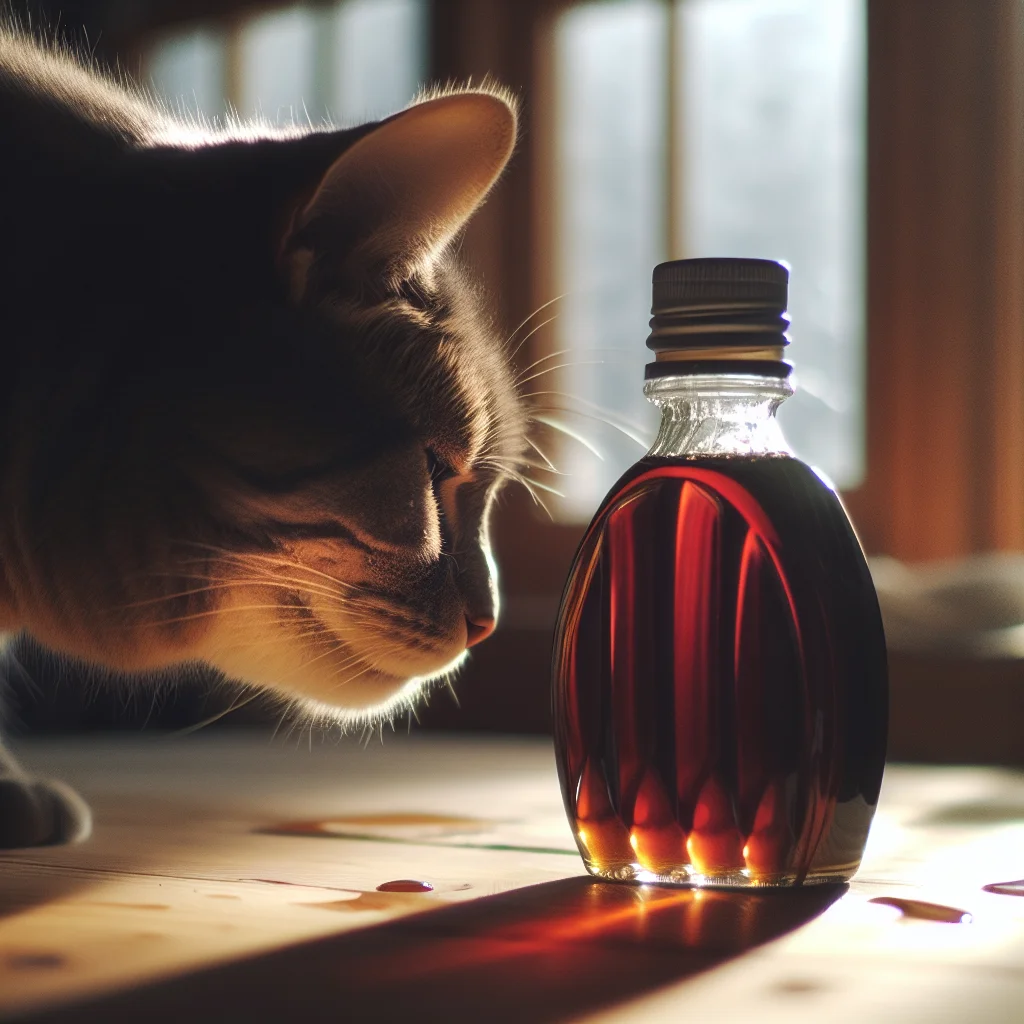
Maple syrup is not toxic to cats, but it is best approached with caution. Cats lack the necessary enzymes to break down the sugars in maple syrup, which can lead to digestive issues and potential health risks. This guide explores the concerns surrounding maple syrup consumption in cats.
What Happens if a Cat Consumes Maple Syrup?
When a cat ingests maple syrup, the high sugar content can overwhelm their system. Cats are obligate carnivores, meaning their digestive systems are not equipped to process sugars effectively. This can result in gastrointestinal distress such as vomiting or diarrhea. Additionally, excessive sugar intake can contribute to obesity and diabetes, conditions which are especially detrimental to feline health.
Are There Any Safe Amounts of Maple Syrup for Cats?
While a tiny lick might not cause immediate harm, there are no safe levels of maple syrup for cats. The risk of sugar-related health issues outweighs any potential benefits. It's always best to err on the side of caution and keep sugary substances like maple syrup out of your cat's diet.
Can Maple Syrup Cause Long-term Health Issues in Cats?
Prolonged exposure to sugary foods like maple syrup can lead to chronic health problems in cats. Consistent sugar intake can cause weight gain, leading to obesity. Furthermore, it can trigger insulin resistance, paving the way for diabetes, which requires lifelong management. Dental health can also be compromised, as sugar contributes to tooth decay and gum disease.
How Can I Tell If My Cat Has Eaten Maple Syrup?
If you suspect your cat has indulged in maple syrup, observe for signs of digestive distress such as vomiting, diarrhea, or lethargy. These symptoms indicate that the syrup is upsetting their stomach. Monitor their behavior closely and consult a veterinarian if symptoms persist or worsen.
What Should I Do If My Cat Eats Maple Syrup?
In the event your cat consumes maple syrup, assess the quantity ingested. For small amounts, monitoring at home is often sufficient, but for larger quantities, or if symptoms arise, seek veterinary advice promptly. Offering plenty of fresh water can help dilute the sugar's effects, but professional guidance is recommended to ensure your cat's safety.
Toxicity Levels
| Type | Amount | Risk |
|---|---|---|
| Small amount | 1 tsp or less | Low risk |
| Moderate amount | 1-2 tbsp | Moderate risk |
| Large amount | More than 2 tbsp | High risk |
| Frequent consumption | Regular intake | Chronic health issues |
| In conjunction with other sugars | Combined sugary foods | Increased health risks |
Symptoms to Watch For
- Vomiting
- Diarrhea
- Lethargy
- Loss of Appetite
- Dental Issues
Frequently Asked Questions
Is maple syrup toxic to cats?
Can cats have a small amount of maple syrup?
What are the signs of sugar overdose in cats?
Why is sugar bad for cats?
How can I prevent my cat from eating maple syrup?