
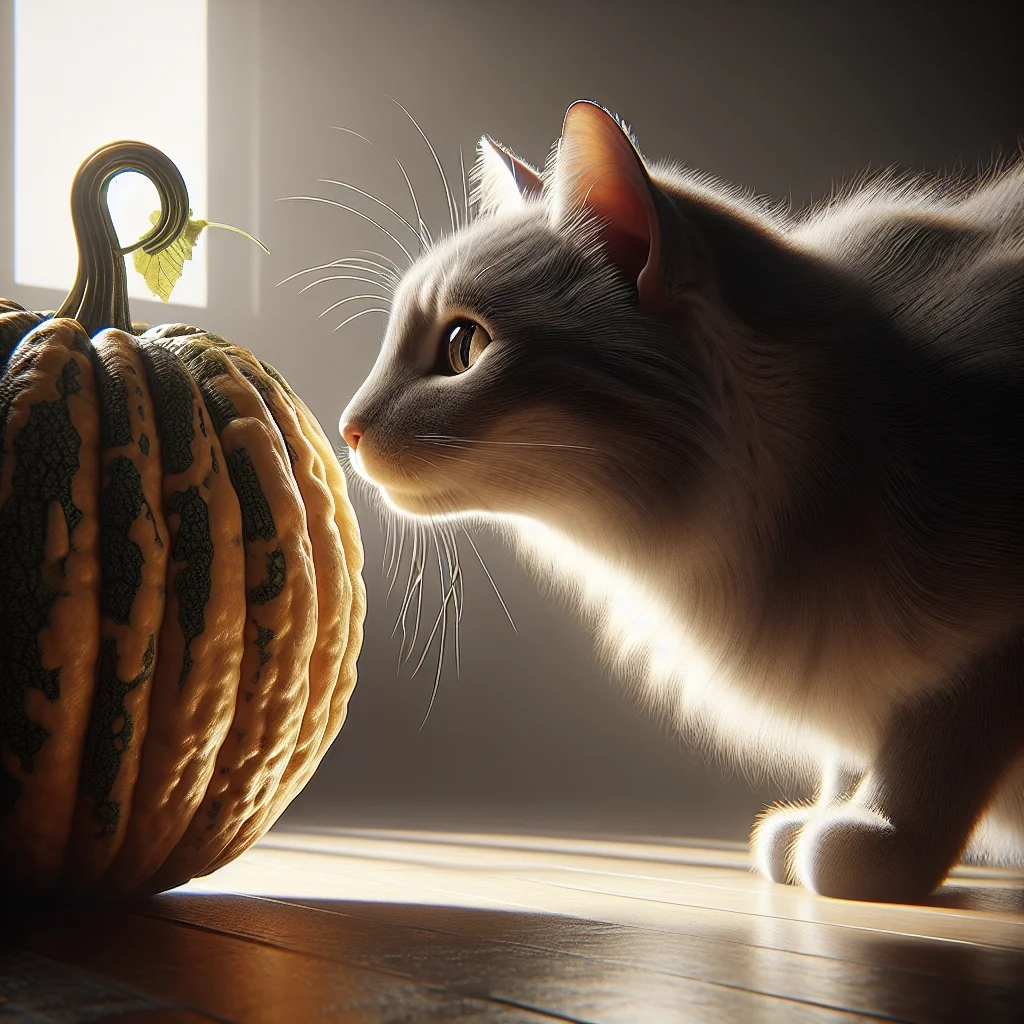
Safe verdict: Hubbard Squash is safe for cats to consume in moderation. Unlike some foods that contain harmful toxins for animals, Hubbard Squash is free from substances that are toxic to cats. This squash, when properly prepared, can be a healthy addition to your cat's diet due to its rich nutrient profile. It contains vitamins and minerals that can support your cat's overall health, such as vitamin A, vitamin C, and magnesium. However, it's essential to offer it in small amounts and as an occasional treat, not as a staple of their diet.
Can Cats Digest Hubbard Squash Easily?
Cats, being obligate carnivores, have a digestive system primarily suited for processing meat. This means that while they can digest small amounts of fruits and vegetables like Hubbard Squash, it's not as efficient as their digestion of animal proteins. When introducing Hubbard Squash to your cat's diet, it's crucial to cook it thoroughly to soften the fibers, making it easier for your cat to digest. Raw squash can be hard on their digestive system, potentially leading to digestive upset or blockages.
What are the Health Benefits of Hubbard Squash for Cats?
Hubbard Squash is packed with nutrients that can be beneficial to cats when given in moderation. It contains beta-carotene, a precursor to vitamin A, which is crucial for maintaining healthy eyesight. The fiber content in squash can aid in digestion and improve bowel regularity, potentially preventing constipation. Additionally, its antioxidant properties can help in reducing inflammation and boosting the immune system, contributing to a healthier life for your feline companion.
How Should Hubbard Squash Be Prepared for Cats?
Preparation is key to ensuring that Hubbard Squash is safe and beneficial for your cat. Start by thoroughly washing the squash to remove any pesticides or dirt. Peel the skin, as it can be tough and difficult for cats to chew and digest. Cut the squash into small, manageable pieces and cook it until it's soft. Avoid adding any seasonings, butter, or oils, as these can be harmful to your cat. Allow the cooked squash to cool before serving it to your pet.
How Much Hubbard Squash Can Cats Eat Safely?
Moderation is crucial when feeding Hubbard Squash to your cat. It's advisable to introduce any new food slowly and in small quantities to monitor for any adverse reactions. A teaspoon of cooked squash once or twice a week is generally safe for most cats. Observe your cat for any signs of digestive upset, such as vomiting or diarrhea, and discontinue use if any negative symptoms occur. Always consult with a veterinarian if you have concerns about your cat's diet.
Could Hubbard Squash Cause Allergic Reactions in Cats?
While rare, some cats may have allergic reactions to new foods, including Hubbard Squash. Symptoms of an allergic reaction can include itching, swelling, or gastrointestinal upset. If you notice any unusual behavior or signs of discomfort after your cat consumes Hubbard Squash, it's best to consult with your veterinarian. Monitoring your cat closely after introducing any new food will help ensure their safety and well-being.
Toxicity Levels
| Type | Amount | Risk |
|---|---|---|
| Raw Squash | 1 teaspoon | Moderate |
| Cooked Squash | 1 teaspoon | Low |
| Seasoned Squash | Any | High |
| Squash with Butter | Any | High |
| Cooked Squash | 1 tablespoon | Moderate |
| Squash Skin | Any | Moderate |
Symptoms to Watch For
- Vomiting
- Diarrhea
- Itching
- Swelling
- Lethargy
Frequently Asked Questions
Is Hubbard Squash toxic to cats?
Can kittens eat Hubbard Squash?
What nutrients are in Hubbard Squash that benefit cats?
Can Hubbard Squash cause digestive issues in cats?
How should I introduce Hubbard Squash to my cat's diet?