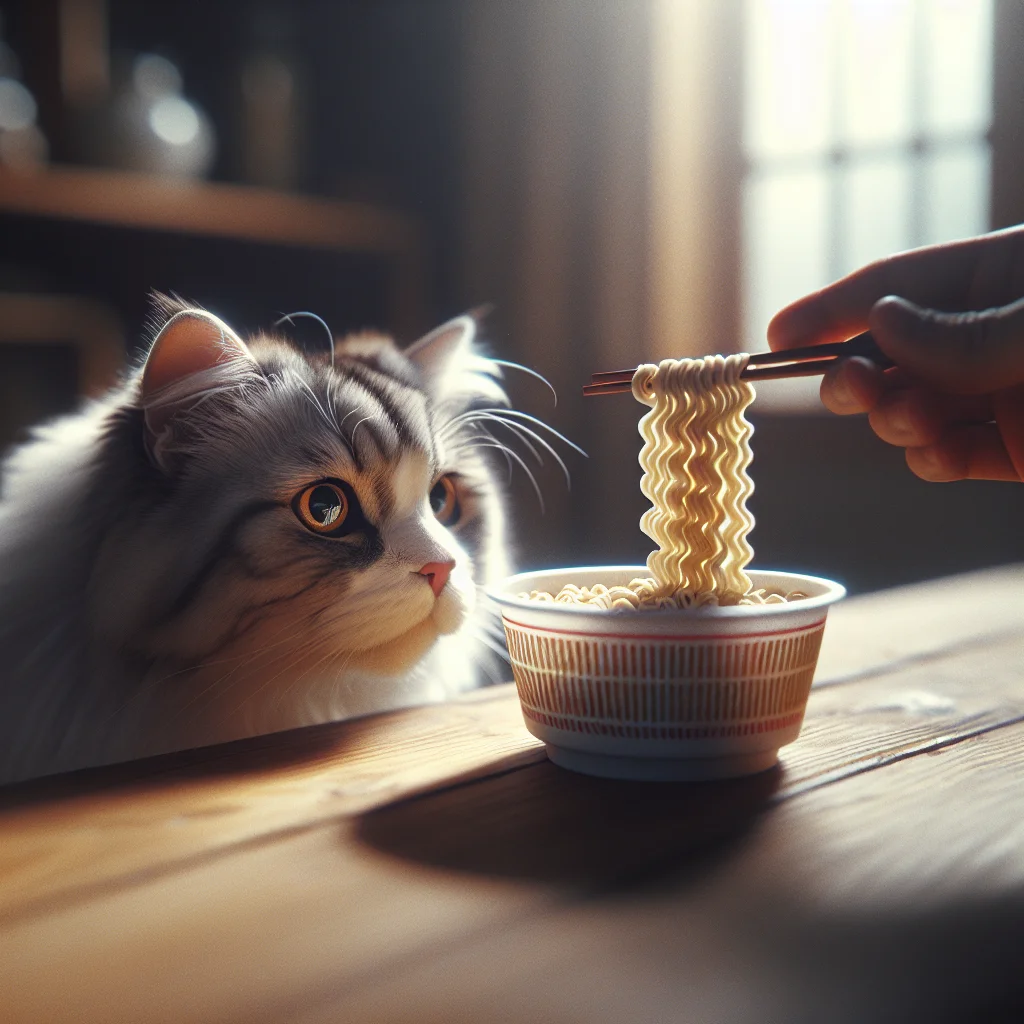
If you suspect your pet has ingested this food, do not wait for symptoms. Contact your veterinarian immediately.
Ramen noodles are not toxic to cats, but caution is advised due to their high sodium content and additives. These ingredients can lead to digestive upset or more severe health issues if consumed in large quantities. The high salt levels can disrupt a cat’s delicate electrolyte balance, which can be dangerous, especially for cats with pre-existing health conditions.
Can Cats Digest Ramen Noodles Safely?
Cats are obligate carnivores, meaning their digestive systems are designed to process meat rather than carbohydrates like those found in ramen noodles. While a small piece of plain noodle is unlikely to cause harm, the spices and additives often paired with ramen can lead to gastrointestinal distress. If your cat accidentally ingests a small amount of plain noodle, monitor them for any signs of discomfort, but avoid offering ramen as part of their regular diet.
What Ingredients in Ramen Noodles Are Harmful to Cats?
The primary concern with ramen noodles is their sodium content. Cats require a much lower salt intake than humans, and excessive sodium can lead to symptoms such as vomiting, diarrhea, and lethargy. Additionally, flavor packets often contain garlic and onion powder, both of which are toxic to cats and can cause damage to red blood cells, leading to anemia.
Are There Long-term Effects of Eating Ramen Noodles for Cats?
Regular consumption of ramen noodles can lead to potential long-term health issues in cats. Over time, high sodium intake can contribute to kidney disease, heart problems, and hypertension. The preservatives and artificial flavors in ramen can also accumulate in a cat's system, affecting their overall health and well-being. It's crucial to provide a balanced diet tailored to your cat's nutritional needs to prevent these issues.
What Should You Do If Your Cat Eats Ramen Noodles?
If your cat accidentally consumes ramen noodles, observe them for any adverse reactions such as vomiting or diarrhea. Ensure they have access to fresh water to help flush out excess sodium. If symptoms persist, consult with your veterinarian promptly. They may recommend tests to assess your cat's health and provide guidance on any necessary treatments.
How Can You Prevent Your Cat from Eating Ramen Noodles?
To prevent accidental ingestion, keep ramen noodles and other human foods out of reach. Store them in sealed containers or cabinets that cats cannot access. Be cautious during meal preparation and avoid leaving food unattended. Providing your cat with a variety of approved treats and engaging toys can also divert their attention from human food.
Toxicity Levels
| Type | Amount | Risk |
|---|---|---|
| Plain Noodle | Small Piece | Low |
| Seasoned Noodle | Small Piece | Moderate |
| Ramen Broth | Small Sip | High |
| Seasoning Packet | Entire Packet | Severe |
| Repeated Consumption | Regularly | Chronic |
Symptoms to Watch For
- Vomiting
- Diarrhea
- Lethargy
- Excessive Thirst
- Seizures
Frequently Asked Questions
Is it safe for cats to eat plain ramen noodles?
What should I do if my cat eats ramen seasoning?
How can I tell if my cat has sodium poisoning?
Are there any safe human foods for cats?
Can cats eat any type of noodles?