If you suspect your pet has ingested this food, do not wait for symptoms. Contact your veterinarian immediately.
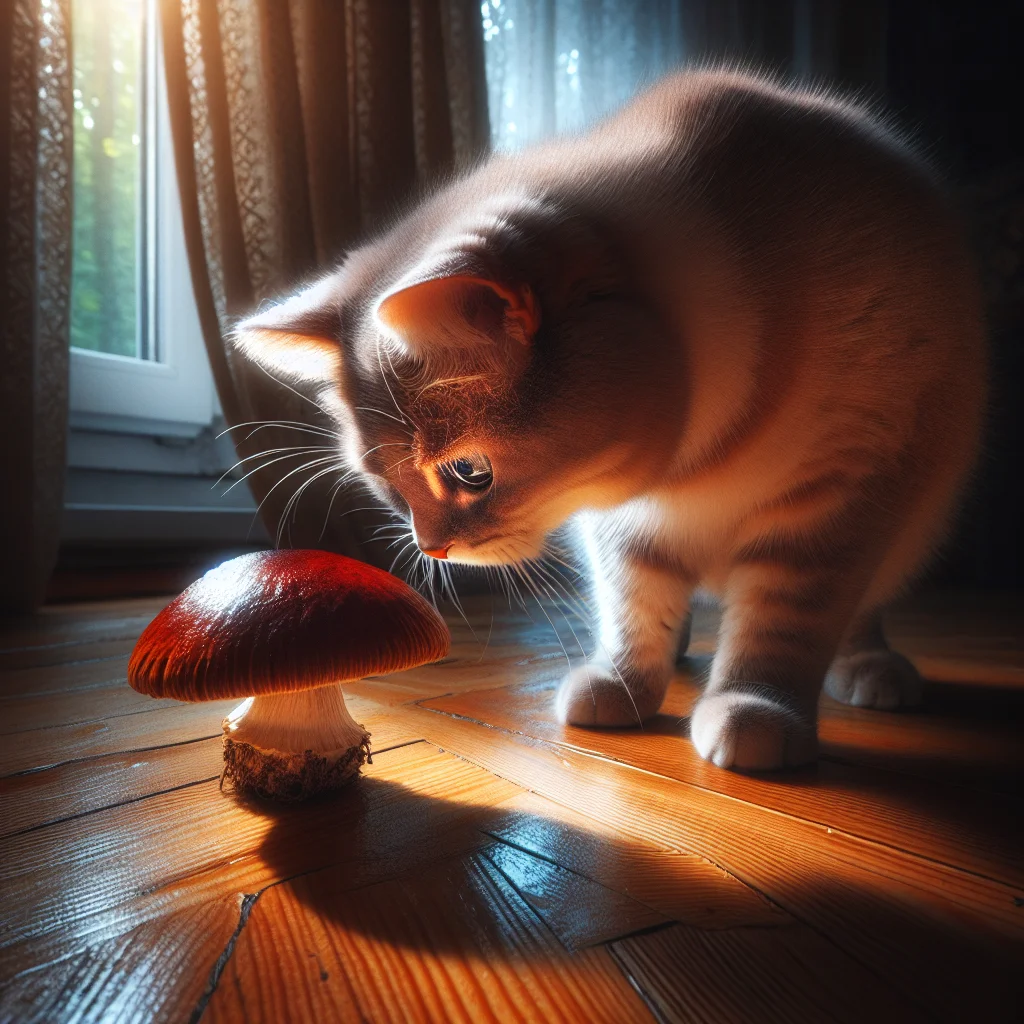
Mushrooms are toxic to cats. The ingestion of certain types of mushrooms can lead to severe health issues in felines due to toxins like amatoxins and muscarine. These compounds can cause liver failure, neurological damage, or even death if consumed in significant amounts. Understanding the implications of mushroom toxicity is critical for any cat owner.
What Happens If a Cat Eats Mushrooms?
When a cat consumes mushrooms, the potential for toxicity largely depends on the type of mushroom ingested. Wild mushrooms, in particular, are a concern due to their high toxicity levels. The toxins present in certain mushrooms can lead to various clinical signs such as vomiting, diarrhea, and lethargy. In severe cases, ingestion can result in liver damage or neurological symptoms. If you suspect your cat has eaten a mushroom, immediate veterinary consultation is essential to mitigate the risks.
How Can I Tell If My Cat Has Mushroom Poisoning?
Recognizing mushroom poisoning in cats involves observing specific symptoms that may arise shortly after ingestion. Look for signs such as vomiting, diarrhea, excessive drooling, and uncoordinated movements. In some cases, seizures or jaundice may develop, indicating liver involvement. Due to the rapid onset of symptoms, seeking prompt veterinary attention is critical. Early intervention can significantly improve outcomes.
What Types of Mushrooms Are Most Dangerous to Cats?
Certain mushrooms are particularly hazardous to cats, including Amanita species like the Death Cap and Destroying Angel. These mushrooms contain potent toxins that can rapidly affect a cat's health. In addition to these, other wild mushrooms with similar toxic profiles pose a risk. Identifying mushrooms can be challenging, so it's best to prevent any mushroom consumption by your cat entirely.
Is There Any Safe Amount of Mushrooms for Cats?
For cats, there is no safe amount of mushroom consumption. Even small quantities of toxic mushrooms can lead to severe health complications. Given the difficulty in distinguishing between safe and toxic varieties, it is advisable to keep all mushrooms out of reach of pets. Providing a safe environment is crucial to preventing accidental ingestion.
How Can I Prevent My Cat from Eating Mushrooms?
Preventing mushroom ingestion requires vigilance, particularly if your cat has access to outdoor areas where mushrooms might grow. Regularly inspect your yard and promptly remove any mushrooms. Indoors, ensure that any bought mushrooms are stored securely. Training your cat to avoid unfamiliar items is also beneficial. Awareness and proactive measures are key to safeguarding your cat's health.
Toxicity Levels
| Type | Amount | Risk |
|---|---|---|
| Amanita (Death Cap) | Small amount | High |
| False Morels | Moderate amount | High |
| Jack O'Lantern | Any amount | High |
| Inky Cap | Any amount | Moderate |
| Common Field Mushroom | Large amount | Low |
Symptoms to Watch For
- Vomiting
- Diarrhea
- Excessive Drooling
- Uncoordinated Movements
- Seizures
Frequently Asked Questions
Are all mushrooms toxic to cats?
What should I do if my cat eats a mushroom?
Can indoor cats be at risk of mushroom poisoning?
Do cats naturally avoid mushrooms?
Can cooking mushrooms make them safe for cats?