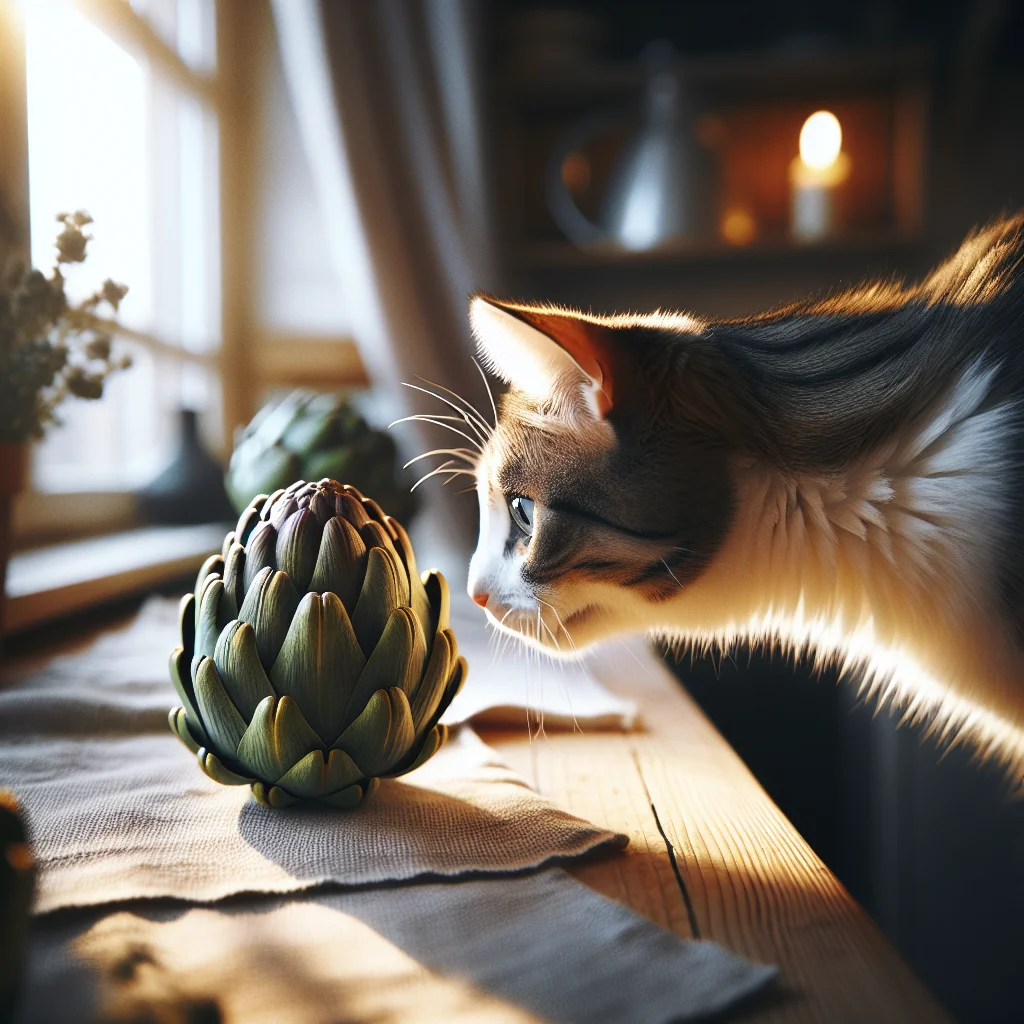
If you suspect your pet has ingested this food, do not wait for symptoms. Contact your veterinarian immediately.
Jerusalem artichokes are not outright toxic to cats, but caution is advised as they can cause digestive disturbances. The primary concern is inulin, a type of fiber found in high concentrations in Jerusalem artichokes, which cats struggle to digest due to their unique carnivorous digestive systems.
What Happens if a Cat Eats a Jerusalem Artichoke?
If your feline companion nibbles on a Jerusalem artichoke, you may notice signs of gastrointestinal discomfort. Cats lack the necessary enzymes to break down inulin, leading to symptoms like bloating, gas, and diarrhea. While not life-threatening, these symptoms can cause considerable distress to your cat.
How Much Jerusalem Artichoke is Unsafe for Cats?
Even small amounts of Jerusalem artichoke can upset a cat's stomach due to their inability to process inulin. If ingested, it's crucial to monitor your cat for any signs of digestive issues. Keep the amount to an absolute minimum, and consult with your veterinarian if your cat shows any adverse symptoms.
Are There Safe Alternatives to Jerusalem Artichoke for Cats?
Cats thrive on a diet rich in animal proteins and fats. Instead of risky root vegetables like Jerusalem artichokes, offer your feline friend cat-safe vegetables in moderation, such as cooked carrots or peas. These alternatives are easier for them to digest and provide some nutritional benefits.
How Can I Tell If My Cat Has Eaten Jerusalem Artichoke?
Look for signs of gastrointestinal upset, including vomiting, diarrhea, and unusual lethargy. Cats may also exhibit changes in their appetite or become more vocal if they experience discomfort. If you suspect your cat has ingested Jerusalem artichoke, observe them closely and contact your veterinarian if symptoms persist.
When Should I Contact a Vet?
If your cat exhibits severe symptoms such as persistent vomiting, diarrhea, or signs of dehydration after consuming Jerusalem artichoke, seek veterinary advice immediately. While mild symptoms may resolve on their own, a veterinarian can provide guidance to ensure your cat's health is not compromised.
Toxicity Levels
| Type | Amount | Risk |
|---|---|---|
| Small piece | 5-10g | Minimal |
| Medium piece | 10-20g | Moderate |
| Large piece | 20-30g | High |
| Frequent consumption | Repeated small amounts | Chronic digestive issues |
| Accidental garden ingestion | Varies | Potentially severe |
Symptoms to Watch For
- Vomiting
- Diarrhea
- Lethargy
- Bloating
- Loss of Appetite
Frequently Asked Questions
Is inulin harmful to cats?
Can Jerusalem artichokes cause long-term health issues in cats?
Are any parts of the Jerusalem artichoke plant safe for cats?
What should I do if my cat eats Jerusalem artichoke?
How can I prevent my cat from eating Jerusalem artichokes?