
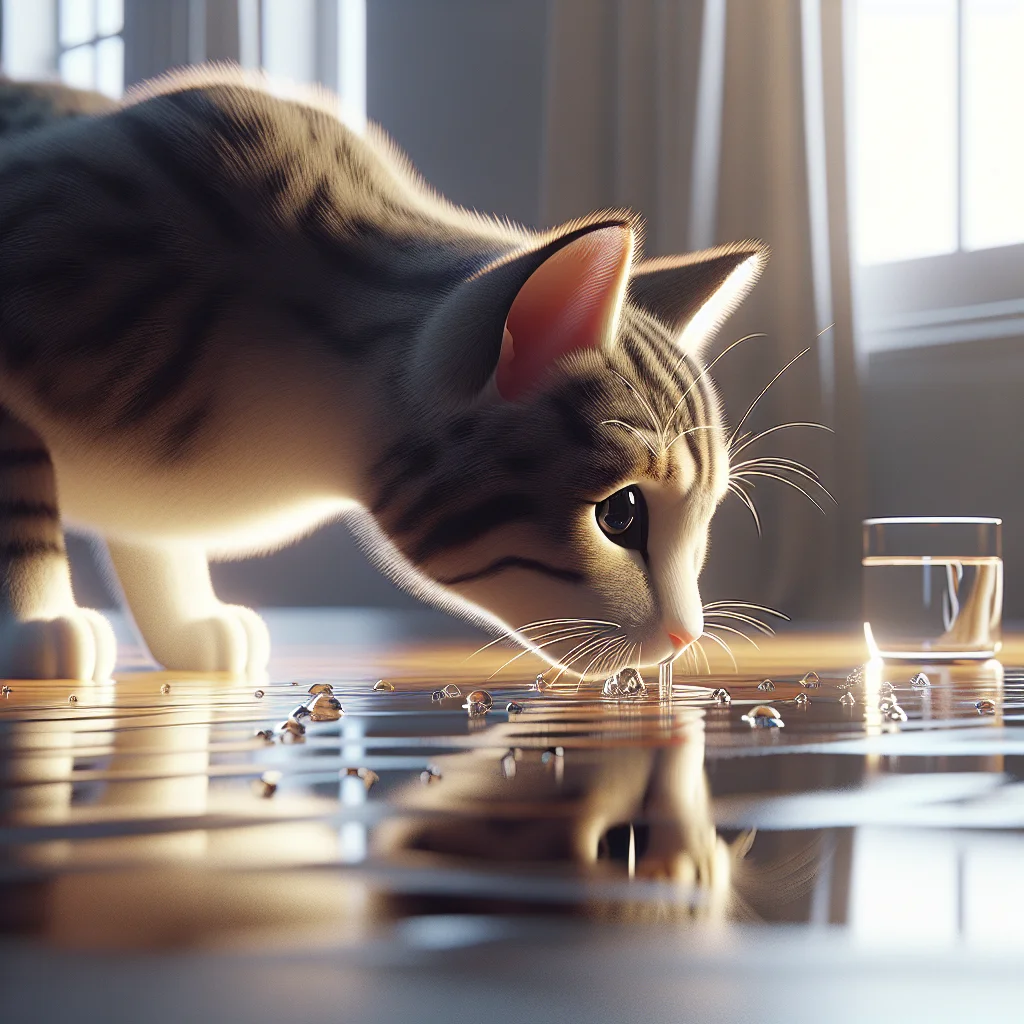
Safe. Water is not only safe for cats, but it is also crucial for their survival and overall health. Cats, like all living organisms, depend on water for hydration, which is essential for maintaining physiological functions. Unlike certain foods or substances that contain harmful toxins for cats, water is free from these dangers and is indispensable for keeping your feline friend healthy and hydrated.
How Much Water Should a Cat Drink Daily?
Cats typically require about 3.5 to 4.5 ounces of water per 5 pounds of body weight daily. This can vary depending on the cat's diet; cats on wet food may consume less water directly since wet food contains a significant amount of moisture. It's important to provide fresh, clean water daily and monitor your cat's drinking habits to ensure they are adequately hydrated.
What Are the Signs of Dehydration in Cats?
Dehydration in cats can manifest as lethargy, sunken eyes, dry gums, and a lack of skin elasticity. You can check for dehydration by gently pinching the skin on your cat's back; if it doesn't snap back quickly, your cat might be dehydrated. Always encourage your cat to drink enough water and consult a veterinarian if you notice signs of dehydration.
Why Do Some Cats Avoid Drinking Water?
Some cats may avoid drinking water if their bowl is unclean or if the water is stale. Cats prefer fresh, clean water, so ensure their bowl is washed regularly and refilled with fresh water. Additionally, some cats may prefer running water, which can be encouraged by providing a cat water fountain.
Can Cats Drink Tap Water?
In most cases, tap water is safe for cats as long as it is safe for human consumption. However, if your tap water has a strong chlorine taste or other contaminants, consider using filtered water for your cat. Always observe your cat's response to the water you provide and make adjustments if necessary.
What if My Cat Won't Drink Water?
If your cat refuses to drink water, try offering it in different ways, such as adding water to their dry food, using a cat water fountain, or providing wet food to increase hydration. If your cat continues to avoid drinking water, consult a veterinarian to rule out any underlying health issues.
Toxicity Levels
| Type | Amount | Risk |
|---|---|---|
| Tap Water | Normal Consumption | Safe |
| Filtered Water | Normal Consumption | Safe |
| Distilled Water | Normal Consumption | Safe |
| Flavored Water | Varies | Potential Risk |
| Stale Water | Prolonged Consumption | Health Risk |
Symptoms to Watch For
- Vomiting
- Lethargy
- Dry Gums
- Sunken Eyes
- Skin Tenting
Frequently Asked Questions
Is distilled water safe for cats?
How can I encourage my cat to drink more water?
Can cats drink flavored water?
Is it normal for cats to drink a lot of water?
Can I add supplements to my cat's water?