
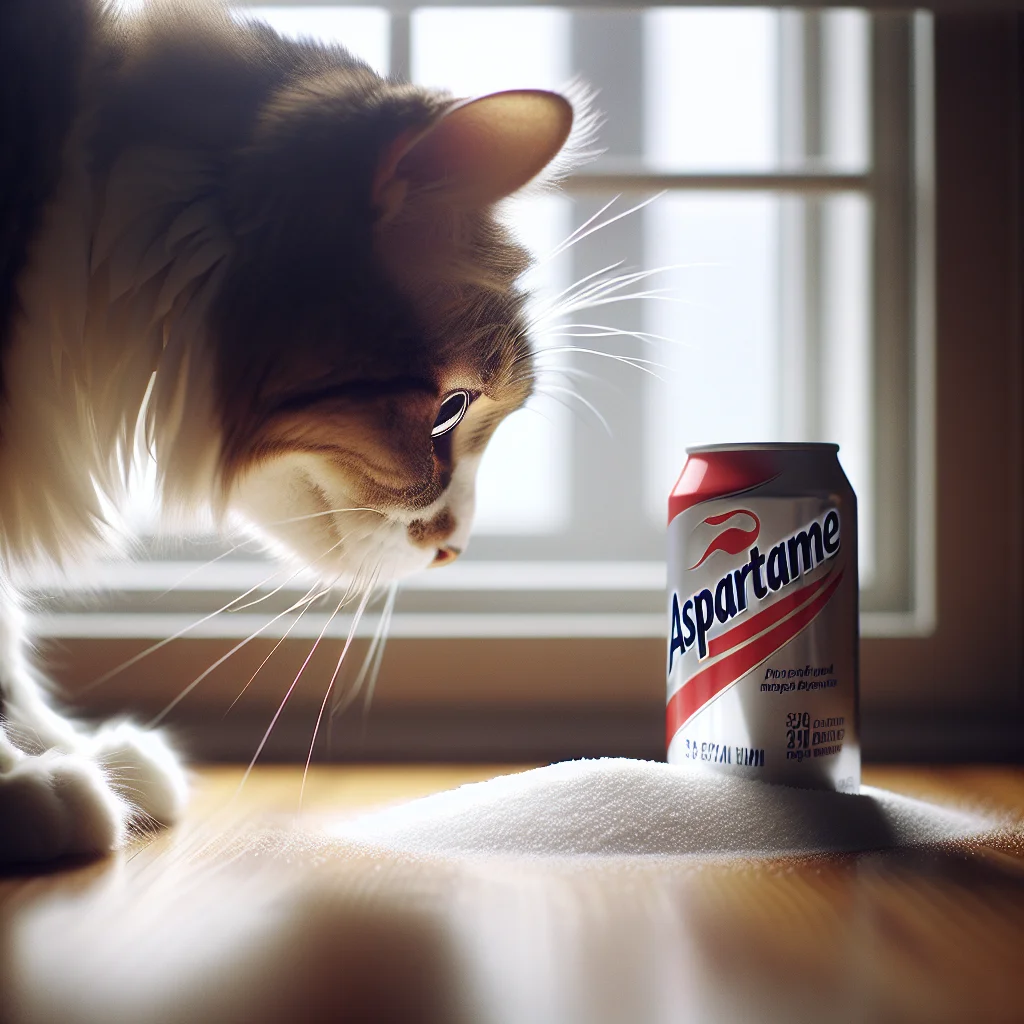
If you suspect your pet has ingested this food, do not wait for symptoms. Contact your veterinarian immediately.
Aspartame is not directly toxic to cats; however, caution is advised when it comes to their consumption of this artificial sweetener. Aspartame, a widely-used non-saccharide sweetener, is found in many sugar-free products. While it does not pose a fatal threat, its ingestion can lead to undesirable effects. Cats lack the necessary enzymes to metabolize aspartame efficiently, which can result in gastrointestinal distress and other health issues. Understanding how aspartame affects feline physiology is essential for safeguarding your pet's well-being.
What are the consequences of cats ingesting Aspartame?
Cats that consume aspartame might experience mild to moderate gastrointestinal upset. Symptoms may include vomiting and diarrhea, as cats' digestive systems are not equipped to handle artificial sweeteners effectively. While aspartame does not cause the severe blood sugar drops seen with xylitol, it can still lead to discomfort and should be avoided. Moreover, habitual exposure to aspartame could potentially lead to long-term health issues. It is vital to monitor your cat's behavior and health if they have ingested products containing aspartame.
Can Aspartame cause long-term health issues in cats?
While a single exposure to aspartame is unlikely to cause significant harm, repeated ingestion could potentially lead to chronic health problems. The exact long-term effects of aspartame on cats have not been extensively studied, but concerns have been raised about the impact on kidney function and overall metabolic health. Given that cats are obligate carnivores, their bodies are not adapted to process artificial sweeteners, which could lead to an accumulation of harmful byproducts over time. Pet owners should remain vigilant and avoid offering foods containing aspartame to their feline companions.
How can you tell if your cat has ingested Aspartame?
Identifying whether your cat has consumed aspartame can be challenging, especially if the source is unknown. Signs of aspartame ingestion include gastrointestinal symptoms such as vomiting and diarrhea, as well as changes in appetite or lethargy. Behavioral changes, such as increased irritability or discomfort, may also indicate exposure to this sweetener. If you suspect your cat has ingested aspartame, it's crucial to consult with a veterinarian for guidance and potential treatment options.
What should you do if your cat consumes Aspartame?
If your cat has consumed aspartame, immediate veterinary consultation is recommended. While aspartame is not as dangerous as other artificial sweeteners like xylitol, professional advice can help mitigate any potential risks. The veterinarian may suggest monitoring your cat for signs of gastrointestinal distress or other adverse reactions. In some cases, supportive care, such as ensuring adequate hydration, may be necessary. Preventative measures, such as keeping sugar-free products out of reach, can help avoid future incidents.
Are there safer alternatives to Aspartame for cats?
Cats do not require artificial sweeteners in their diet, as they are obligate carnivores and derive their nutritional needs from animal proteins. Offering a balanced, species-appropriate diet is the best way to ensure your cat's health and well-being. If you're looking to provide a treat, opt for natural, cat-safe options such as cooked chicken or commercially-available cat treats. These alternatives are more aligned with your cat's dietary requirements and pose fewer health risks than products containing aspartame or other artificial sweeteners.
Toxicity Levels
| Type | Amount | Risk |
|---|---|---|
| Aspartame | Small | Gastrointestinal upset |
| Aspartame | Moderate | Moderate Health Risk |
| Aspartame | Large | Severe Discomfort |
| Xylitol | Any | Severe Toxicity |
| Chocolate | Any | Severe Toxicity |
Symptoms to Watch For
- Vomiting
- Diarrhea
- Lethargy
- Change in Appetite
- Increased Irritability
Frequently Asked Questions
Is Aspartame lethal to cats?
Can cats taste sweet flavors like Aspartame?
How much Aspartame is too much for a cat?
What should I do if my cat shows symptoms after ingesting Aspartame?
Why is Aspartame included in some pet products?